What happened
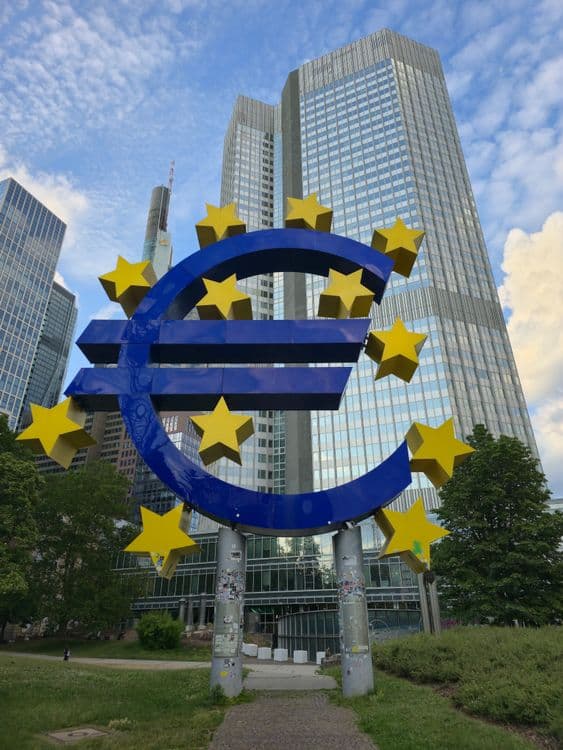
The European Central Bank meets on Thursday, 23 July 2026, with its rate decision due at 13:45 CET and a press conference by President Christine Lagarde at 14:30. Financial markets currently price roughly 88% odds that the Bank leaves its key deposit rate unchanged at 2.25%.
That caution follows an unusual move last month. In June the ECB raised its three key rates by 25 basis points, meaning a quarter of a percentage point, lifting the deposit rate to 2.25%. It was the first increase since 2023, driven by inflation pressure from the war in the Middle East.
Now a fresh flare-up has muddied the picture. Renewed strikes between the United States and Iran have pushed oil prices back up, and investors have been repricing their bets for the July meeting. Brent crude was trading near 88 dollars a barrel on Monday, keeping the threat of higher inflation firmly on the table.
Why it matters
The ECB sets the price of borrowing for the 20 countries that use the euro, home to more than 340 million people. Its decisions ripple into mortgage rates, business loans and savings returns across the eurozone, and they move the value of the euro against the pound and the dollar.
A July meeting is what economists call a non-projection meeting, meaning the Bank does not publish fresh economic forecasts. Without new numbers to justify a change, the bar for another rate rise is higher, which is why most investors expect a hold even as oil climbs.
For Britain, the ECB matters indirectly but powerfully. The eurozone is the UK largest trading partner, so borrowing costs and growth on the continent feed into demand for British exports, the strength of the pound and the prices holidaymakers pay abroad.
Explained simply
Think of the ECB as the thermostat for the eurozone economy. Higher oil is like a sudden heatwave, tempting the Bank to crank up rates even though it only just nudged the dial.
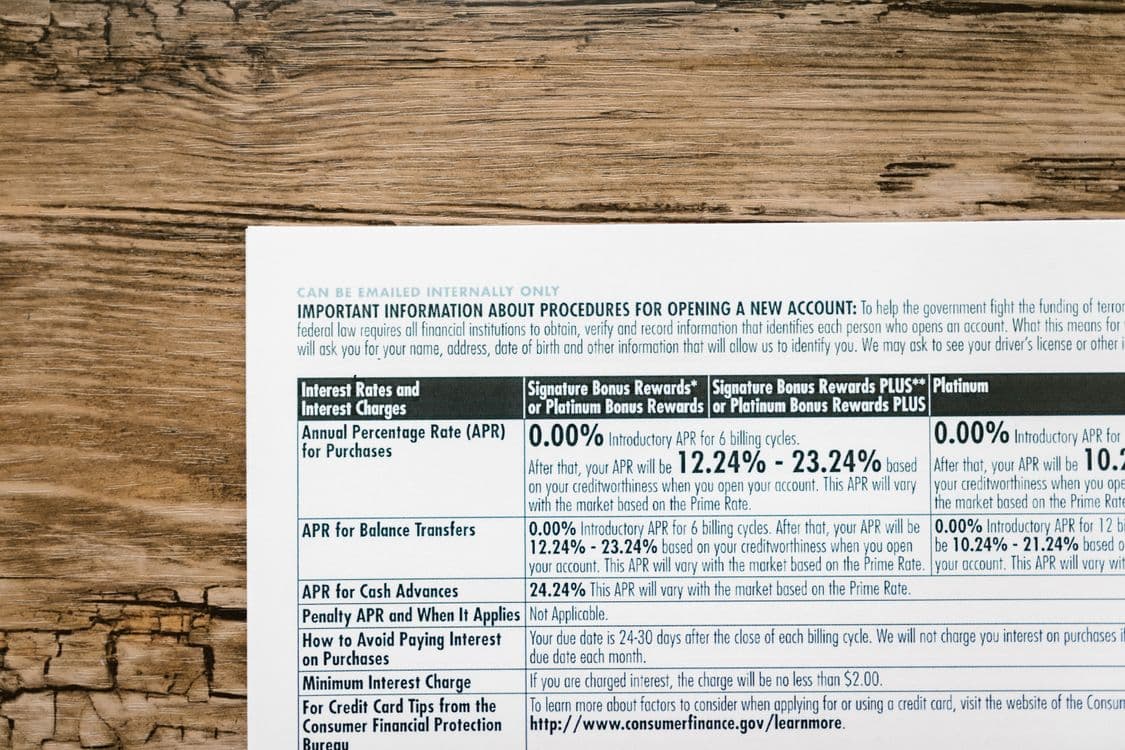
Central banks raise interest rates to cool inflation, the rate at which prices rise. Higher rates make borrowing dearer and saving more rewarding, which slows spending and takes the heat out of prices. The trade-off is that they also slow the economy and can cost jobs.
Oil is the complication. When crude gets more expensive, it lifts the cost of petrol, transport and manufacturing, pushing inflation up across the board. That is exactly the kind of shock that tempts a central bank to keep tightening, even when growth is fragile.
The ECB is caught between the two. Raise too aggressively and it chokes off a weak recovery. Sit still and it risks letting an oil-driven inflation spike take hold. On Thursday, with no fresh forecasts to lean on, Lagarde is expected to wait and watch rather than act.
What it means for you
If you have savings in euros or an account with a European bank, a hold at 2.25% means deposit returns stay broadly where they are, with the best eurozone easy-access accounts paying a little above 2%. A surprise hike would nudge those higher over the following months.
For anyone with a eurozone mortgage, particularly a tracker linked to ECB rates, a hold is welcome news, keeping monthly payments steady. British homeowners are not directly affected, but the gap between UK and eurozone rates helps drive the pound to euro exchange rate.
That exchange rate is the most tangible impact for most UK readers. If the ECB holds while the Bank of England is expected to cut, the euro could firm against the pound, making a summer holiday in Spain, France or Italy slightly more expensive. Locking in holiday money before Thursday is one option to consider.
The bigger picture
After two years of cutting, the ECB switching to rate rises marked a turning point. The June hike showed how quickly a geopolitical shock can rewrite the script, forcing central banks to fight inflation even as growth slows, a bind known as stagflation risk.
The key thing to watch is oil. If Brent keeps climbing towards the 90-dollar highs seen earlier this month, pressure for further ECB tightening will build into the autumn. If the conflict calms and crude retreats, the Bank can return to worrying about weak growth instead.