What happened
Tesla and Alphabet, the parent of Google, headline a packed week of corporate results as the second-quarter earnings season kicks into gear. Both are members of the Magnificent Seven, the group of giant US technology firms that has powered the market rally of the past two years.
Investors will comb the numbers for insight into AI monetisation, meaning whether the billions spent on artificial intelligence are turning into real revenue, along with progress on autonomous driving, digital advertising, cloud computing and capital spending plans.
They are far from alone. The week also brings results from technology names ServiceNow, IBM, Intel and Texas Instruments, telecom giants AT&T, Verizon and T-Mobile, and financial heavyweights including Blackstone, American Express and Charles Schwab.
Why it matters
These are not just American stories. Tesla and Alphabet are among the most widely held shares on the planet, sitting inside global index funds, US trackers and the default pension funds of millions of British savers. Their results move portfolios far beyond Wall Street.
The market has priced in a lot of good news. Analysts expect S&P 500 earnings to have grown around 26% year on year in the second quarter, up from an earlier estimate of 23.7%. When expectations are that high, even solid results can disappoint if they fail to beat the forecasts.
Above all, this week is a referendum on the AI trade. For two years investors have funded enormous spending on chips and data centres on the promise of future profit. Now they want evidence. Strong numbers would validate the rally, while weak guidance could trigger a sharp rethink.
Explained simply
Think of AI spending as planting an expensive orchard. Investors have watched the trees go in for two years, and this week they finally want to see some fruit.
Companies like Alphabet have poured money into building the computing power behind artificial intelligence. That spending shows up as a cost today, in the hope of bigger revenues tomorrow, from smarter search, cloud services and advertising.
The question investors keep asking is when the payoff arrives. It is one thing to spend billions on AI, and another to charge customers enough to make it profitable. Earnings season is where that gap gets tested, in hard numbers rather than promises.
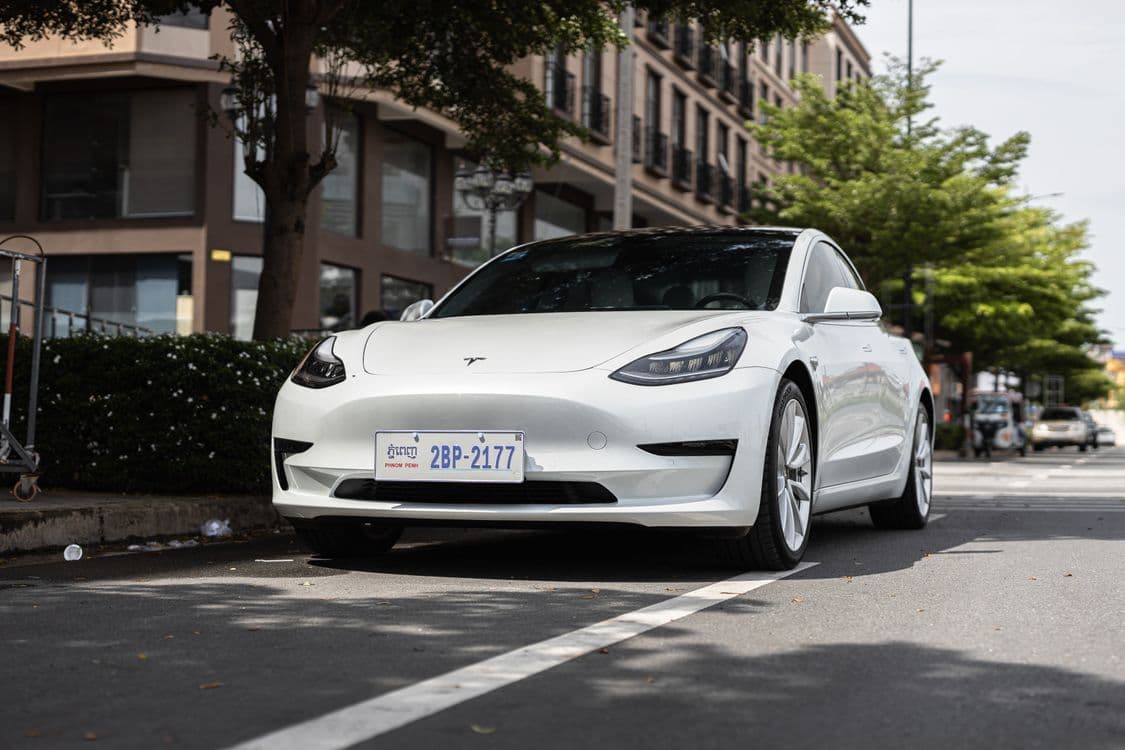
Tesla adds another angle, with its bet on self-driving cars and robotics. If management can show that autonomous driving is moving from demo to dollars, it strengthens the whole AI story. If not, the doubts that rattled markets last week will only grow louder.
What it means for you
If you own a global tracker fund or a US index fund, you almost certainly hold both Tesla and Alphabet, often with the Magnificent Seven making up a fifth or more of the fund. Their results this week could move your holding by a percentage point or two in either direction.
The same is true for most workplace pensions. The default growth funds that hold the majority of UK retirement savings are heavily weighted towards these US giants, so a strong or weak earnings week feeds directly into your pension balance, even if you never buy a single share yourself.
For long-term investors the guidance matters most. Do not react to one quarter of numbers. Instead, watch what these companies say about future AI spending and returns, because that shapes the multi-year outlook for the funds in your ISA and pension far more than a single earnings beat or miss.
The bigger picture
The concentration of the market in a few AI winners has made earnings season more high-stakes than at any time in recent memory. A handful of companies now carry the mood of the entire index, so their quarterly updates set the tone for global markets.
The key thing to watch beyond the headline profits is capital spending guidance. If the giants signal they will keep pouring money into AI, it reassures the chipmakers that supply their hardware. If they hint at restraint, the ripple effects would reach every corner of the technology sector.