What happened
UK inflation slowed to 2.6 percent in the year to June, down from 2.8 percent in May and below the 2.7 percent that most economists had pencilled in. The figure, measured by the Consumer Prices Index, tracks how fast the prices of everyday goods and services are rising.
The surprise cooling offered a moment of relief for households and for the Bank of England, which has spent two years trying to wrestle inflation back towards its 2 percent target. It is the closest the headline rate has come to that goal in some time.
Yet the good news came with a warning. July data will capture a 13.5 percent increase in the household energy price cap, the ceiling on what suppliers can charge for a unit of gas and electricity, which is likely to push inflation higher again in the months ahead.
Britain heavy reliance on imported oil and natural gas leaves it especially exposed to the recent climb in global energy prices linked to tensions in the Middle East.
Why it matters
Inflation is the rate at which the pound in your pocket loses its buying power. When it runs at 2.6 percent, a basket of shopping that cost 100 pounds a year ago now costs 102.60 pounds. The lower the rate, the more slowly your money is eroded.
The figure feeds directly into the Bank of England next interest rate decision on 30 July. Cooler inflation gives the Bank more room to hold rates steady rather than raise them, which in turn affects the cost of mortgages, loans and the returns on savings for millions of people.
It also matters for wages and pensions. Many pay rises, benefits and the state pension are linked to inflation measures, so the pace of price rises shapes how far incomes stretch.
For the government, inflation near target is politically valuable, because the cost of living has been one of the defining pressures on household budgets in recent years.
Explained simply
Think of inflation as a slow leak in a tyre. At 2.6 percent the air is escaping gently, so your money stays firm for a good while. When it hits double digits, the tyre goes flat fast and everything you buy suddenly costs noticeably more.
Inflation does not mean prices are falling. A rate of 2.6 percent still means prices are going up, just more slowly than before. For prices to actually drop you would need negative inflation, known as deflation, which brings its own problems.
The Bank of England aims for 2 percent because a little inflation is healthy: it encourages people to spend and invest rather than hoard cash, and it gives the economy room to grow. Too much, and household budgets buckle; too little, and the economy can stall.
The reason July looks worrying is the energy price cap. When the cap rises 13.5 percent, the cost of heating and lighting a home jumps, and because energy is something everyone buys, that increase pushes the whole inflation figure up with it.
What it means for you
For savers, a 2.6 percent inflation rate means the best easy-access accounts, some still paying around 4.5 percent, comfortably beat inflation, so cash held there is growing in real terms. Money left in a high-street current account paying nothing, however, is quietly losing value.
For mortgage holders, the cooler figure supports the widespread expectation that the Bank of England will hold Bank Rate at 3.75 percent on 30 July rather than raise it. That is reassuring for anyone on a tracker or coming to the end of a fixed deal, though at least one rise is still expected before the year is out.
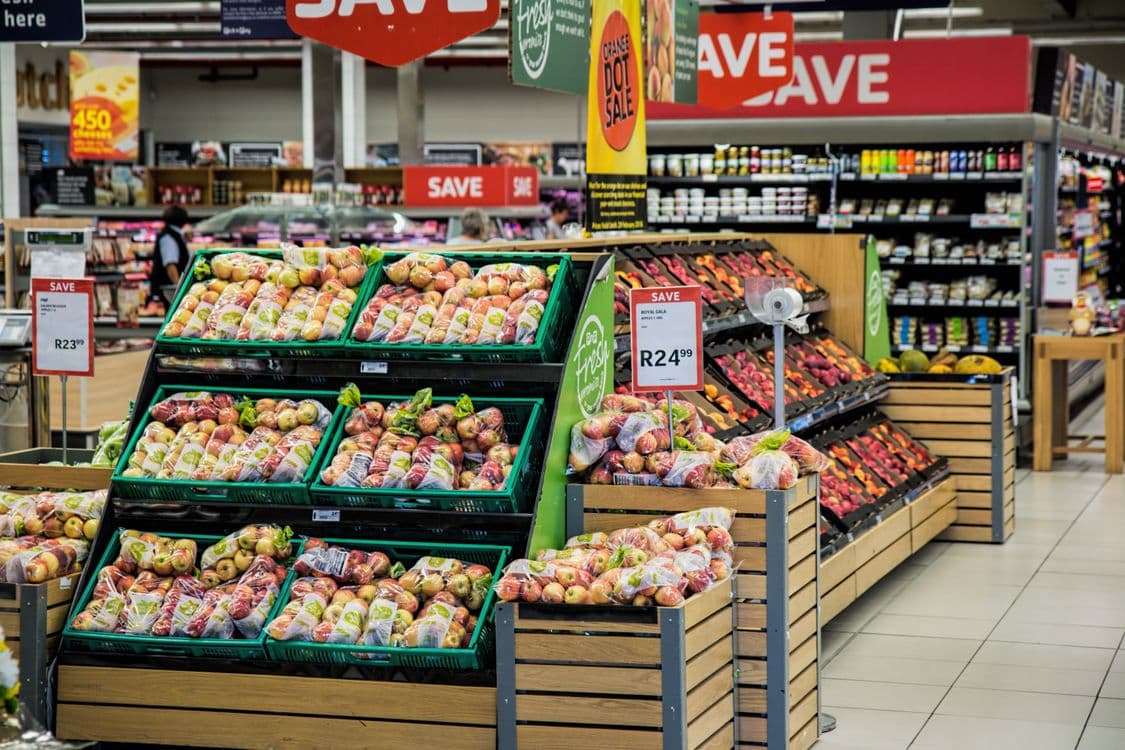
For everyday shoppers, slowing inflation means prices at the supermarket till are rising more gently than a year ago, even if they are not falling. A weekly shop that jumped painfully in recent years is now creeping up more slowly.
The looming energy increase is the one to plan for. Households on variable tariffs should brace for higher bills from the summer, and fixing an energy deal or trimming usage now could soften the blow.
The bigger picture
The June figure fits a broader pattern of inflation gradually cooling from the extreme highs of recent years, but the journey is far from smooth. Energy prices remain the wild card, capable of reversing progress in a single month.
The Bank of England now faces a delicate balancing act. Hold rates too high for too long and it risks choking growth; cut too soon and it could let inflation reignite just as energy costs climb. Markets expect it to sit tight on 30 July and keep at least one rate rise in reserve for later in the year.
For readers, the number to watch is next month reading, which will show how much of the energy cap increase feeds through. If inflation pushes back above 3 percent, talk of rate cuts will fade fast.