What happened
UK inflation eased to 2.6 percent in the 12 months to June, down from 2.8 percent in May and the slowest pace of price rises since March last year, according to the Office for National Statistics. The figure came in below the 2.7 percent that economists had expected, the third month running that price growth has undershot forecasts.
The main driver was cheaper motor fuel, alongside a softer rise in food prices. Falling petrol costs at the pump gave households a welcome, if possibly brief, reprieve after a long stretch of squeezed budgets.
Economists cautioned that the relief may not last. July data will capture a 13.5 percent increase in the household energy price cap, and renewed conflict in the Middle East has pushed oil and gas prices higher, both of which could push inflation back up later in the year.
Why it matters
Inflation measures how fast the prices of everyday things — food, fuel, rent, clothes — are rising. When it falls, it means your money is losing value more slowly, so each pound in your pocket stretches a little further than it did.
A reading of 2.6 percent is close to the Bank of England target of 2 percent, which matters because the Bank uses inflation to decide interest rates. Softer inflation gives the Bank more room to consider cutting rates, which would lower borrowing costs.
For the millions of households that have endured several years of rising bills, the slowdown is a genuine, if modest, easing of pressure. But because the fall was driven largely by volatile fuel prices, it does not yet prove that underlying inflation is fully under control.
Explained simply
Think of inflation as the speed at which prices climb an escalator. At 2.6 percent the escalator is still going up — just more slowly than the 2.8 percent pace of last month.
Crucially, falling inflation does not mean prices are falling. It means they are rising less quickly. The petrol that cost more last year still costs roughly the same or a bit more today, just not as much more as before.
The reason fuel matters so much is that it feeds into almost everything. When it costs less to move goods by lorry, the price of food, furniture and parcels tends to rise more slowly too. That is why a drop in petrol prices can drag the whole inflation figure down.
The worry is that this works both ways. If Middle East tensions keep pushing oil higher, the same mechanism runs in reverse and inflation climbs again — which is exactly what the July energy cap rise threatens to do.
What it means for you
For savers, cooling inflation is a quiet win. If your easy-access savings account pays around 4.5 percent and inflation is 2.6 percent, your money is now growing in real terms — its buying power is actually increasing rather than being eroded.
For borrowers, the bigger prize is what softer inflation does to interest rates. If it nudges the Bank of England toward cuts, someone remortgaging a 200,000 pound loan could eventually save tens of pounds a month once fixed rates drift lower.
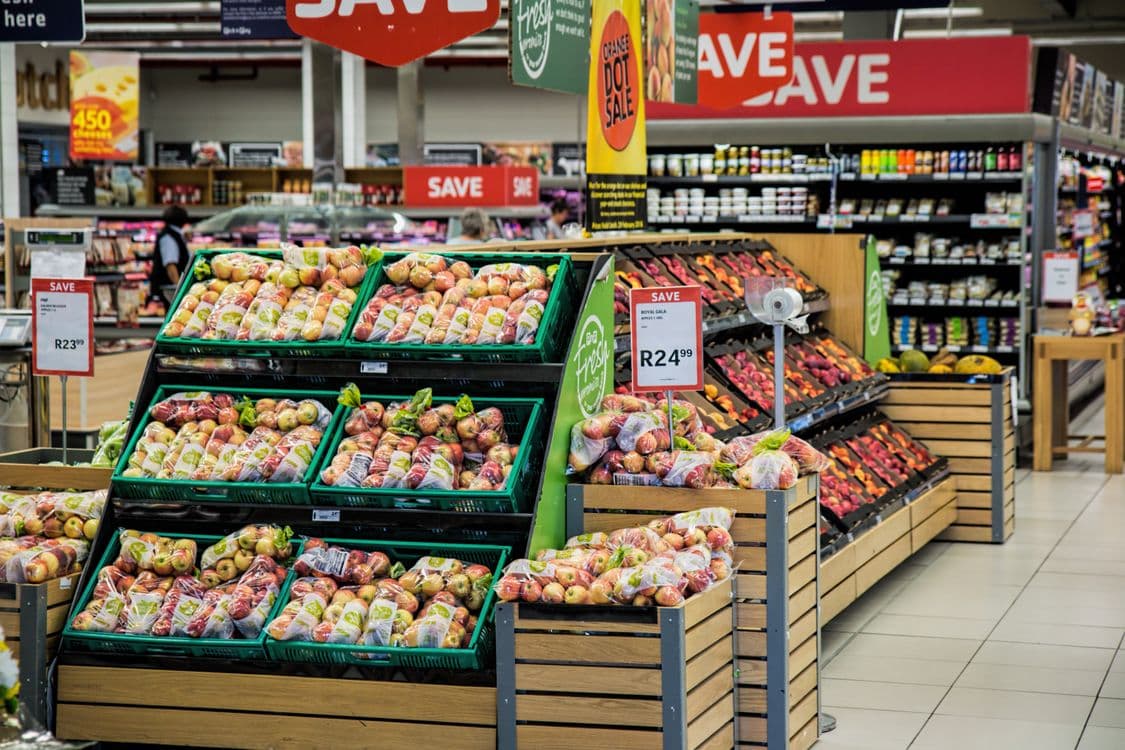
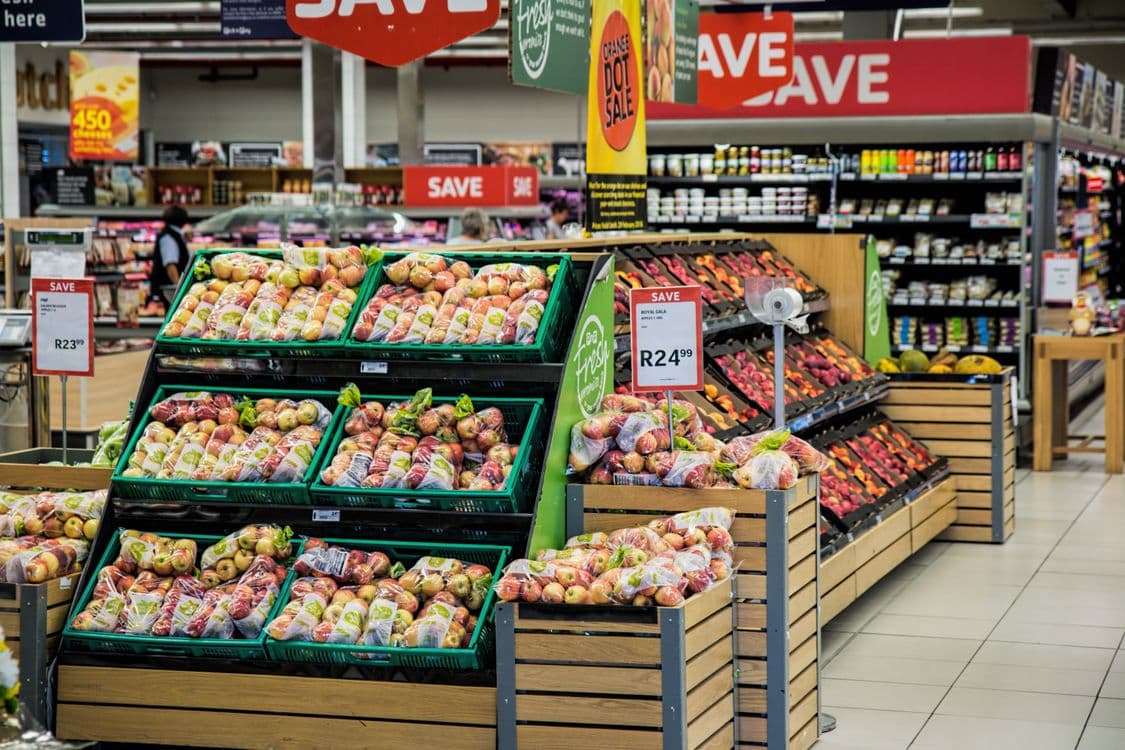
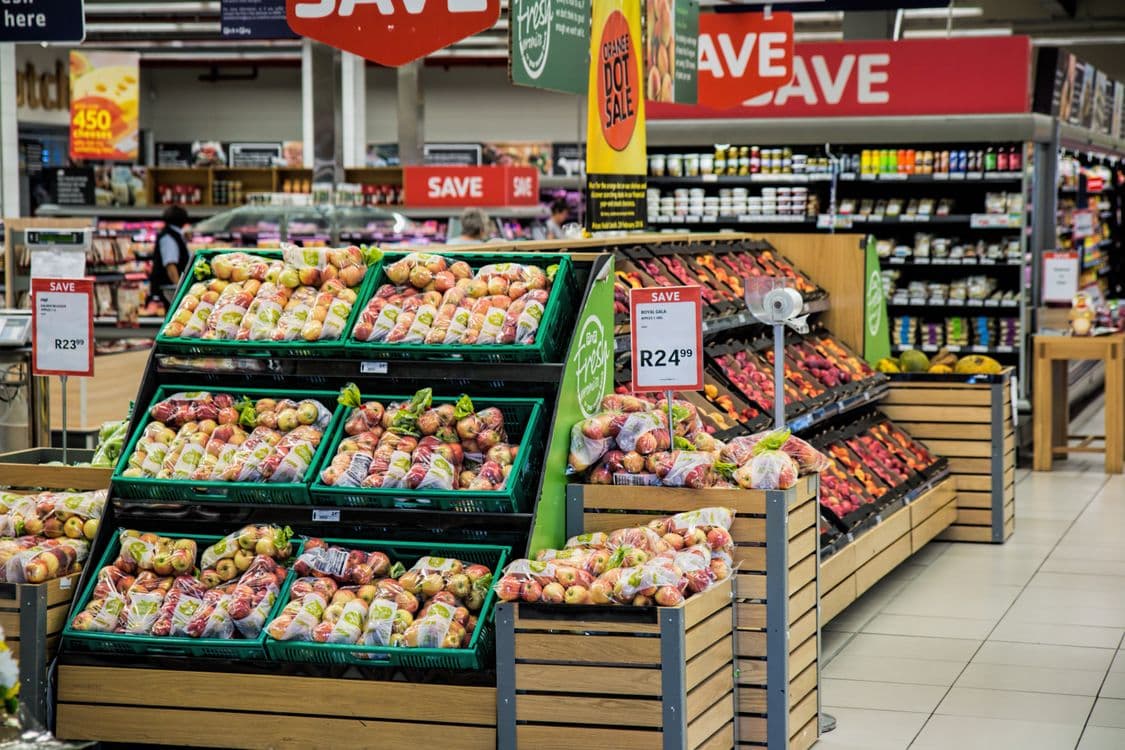
At the supermarket, slower food inflation means the weekly shop should stop climbing as sharply, though shoppers should not expect prices to actually drop. A basket that cost 100 pounds a year ago might now cost around 103 pounds rather than 105.
The bigger picture
Inflation peaked above 11 percent in 2022 during the energy crisis, so 2.6 percent represents a long journey back toward normal. But the last stretch to the 2 percent target is often the hardest, and progress can stall.
The number to watch next is July inflation, due in August, which will show whether the energy price cap increase and higher oil prices reverse the gains made this month. That reading will heavily influence whether the Bank of England cuts rates before the end of the year.