What happened
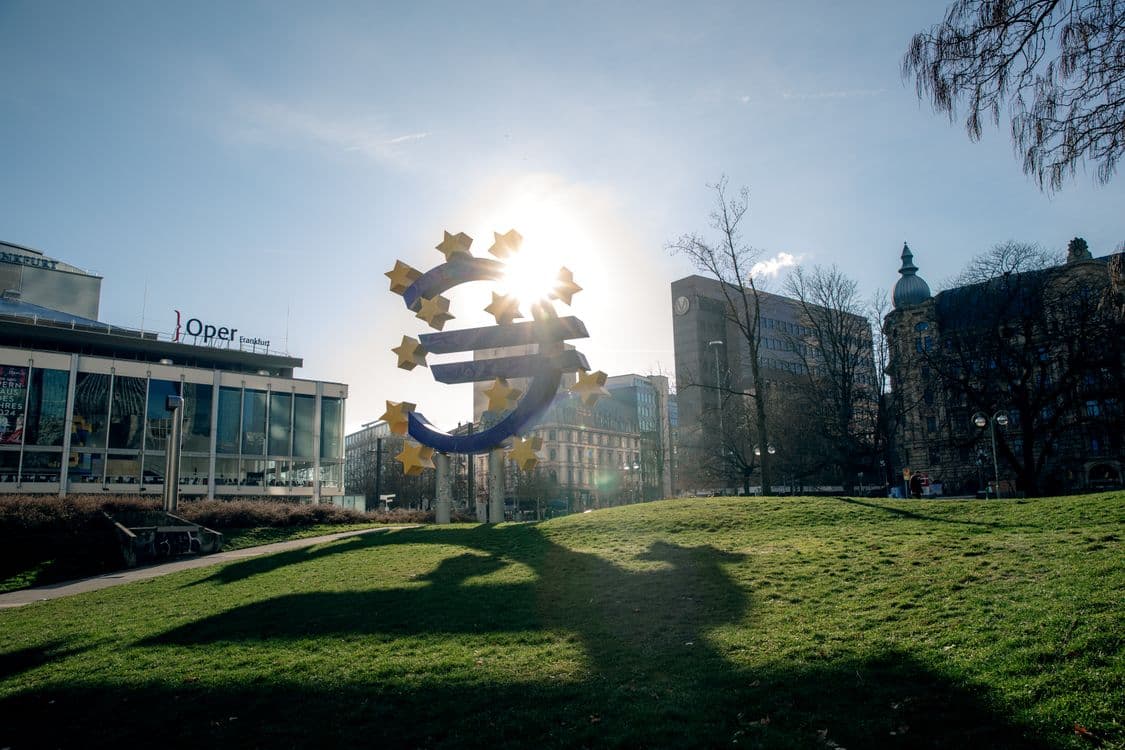
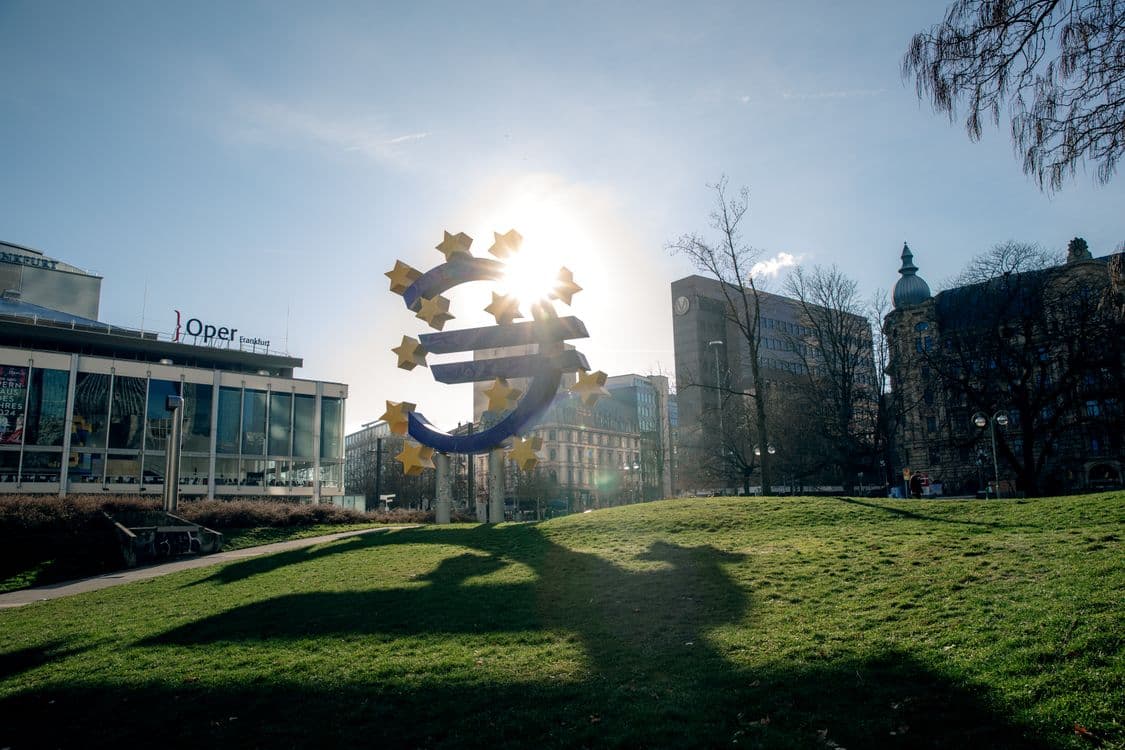
The European Central Bank kept its three key interest rates unchanged on 23 July, holding the closely watched deposit facility rate at 2.25 percent, the main refinancing rate at 2.4 percent and the marginal lending rate at 2.65 percent. The decision by the Governing Council came just six weeks after the bank surprised markets with its first rate rise in almost three years.
That earlier move, on 11 June, saw all three rates lifted by 25 basis points after a conflict driven energy shock pushed eurozone inflation to its highest level since September 2023. A basis point is one hundredth of a percentage point, so 25 of them equal a quarter point increase. The July hold gives the bank time to see how that first hike filters through.
Crucially, President Christine Lagarde pushed back against any idea that the tightening cycle is over. She stressed that the hold should not be read as a signal of comfort, and financial markets responded by pricing in roughly a 70 percent chance of a further rate rise in September.
Why it matters
The ECB sets the price of borrowing for the entire eurozone, a bloc of twenty economies and more than 340 million people. When it holds or raises rates, the effect ripples out to mortgages, business loans and savings accounts from Ireland to Greece.
The context here is unusual. Most major central banks spent 2024 and 2025 cutting rates as inflation fell. The ECB has now reversed direction because a fresh energy shock, tied to conflict in the Middle East, threatens to push prices back up. Eurozone inflation did ease to 2.8 percent in June from 3.2 percent in May, but services inflation, driven largely by wages, remains stubbornly high at around 3.5 to 4 percent.
For households and businesses across the euro area, the message is that cheap money is not coming back soon. Anyone hoping for lower mortgage costs before the autumn is likely to be disappointed.
Explained simply
Think of the ECB as the driver of a heavy lorry on a mountain road. It tapped the brakes in June, is coasting in July, and is keeping a foot hovering over the pedal in case the road tilts downhill again.
Interest rates are the main tool a central bank uses to control inflation. When prices rise too fast, the bank raises rates to make borrowing more expensive. That cools spending by households and firms, which slows demand and eventually brings prices back under control.
The tricky part is timing. Raise too hard and the economy stalls into recession. Raise too little and inflation becomes entrenched. By hiking once in June and then pausing, the ECB is trying to send a clear warning to markets that it takes the energy driven price threat seriously, without slamming the brakes so hard that growth collapses.
The 70 percent market bet on a September move tells you that investors think the lorry is more likely to brake again than to speed up. If oil prices keep climbing, that probability could rise further.
What it means for you
If you have a tracker mortgage in the eurozone, your monthly payment is unlikely to fall in the coming months and could rise again if the September hike happens. A quarter point increase on a 250,000 euro mortgage adds very roughly 30 to 40 euros a month depending on the term.
Savers see the other side of the coin. Fixed term deposit accounts and money market funds tend to pay more when rates are high, so this is a reasonable moment to shop around for a better savings rate rather than leaving cash in an account paying almost nothing.
For UK readers, the ECB decision matters indirectly. A stronger euro or higher eurozone rates can move the pound and affect the cost of goods imported from Europe, from cars to food. It also shapes the backdrop against which the Bank of England makes its own decision later this month.
The bigger picture
The ECB is now walking a rare and uncomfortable path, tightening policy while much of the world is still leaning towards cuts. The last time it hiked into an energy shock, in 2022 and 2023, it eventually had to hold rates high for a long stretch to be sure inflation was beaten.
The key thing to watch is oil. The current spike is tied to conflict between the United States and Iran and the risk of disruption to the Strait of Hormuz, through which a large share of global oil flows. If that risk fades, the September hike may never come. If it worsens, the ECB could be forced to act again and again.