What happened
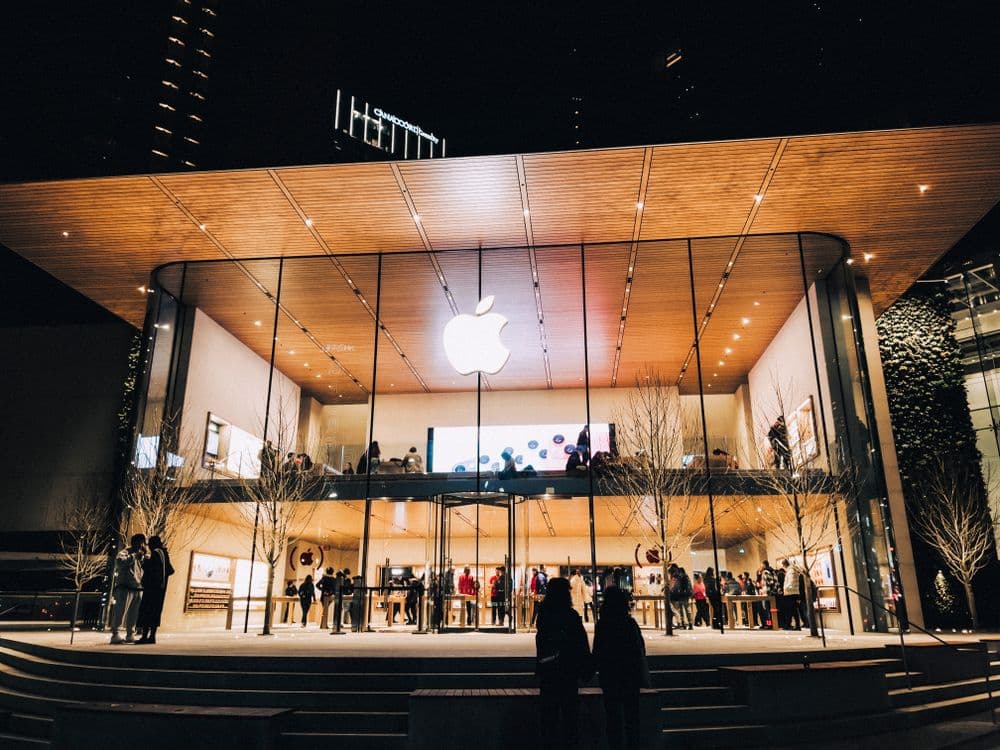
Apple, Microsoft and Meta Platforms are among the giants reporting quarterly results this week, in what analysts have billed as the busiest earnings stretch of the quarter. Apple reports on Thursday after the closing bell, with Wall Street looking for around 108 billion dollars in revenue and earnings of roughly 1.89 dollars a share.
The results land alongside a Federal Reserve rate decision on Wednesday, making it one of the most consequential weeks of the year for markets. Investors want to know whether people are still buying iPhones, how fast the Apple services business is growing, and how trading conditions look in China.
Across the sector, the sharpest focus is on spending. Several technology firms have raised their capital expenditure forecasts sharply to build the data centres that power artificial intelligence, and in at least one case free cash flow turned negative for the first time in the company history.
That combination of soaring investment and uncertain payback has left the market jittery, with technology shares swinging as traders debate whether the AI boom will justify its enormous cost.
Why it matters
These companies are not just big; they are the market. A handful of technology giants now make up a large share of the value of the S&P 500 and feature heavily in global index funds, so their results move the whole market rather than just their own share prices.
That concentration means the fortunes of millions of savers are tied to a few names. When these giants rise, workplace pensions and index funds rise with them. When they stumble, the pain spreads far beyond Silicon Valley.
The spending question matters because it is a bet on the future. If the billions poured into artificial intelligence generate strong new revenue, the investment made today will look wise. If it does not, investors may conclude they have paid too much for a promise that has yet to arrive.
Explained simply
Imagine a farmer spending this year entire harvest on new machinery, betting it will double next year crop. Investors are cheering the ambition but nervously watching the bank balance.
Capital expenditure, often shortened to capex, is simply the money a company spends on long term assets such as buildings and equipment, in this case the vast data centres needed to run artificial intelligence. It is spending today in the hope of profit tomorrow.
Free cash flow is the cash left over after a company has paid for that spending and its running costs. When it turns negative, the company is spending more than it takes in, funding the gap from its reserves or by borrowing. That is fine for a while, but investors want to see the payoff.
The market is trying to judge whether these firms are planting seeds that will grow into a rich harvest, or simply burning cash on a fashion. This week results will offer the first real evidence of which it is.
What it means for you
If you have a workplace pension or hold a global tracker fund, you almost certainly own a slice of Apple, Microsoft and Meta whether you realise it or not. These names sit at the top of the S&P 500 and world equity indices, so their results will move the value of your investments this week.
Because these few companies carry so much weight, a strong set of results could lift a global tracker by a noticeable amount, while a disappointment could drag it lower. A fund heavily weighted to US technology will feel the swings most sharply.
For anyone investing regularly, the lesson is about concentration. When a handful of shares drive so much of the market, it is worth checking how exposed your pension or ISA is to a single sector, so that one bad week does not knock your plans off course.
The bigger picture
The artificial intelligence boom has driven much of the stock market gains of recent years, and this earnings season is a crucial test of whether the enthusiasm is justified. The direction of these shares will set the tone for markets into the autumn.
Watch the spending numbers as closely as the profits. If the giants keep raising their investment plans while promising the returns are coming, expect more volatility as investors weigh ambition against patience. The Federal Reserve decision on Wednesday will add to the drama.