What happened
UK inflation eased to 2.6 percent in the year to June, down from 2.8 percent in May and below the 2.7 percent that many economists had expected. It was the lowest reading on the Consumer Prices Index, the main measure of how fast prices are rising, since March 2025.
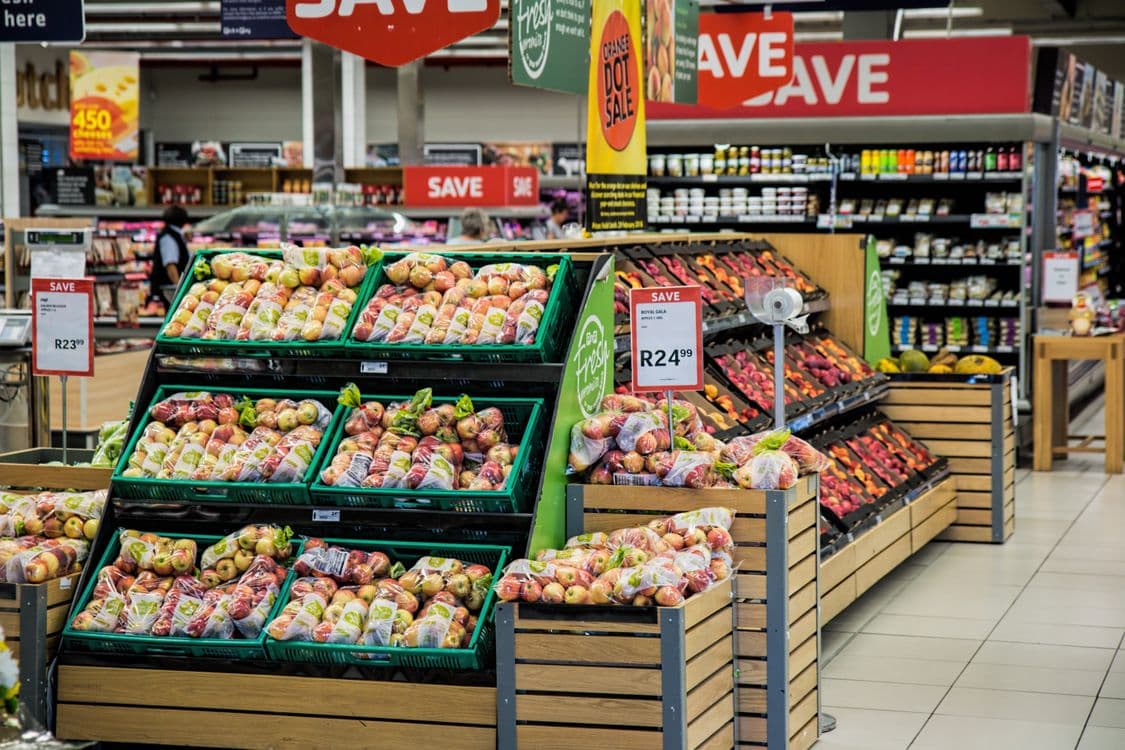
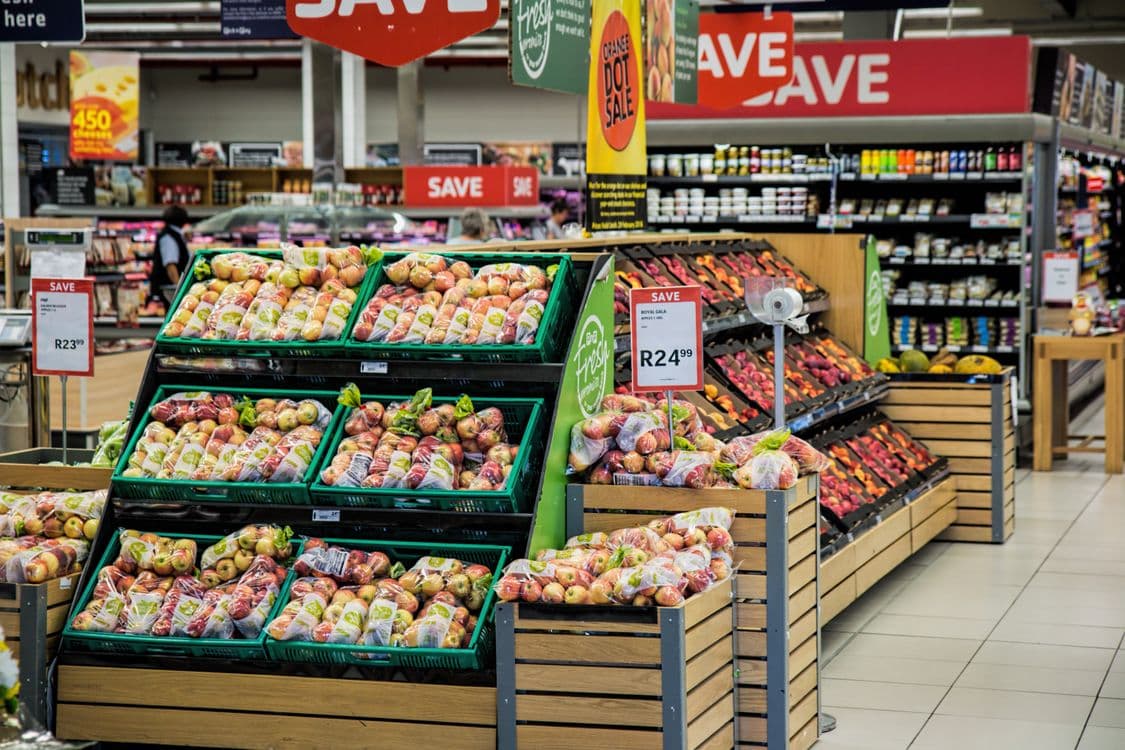
The slowdown was led by cheaper motor fuels, especially diesel, which pulled transport costs lower. Food inflation also cooled to 1.7 percent, its lowest since August 2024, easing one of the most visible pressures on household budgets.
Shares welcomed the news. The FTSE 100, the index of the largest companies listed in London, rose 1.24 percent to 10,716 points, its highest close since early March, with oil, mining and financial stocks among the gainers.
The labour market held firm at the same time, with the unemployment rate steady at 4.9 percent and 148,000 jobs added, a sign that the economy is cooling inflation without shedding workers.
Why it matters
Inflation measures how quickly the cost of living is rising. When it slows, wages and savings stretch further, because prices are climbing more gently. A fall from 2.8 to 2.6 percent brings inflation closer to the Bank of England 2 percent target.
That matters most for interest rates. The Bank of England raised rates to tame inflation, and cooling prices give it room to start lowering them again. Lower rates reduce the cost of mortgages and loans, though they also trim the returns on savings.
The drop in food inflation is especially important for lower income households, who spend a larger share of their money on essentials. When the weekly shop rises more slowly, the relief is felt immediately at the checkout.
Explained simply
Think of inflation as the speed of a car. It is not going backwards, so prices are still rising, but the Bank has eased off the accelerator and the ride is getting smoother.
A falling inflation rate does not mean prices are dropping. It means they are going up more slowly than before. At 2.6 percent, the typical basket of goods still costs more than a year ago, just a little more rather than a lot more.
The Bank of England job is to keep that speed steady at around 2 percent, fast enough to keep the economy healthy but slow enough that money holds its value. When inflation runs hot, the Bank raises interest rates to cool spending; when it cools, the Bank can ease off.
The June figures suggest the medicine is working. With fuel and food leading prices lower and jobs still plentiful, the economy looks to be slowing inflation without stalling, the soft landing policymakers have been aiming for.
What it means for you
The clearest effect is on borrowing. Cooler inflation raises the chance that the Bank of England cuts its base rate, currently 3.75 percent, later this year. That would gradually lower the cost of fixed rate mortgages and variable loans, easing monthly payments for many households.
Savers face the other side of the coin. If rates fall, the interest on easy access savings accounts and Cash ISAs, many of which currently pay around 4 to 4.5 percent at major banks, is likely to drift lower over the coming months. Locking into a fixed rate savings bond now can protect the return you get today.
If you hold a FTSE 100 tracker in an ISA or pension, the rally to a four month high will have lifted its value. A rising index and the prospect of cheaper borrowing are broadly supportive for UK shares, though much depends on what the Bank of England does next.
The bigger picture
Britain inflation has fallen a long way from the double digit peaks of the recent cost of living crisis, and the June figures show the trend still heading in the right direction. The question now is how fast the Bank of England feels able to cut rates.
Watch the next inflation release and the Bank next meeting for the clearest steer. If prices keep cooling and the jobs market stays steady, more rate cuts could follow, shaping the cost of mortgages and the returns on savings well into 2027.