What happened
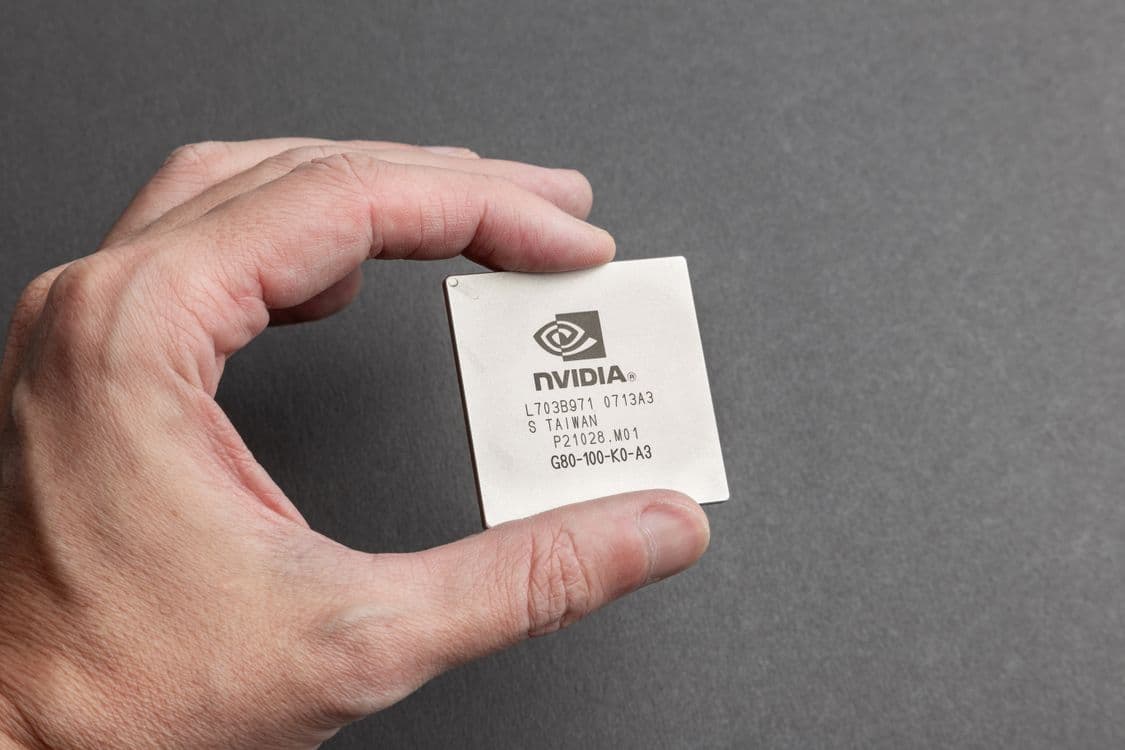
Nvidia, the worlds most valuable chipmaker, fell 4.92 percent intraday as a sharp sell-off swept through semiconductor shares. Advanced Micro Devices, known as AMD, dropped 8.31 percent and Intel shed 3.54 percent, dragging the wider technology sector lower.
The pain showed up across baskets of chip stocks too. The VanEck Semiconductor ETF, a fund that tracks the sector under the ticker SMH, fell 4.06 percent, taking its decline over the past month to 9.33 percent. A semiconductor ETF is simply a single fund that holds a spread of chip companies at once.
The trigger was an unlikely one, a set of strong results. Taiwan Semiconductor Manufacturing Company, or TSMC, the giant that manufactures chips for Nvidia and Apple, beat forecasts on both profit and revenue. But it also flagged plans to spend far more on new factories than expected, and that spooked investors.
Why it matters
Chip companies have been the engine of the stock market boom, because they make the processors that power artificial intelligence. When they wobble, the whole market tends to feel it, since these are now some of the largest companies on earth by value.
The worry is about sustainability. Huge amounts of money have been poured into AI on the assumption that demand will keep booming. If a bellwether like TSMC has to keep raising its spending just to keep up, investors start asking whether the returns will ever justify the outlay.
Veteran commentator Jim Cramer warned that the sellers driving the slump are, in his words, monstrous, motivated and often margined, meaning some are being forced to sell because they borrowed money to buy in the first place. Forced selling can make a fall steeper and harder to reverse.
Explained simply
Imagine a gold rush where everyone is buying shovels. TSMC is the shovel maker saying business is booming, but it needs to build far bigger factories to keep digging. Investors suddenly worry the gold might run out before the factories pay for themselves.
In this picture the chips are the shovels and AI is the gold. For two years the miners could not get enough shovels, so shovel makers like Nvidia and TSMC saw their share prices soar. Everyone assumed demand would only grow.
Now TSMC is saying it must spend enormous sums on new plants. That is a signal of confidence, but it also means huge upfront costs. If AI demand cools even slightly, those expensive new factories could sit half empty, which is exactly the fear that sent shares lower.
The margin point matters too. Some investors buy shares with borrowed money to boost their gains. When prices fall, they can be forced to sell to repay the loan, which pushes prices down further and pulls in the next wave of forced sellers.
What it means for you
You may own more chip stocks than you realise. If you hold a global tracker fund or an S&P 500 tracker inside a pension or stocks and shares ISA, Nvidia alone can make up several percent of the whole fund, so a bad week for chips dents your balance.
The effect is real but usually modest for a diversified saver. A 5 percent fall in a stock that is 5 percent of your fund knocks about 0.25 percent off the total, worth roughly 25 pounds on a 10,000 pound holding. That is a reminder of why spreading money across many companies and regions cushions the blow.
If you are tempted to buy the dip or sell in a panic, remember that chip shares are famously volatile and can swing 5 percent in a single session. For most long-term investors, sticking to regular contributions rather than trying to time these moves tends to work out better.
The bigger picture
This is not the first chip scare of 2026. The sector has seen several sharp pullbacks this year as the market wrestles with whether AI enthusiasm has run ahead of reality. Each dip has tested nerves, and so far buyers have often returned.
The question for the months ahead is whether AI demand keeps growing fast enough to fill all the new capacity being built. Watch upcoming earnings from Nvidia and the big cloud companies for clues. If their spending plans hold firm, the boom has legs. If they hesitate, expect more turbulence.