What happened
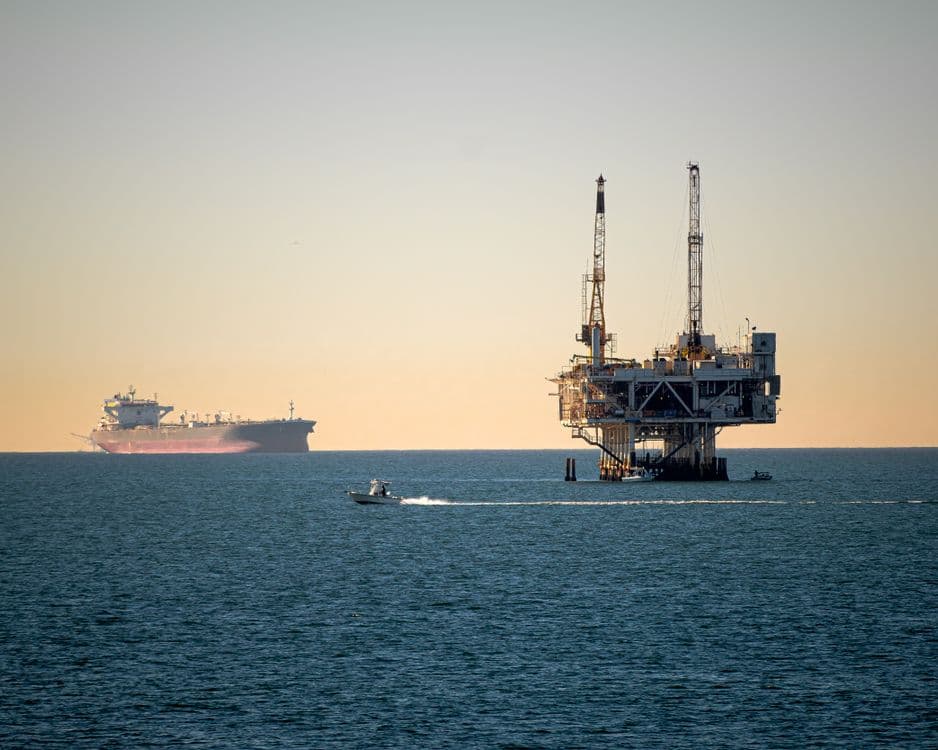
Brent crude, the global oil benchmark, retreated from its highest levels in two months on Wednesday after Washington and Tehran paused hostilities and resumed diplomatic contact. The pullback eased a spike that had rattled markets and threatened to reignite inflation across the world economy.
Oil had surged in recent weeks as fears of conflict in the Middle East raised the prospect of disrupted supplies from the region that pumps a large share of the world crude. With tensions cooling, traders unwound some of those bets, and prices slipped back toward calmer levels.
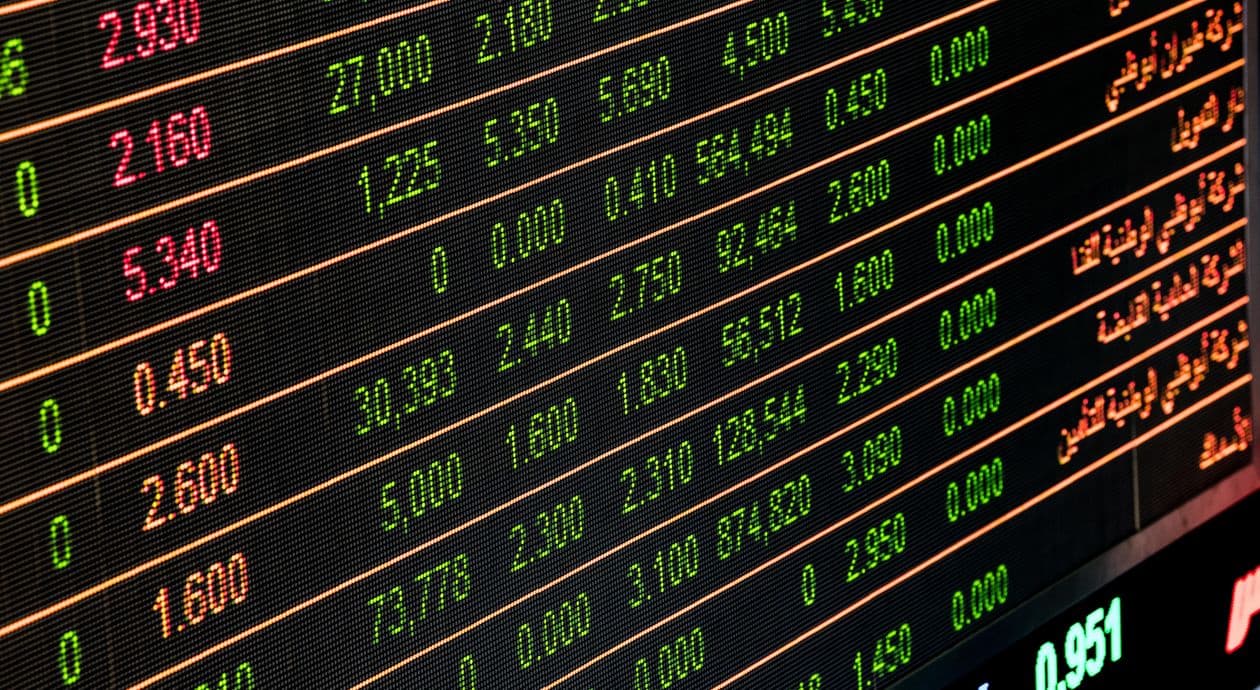
The relief was felt immediately in bond markets. UK gilt yields fell and money markets slightly scaled back expectations for further interest rate rises, as cheaper energy took some of the heat out of the inflation outlook. Energy shares were among the weakest performers as the oil price eased.
Why it matters
Oil is the single most important commodity in the world economy. It powers cars, lorries, ships and planes, heats homes and factories, and feeds into the cost of almost everything that has to be moved or manufactured. When the price jumps, those costs ripple outward into shop prices within weeks.
That is why central banks watch crude so closely. A sustained oil spike can undo months of progress on inflation, forcing rate-setters at the Federal Reserve and the Bank of England to keep interest rates higher for longer. A retreat, by contrast, gives them room to breathe.
The geopolitics matter because so much of the world oil flows through a handful of chokepoints near the Middle East. Any threat to those routes sends prices soaring on fear alone, and any sign of calm brings them back down, often before a single barrel is actually affected.
Explained simply
Think of oil as the blood of the global economy. When supply looks threatened the whole body tenses up, and when the threat fades everything relaxes at once.
Oil trades on expectations as much as on reality. Traders are constantly trying to guess how much crude will be available months from now. If they fear a war might cut supply, they buy oil today to lock in a price, and that buying pushes the cost up even before any barrel goes missing.
When the threat recedes, the process runs in reverse. Traders who bought on fear sell back, and the price falls. That is what happened this week as the United States and Iran stepped back from confrontation and started talking again.
The reason this reaches your daily life is that the price of crude flows through to the pump with a short delay. Filling stations pay roughly todays wholesale price, so a fall in crude tends to show up as slightly cheaper petrol and diesel within a few weeks.
What it means for you
The most visible effect is at the petrol pump. If crude stays lower, the recent climb in petrol and diesel prices should slow and may partly reverse over the next few weeks, easing one of the most painful items in many household budgets.
Cheaper energy also feeds into the broader cost of living. Lower fuel costs make it cheaper to transport food and goods, which can take some pressure off prices in the shops and, in turn, off the inflation figures that guide interest rates on mortgages and savings accounts.
For investors, the effect is mixed. A falling oil price tends to weigh on the share prices of energy giants like Shell and BP, which are heavyweights in the FTSE 100 and in many UK pension funds. So a cheaper barrel that helps at the pump can slightly dent the value of an income-focused UK portfolio.
The bigger picture
The sharp swings in oil this month are a reminder of how exposed the world economy remains to events in the Middle East. The current calm is fragile and rests on diplomacy holding, which history suggests is far from guaranteed.
For now, the retreat in crude is a quiet piece of good news for households and central bankers alike. The key thing to watch is whether the pause between Washington and Tehran turns into something lasting. If it does, lower energy prices could help inflation fall further. If it breaks down, the spike, and the pressure on prices and interest rates, could return quickly.