What happened
The Federal Reserve kept its key interest rate at a range of 3.50 to 3.75 percent on 29 July, the fifth meeting in a row without a change, and the decision exposed a widening rift inside the central bank. The vote was 9 to 3, with three policymakers pushing to raise rates by a quarter of a percentage point straight away.
The three dissenters were Beth Hammack, Neel Kashkari and Lorie Logan, each of whom wanted to lift the target range by 0.25 points now rather than wait. Three objections at one meeting is unusually high and signals that a bloc inside the Fed fears inflation could flare up again.
Chair Kevin Warsh, presiding over only his second meeting, said the US economy was still expanding at a solid pace despite elevated uncertainty linked in part to the conflict in the Middle East. Rising energy prices are the central worry, because fuel costs feed into the price of almost everything else.
Investors have quickly changed their bets. Markets now price in two quarter-point rate rises before the end of 2026, a sharp reversal from the rate cuts traders had expected only months earlier.
Why it matters
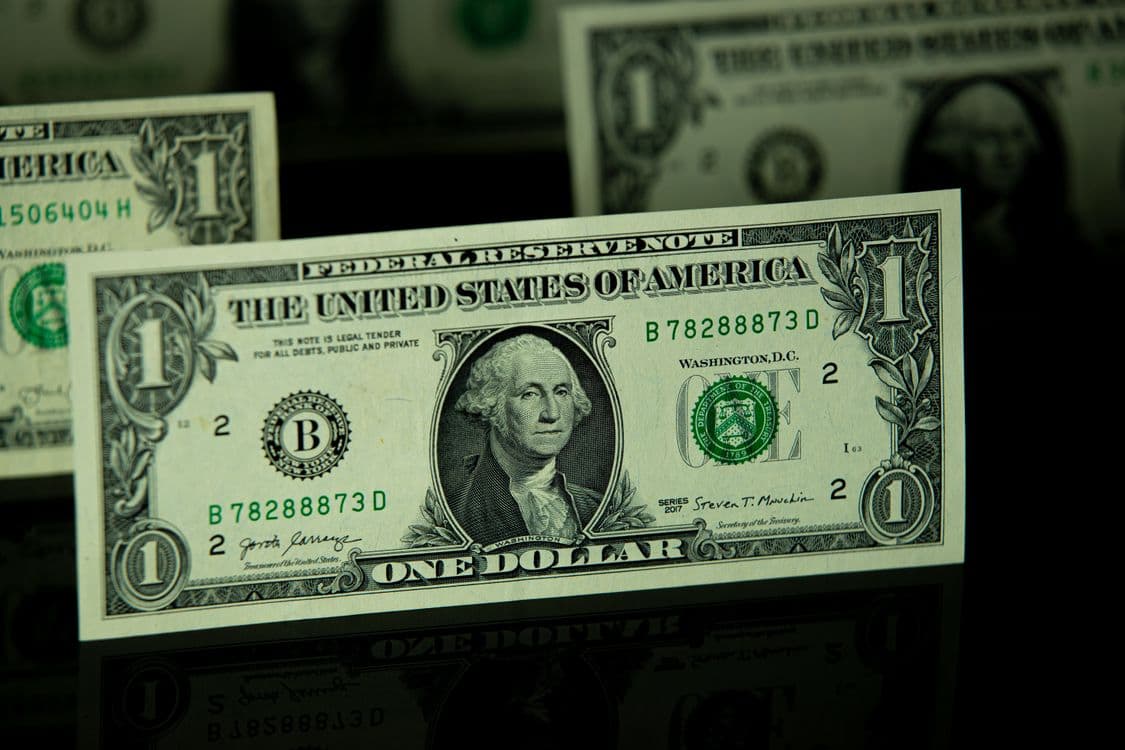
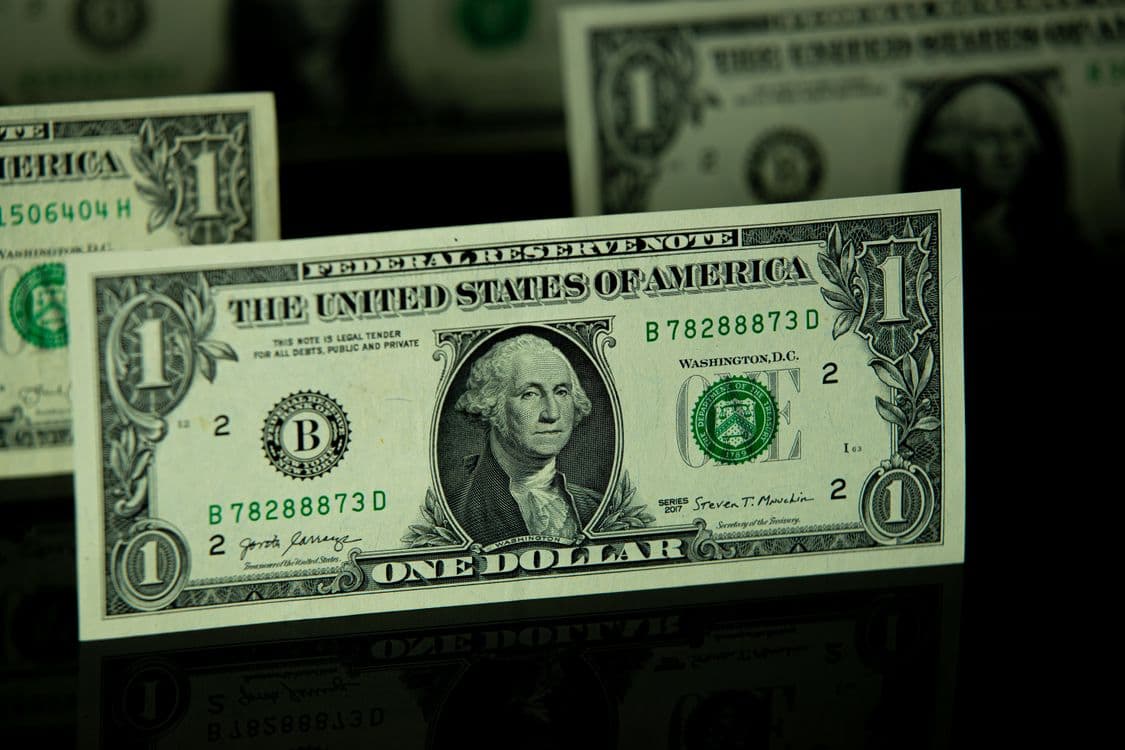
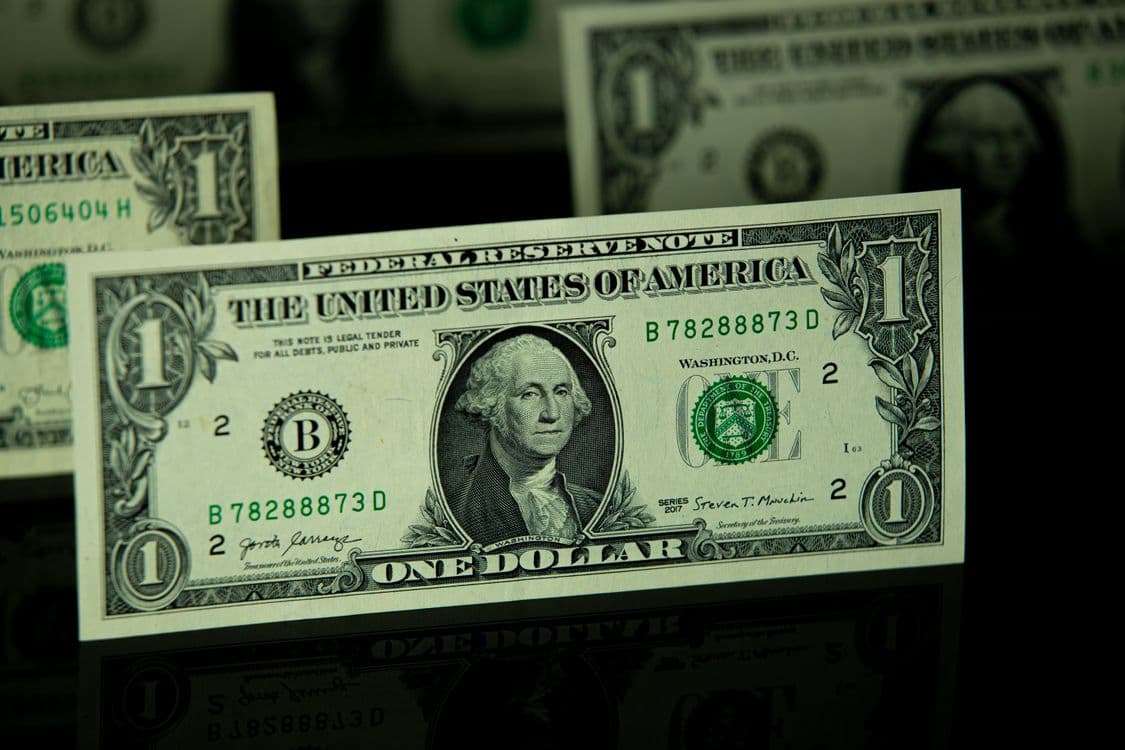
The federal funds rate is the price the Fed sets for banks to borrow from each other overnight, and it ripples out into almost every loan and savings product in the world. When it stays high, borrowing stays expensive and saving stays rewarding.
For Americans, that means mortgages, car loans and credit-card balances remain costly. For the rest of the world, including UK savers and borrowers, the Fed sets the tone. The dollar is the currency global markets watch most closely, so when US rates hold firm, other central banks find it harder to cut their own rates without weakening their currencies.
The three dissents matter because they hint at the direction of travel. If more officials come round to their view, the next move could be up rather than down, which would surprise many households who have been waiting for cheaper borrowing.
Explained simply
Think of the Fed as the thermostat for the whole economy. Right now most of the room wants to leave the dial where it is, but three people are reaching for the knob because they can feel the temperature creeping up again.
Interest rates are the main tool a central bank uses to control how hot or cold the economy runs. When prices rise too fast, the Fed turns the dial up by raising rates, which makes borrowing dearer, cools spending and eases the pressure on prices. When the economy is sluggish, it turns the dial down.
Holding rates steady is the Fed saying the temperature is roughly right for now. But the three dissenting votes are like colleagues insisting the room is already too warm and the dial should go up before things get uncomfortable. Their concern is energy costs, which can push up prices across the board even when the wider economy is not overheating.
The tricky part is timing. Raise too soon and you choke off growth; wait too long and inflation digs in. That balancing act is exactly what the split vote reflects.
What it means for you
If you hold US dollar savings or a global money-market fund, the high Fed rate is good news, keeping yields elevated at around 4 percent or more. If you have dollar-denominated debt, expect no relief soon.
For UK readers, the knock-on effect is indirect but real. The Bank of England watches the Fed closely, and a firm US stance makes aggressive UK rate cuts less likely. That means easy-access savings accounts paying around 4 percent and fixed-rate bonds should hold their value for a while longer, so locking in a competitive rate now still makes sense.
If you are shopping for a fixed-rate mortgage, do not count on sharply lower rates in the coming months. The market mood has shifted from expecting cuts to bracing for possible hikes, and that tends to nudge fixed mortgage pricing higher rather than lower.
The bigger picture
The Fed has now sat on its hands for five straight meetings, an unusually long pause that reflects how uncertain the outlook has become. The Middle East conflict and its effect on oil prices have replaced the old worry, which was slowing growth.
The next few inflation and jobs reports will decide the argument. If price pressures ease, the doves keep control and the pause continues. If energy costs keep climbing, the three dissenters may soon be the majority. Watch the September meeting closely, and keep an eye on the oil price as the single best clue to where rates head next.