What happened
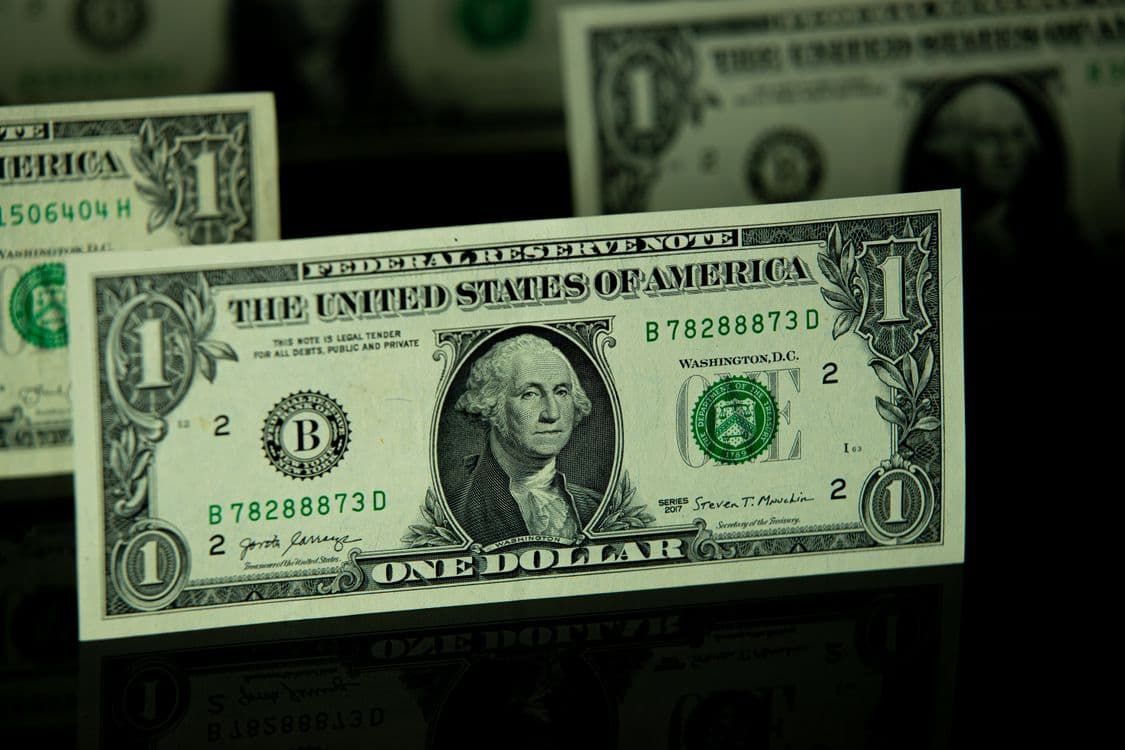
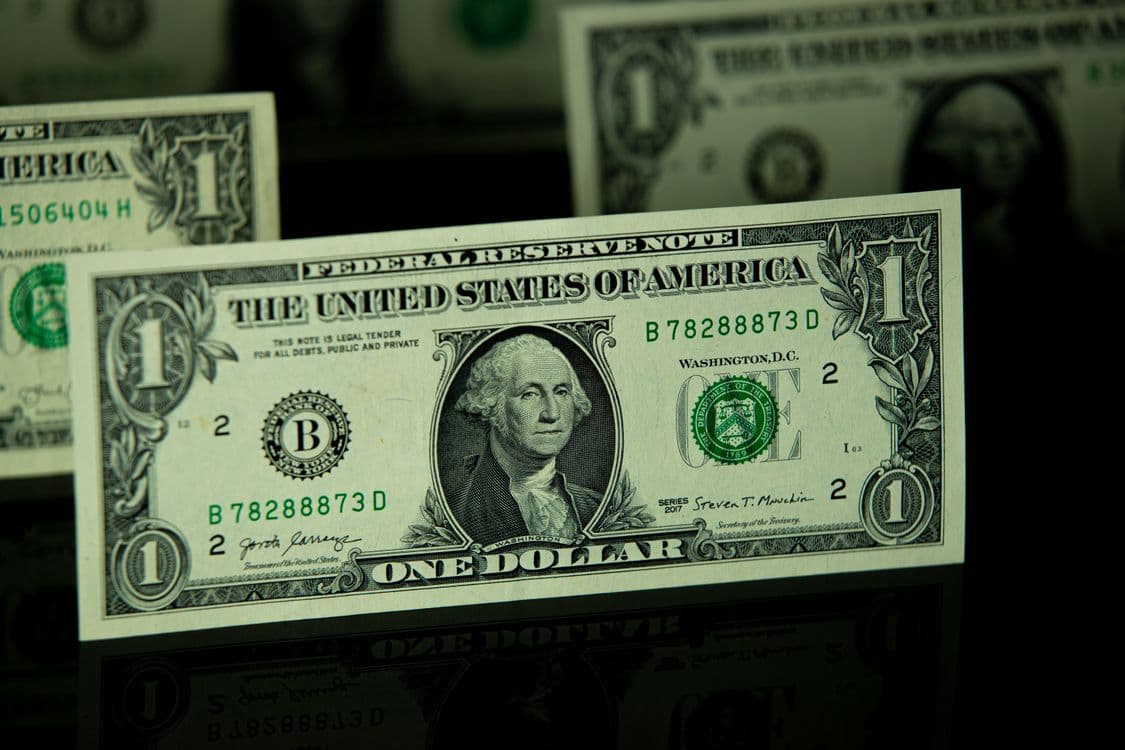
The US Federal Reserve left its key interest rate unchanged in a range of 3.5 to 3.75 percent after its two-day meeting, choosing to wait rather than move in either direction. Chair Kevin Warsh said the central bank will not hesitate to act to keep inflation under control.
The decision landed while fighting continues between the United States, Iran and their allies, a conflict that has kept energy prices jumpy and made the inflation outlook harder to judge. The Fed signalled patience, preferring to see more data before committing to cuts.
Warsh struck a firm tone, making clear the Fed would rather risk holding too long than let price rises take hold again. That message was aimed as much at markets as at the public.
Why it matters
The Federal Reserve sets the cost of money for the worlds largest economy, and its decisions ripple far beyond America. Because so much global borrowing is priced in dollars, a Fed on hold keeps borrowing costs elevated around the world.
For US households, the hold means mortgages, car loans and credit cards stay expensive. For savers, it means deposit accounts and money market funds keep paying attractive returns.
For UK readers, the Fed matters through the exchange rate. A firm dollar can make imports and holidays pricier, and it shapes how much room the Bank of England has to cut its own rates.
Explained simply
Think of the Federal Reserve as the thermostat for the US economy. Warsh has decided the room is close to the right temperature, so he is leaving the dial alone rather than risk a sudden chill or a fresh heatwave.
When an economy runs hot, prices rise too fast. The Fed cools things down by raising rates, which makes borrowing dearer and spending slower. When the economy is cold, it cuts rates to warm things up.
By holding, the Fed is saying the temperature is roughly right for now. But with a war pushing energy prices around, it does not want to touch the dial and risk being wrong.
Warsh promising to act if needed is like the person by the thermostat keeping a hand nearby, ready to adjust the moment the room gets uncomfortable.
What it means for you
If you hold US shares through a pension or a global index fund, a steady Fed reduces the risk of sudden market shocks, which is generally good for the value of your investments over time.
If you are travelling to the United States or buying goods priced in dollars, a strong dollar makes them more expensive. A holiday that cost a certain amount last year may cost noticeably more now.
For UK savers and borrowers, the indirect effect is that a cautious Fed gives the Bank of England less cover to cut aggressively, so do not expect UK rates to tumble while American rates stay high.
The bigger picture
The Fed is walking the same tightrope as other central banks, trying to finish the job on inflation without tipping the economy into a downturn. Holding rates buys time to see how the Middle East conflict plays out.
Watch the next set of US jobs and inflation figures. Strong data would keep the Fed on hold, while any sharp slowdown could open the door to cuts before the year is out.