What happened
Markets are rapidly repricing the outlook for US interest rates. The 10 percent fall in oil prices this week, triggered by delayed US military action against Iran and progress toward reopening the Strait of Hormuz, has lowered expected inflation and with it the perceived odds that the Federal Reserve will need to keep policy tight.
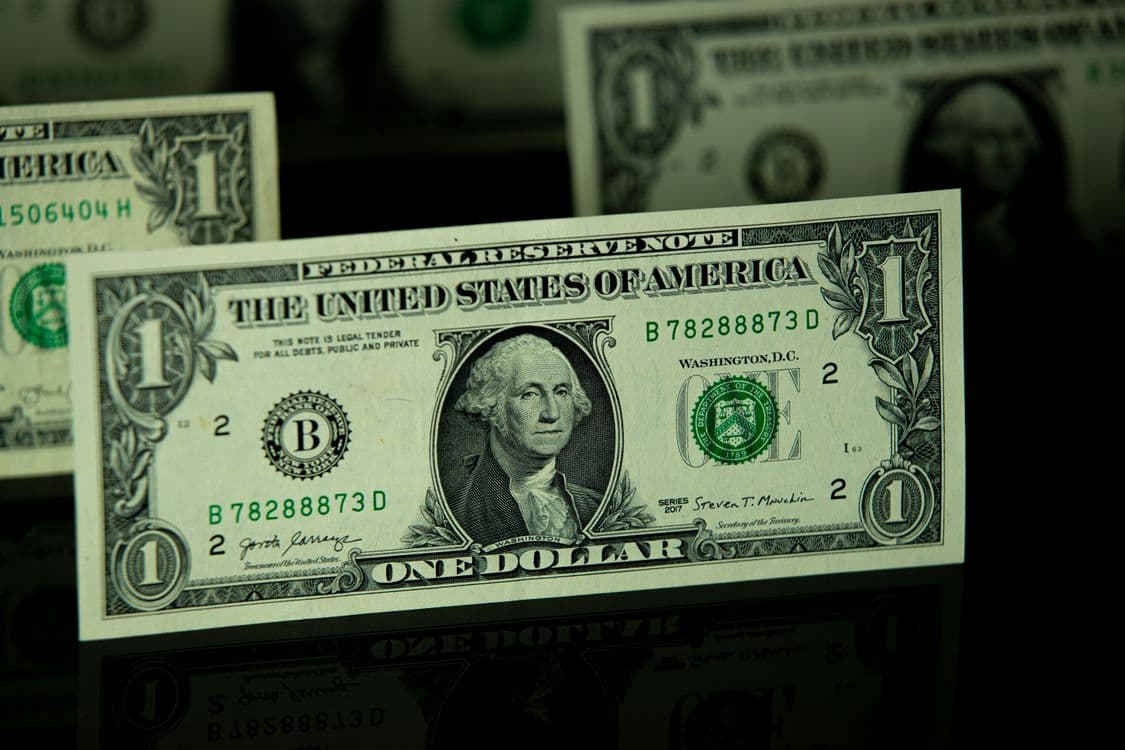
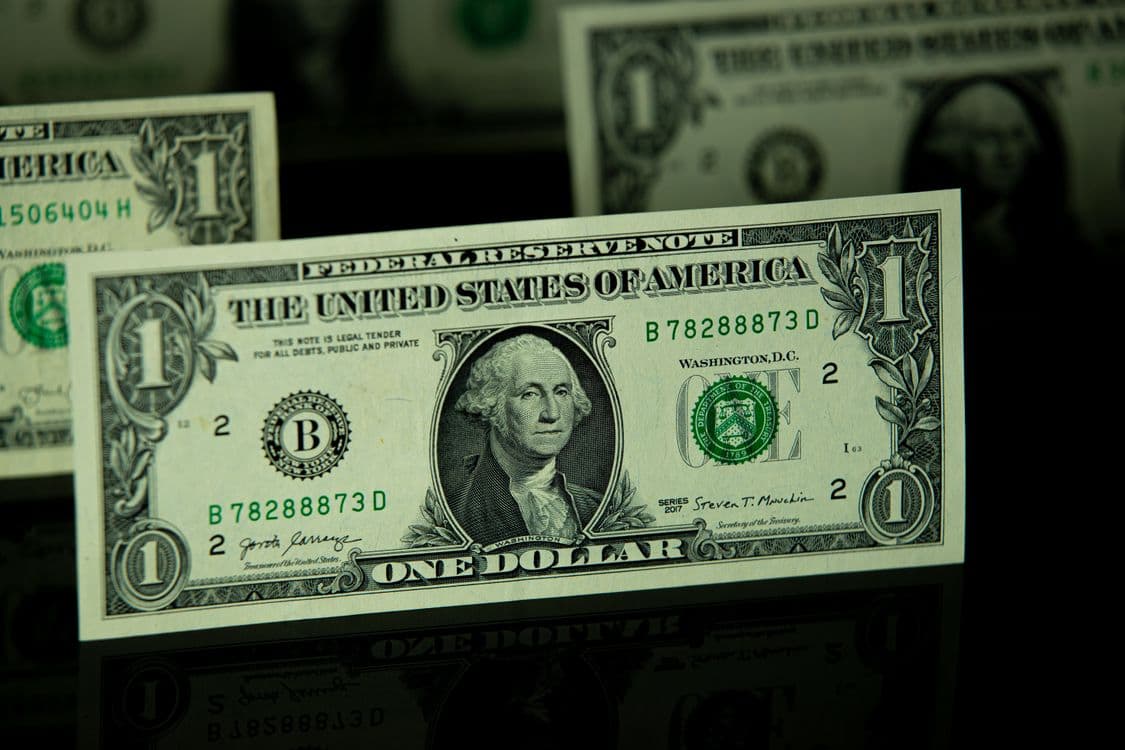
The signs are visible across markets: the US dollar traded subdued on Wednesday, gold jumped 2.4 percent to a one month high above 4,175 dollars, and bond yields eased. All three moves point the same way, toward investors positioning for cheaper money.
The Fed currently holds its key rate in a range of 3.5 to 3.75 percent. Officials have been reluctant to cut while the Iran conflict threatened another energy price spike, a concern the Bank of England shares, having held UK rates at 3.75 percent on 30 July in a split vote. US jobs data due later this week is the next major input, with weak numbers likely to cement cut expectations.
Why it matters
The Federal Reserve sets the price of money for the worlds largest economy, and its decisions ripple everywhere. When markets expect Fed cuts, global borrowing costs ease, stock markets tend to rise, and other central banks gain room to cut without weakening their currencies.
This year the calculation has been dominated by energy. Central bankers on both sides of the Atlantic have worried that the Iran conflict would push oil higher and reignite inflation, which is why the Fed, the Bank of England and the European Central Bank have all been holding rather than cutting through the summer. The ECB even raised its deposit rate to 2.25 percent in June on energy driven inflation fears.
If oil stays near 76 dollars, that entire logic softens. UK inflation is at 2.6 percent and the Bank of England projects a peak around 3.2 percent late this year — a peak built partly on higher energy costs that may now not materialise. Cheaper oil today makes rate cuts tomorrow easier everywhere.
Explained simply
Think of the Federal Reserve as a thermostat for the US economy — falling oil prices are like a cold front moving in, so markets now expect the heating to be turned down sooner.
A central bank raises interest rates to cool an overheating economy and cuts them to warm a chilly one. Inflation is the temperature gauge. For months, the threat of an oil supply shock kept the gauge threatening to spike, so central bankers kept their hands off the dial.
This week the threat receded. Oil fell 10 percent, expected inflation fell with it, and traders concluded the thermostat can come down sooner than they thought. Nobody at the Fed has announced anything — what moved was the market forecast of what the Fed will do, which is expressed through bond yields, currency moves and the gold price.
Those forecasts matter in their own right, because banks price fixed rate mortgages and savings products off market expectations, not off the current official rate. Your mortgage deal moves when the forecast moves, often months before any actual cut.
What it means for you
For UK borrowers, expectations of lower global rates feed into swap rates, the wholesale prices lenders use to set fixed mortgage deals. If this repricing holds, five year fixes, currently around 4 percent at the most competitive lenders, could edge lower into the autumn. If you are remortgaging, secure a deal now and ask your broker to review it before completion — most big lenders let you switch to a cheaper rate if one appears.
For savers the message is the reverse: the best fixed rate bonds, currently around 4.5 percent for one year, tend to be withdrawn quickly once cut expectations firm up. Locking a portion of savings soon protects that income, and Cash ISA versions shelter the interest from tax.
Markets currently see UK rates falling to around 3.5 percent by the end of 2026, with the next Bank of England decision on 17 September and the ECB meeting on 10 September. This week, the US jobs report is the number that could move all of those expectations at once.
The bigger picture
Central banks spent 2022 to 2024 fighting an inflation surge and have spent 2025 and 2026 trying to judge when it is truly beaten, with the Iran conflict repeatedly delaying the all clear. The events of this week show how quickly the picture can change when a geopolitical risk fades.
It can change back just as fast. If diplomacy with Iran stalls, oil and rate expectations would snap higher again. Watch three things: the US jobs report this week, the ECB decision on 10 September, and the Bank of England meeting on 17 September. Together they will set the direction of borrowing costs into 2027.