What happened
UK CPI inflation eased to 2.6 percent in June, down from 2.8 percent in May, continuing a gentle cooling trend through early summer. The figure remains above the official 2 percent target set for the Bank of England.
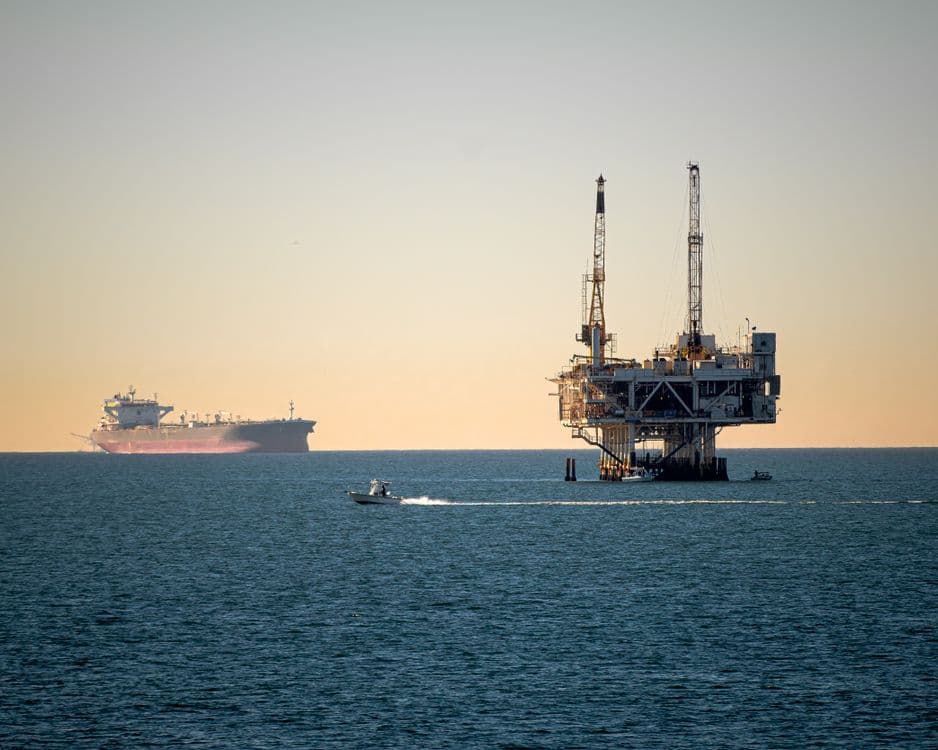
The relief may be temporary. The central projection from the Bank of England shows inflation rising again to peak at around 3.2 percent in the fourth quarter of 2026, largely because of energy price pressures linked to the conflict in the Middle East. Under more severe scenarios involving disruption to oil shipping through the Strait of Hormuz, forecasters have warned inflation could climb far higher, with knock-on effects for transport, manufacturing and food prices.
The growth backdrop is soft too: consultancy EY has cut its forecast for UK economic growth this year to 0.9 percent, and that assumes the Strait of Hormuz stays open to oil and gas shipments.
Attention now turns to the autumn, when Chancellor John Healey delivers his first Budget on 28 October against this uncomfortable mix of sticky prices and slow growth.
Why it matters
Inflation is the single number that most directly shapes household living standards. At 2.6 percent, the average basket of goods costs 2.6 percent more than a year ago — milder than the double-digit pain of recent years, but still an erosion of every pound in your pocket.
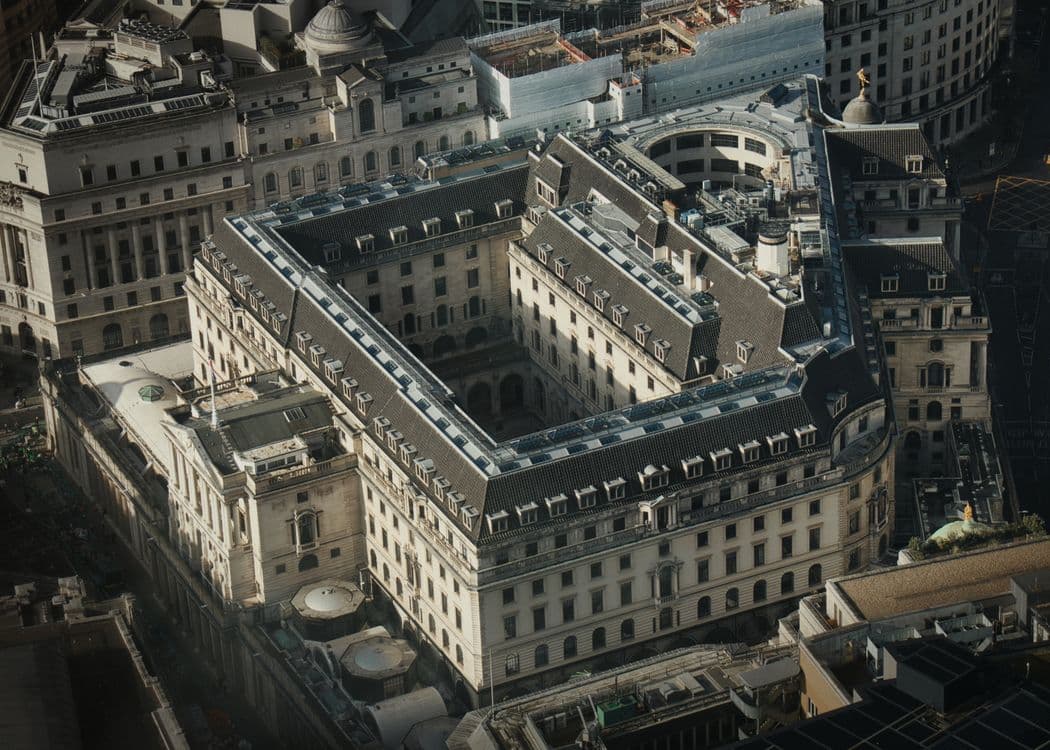
The projected rebound to 3.2 percent explains why the Bank of England is refusing to cut interest rates from 3.75 percent. Cutting while inflation is forecast to rise would risk repeating the mistake of easing too early and letting price rises become entrenched.
Slow growth plus above-target inflation is an awkward combination for the government as well: it squeezes tax revenues while raising the cost of everything the state buys, narrowing the room for giveaways in the October Budget.
Explained simply
Inflation cooling from 2.8 to 2.6 percent is like a kettle coming off the boil — the water is still hot, and the Bank expects someone to flick the switch back on before winter.
Inflation measures the speed at which prices rise, not the level of prices. So a falling inflation rate does not mean things are getting cheaper — it means they are getting more expensive slightly more slowly. The damage from past price rises stays baked in.
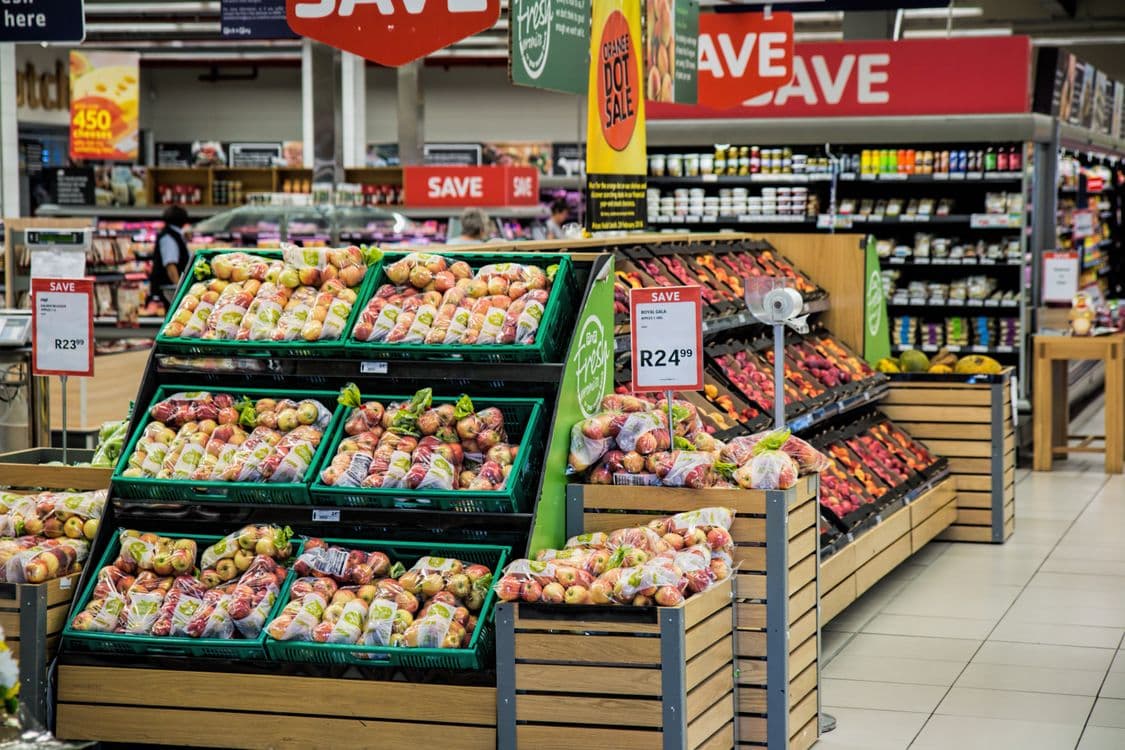
The expected winter rebound works through energy. Oil and gas prices feed into petrol, heating, electricity, fertiliser and transport costs, so a Middle East supply shock touches nearly every item in the shops within months. That is why a conflict thousands of miles away shows up in a UK supermarket receipt.
The target of 2 percent exists because a little inflation greases the economy, while too much destroys savings and planning. At 2.6 percent heading toward 3.2, the UK sits in the uncomfortable zone between the two.
What it means for you
The immediate priority is making your cash outpace prices. The best easy-access savings accounts pay around 4.2 to 4.5 percent — a real return of roughly 1.6 to 1.9 percent over current inflation. Money sitting in a high-street account paying 1 percent is losing purchasing power every month.
A Cash ISA shelters that interest from tax, which matters more as higher rates push more savers over the personal savings allowance. For money you will not need for years, index-linked savings or diversified funds have historically beaten inflation over long periods.
Households should also budget for a costlier winter: if the 3.2 percent peak arrives, energy and food bills will lead the rise. Fixing energy tariffs where competitive deals exist, and overpaying expensive debt while rates are static, are the practical moves this autumn.
The bigger picture
The UK has moved from an inflation emergency to an inflation grind: no longer at crisis levels, but stubbornly unable to settle at target. The path from here depends less on Threadneedle Street than on geopolitics — an open Strait of Hormuz keeps the 3.2 percent peak manageable; a closure rewrites every forecast.
Watch three dates: the next CPI release, the Bank of England decision on 17 September, and the Budget on 28 October. Together they will set the financial tone for the winter.