What happened
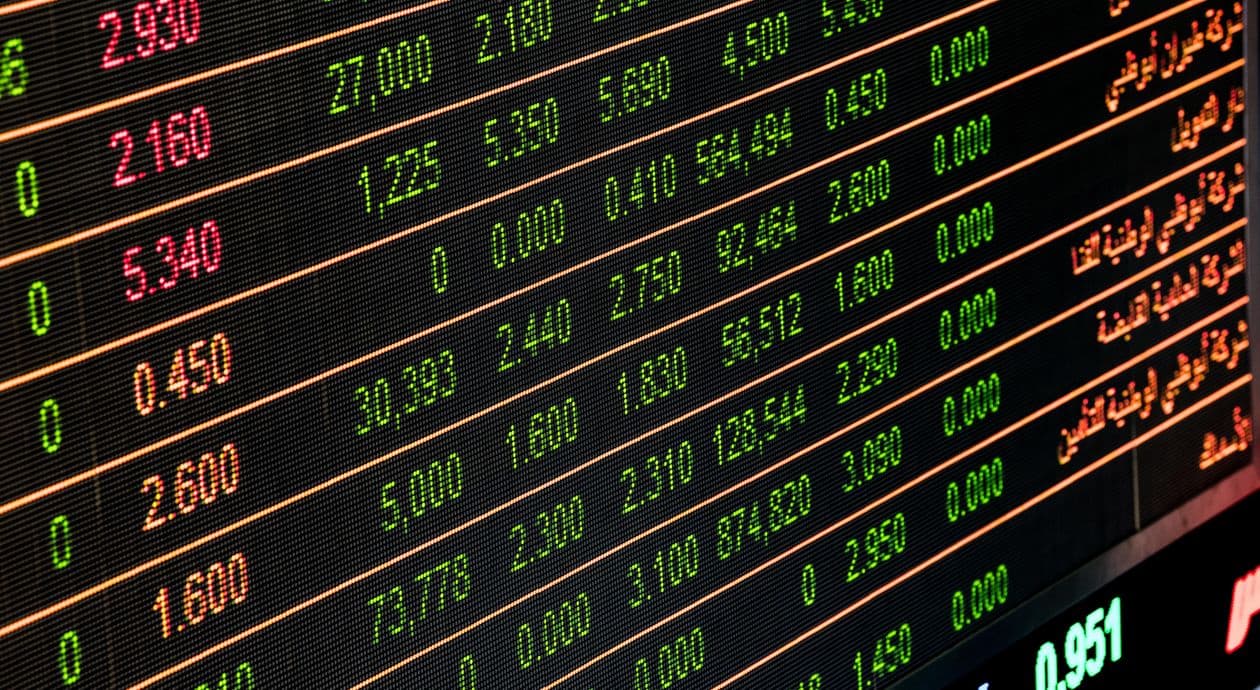
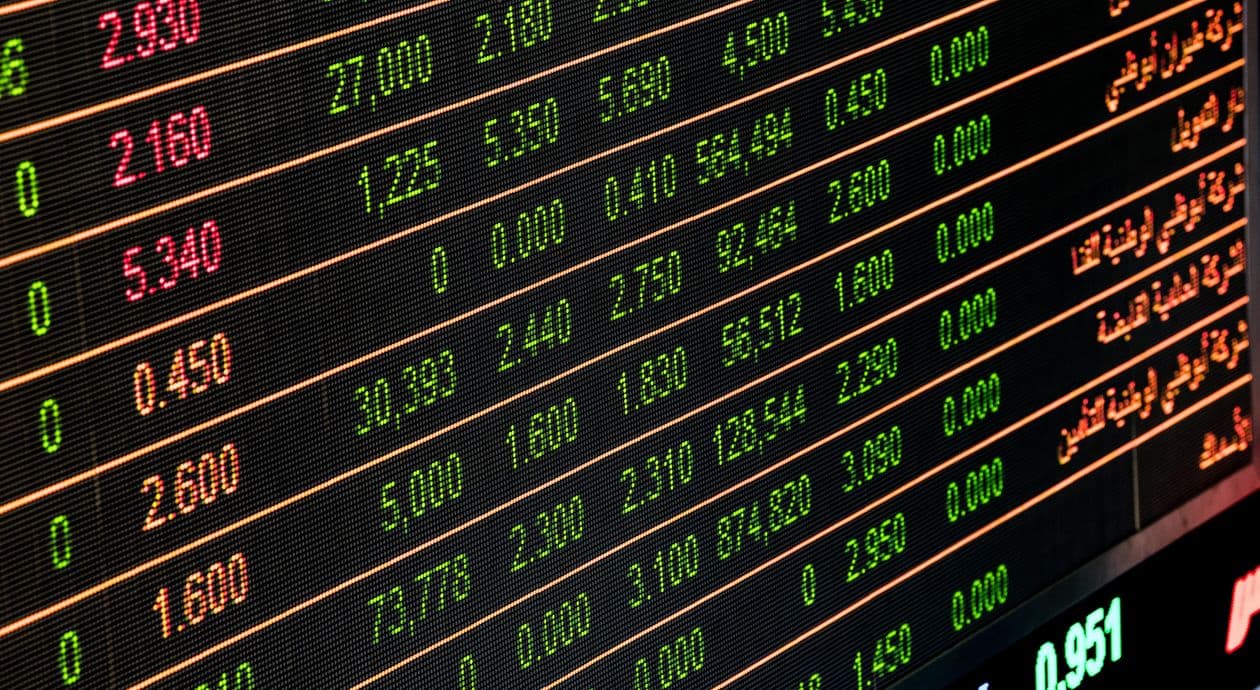
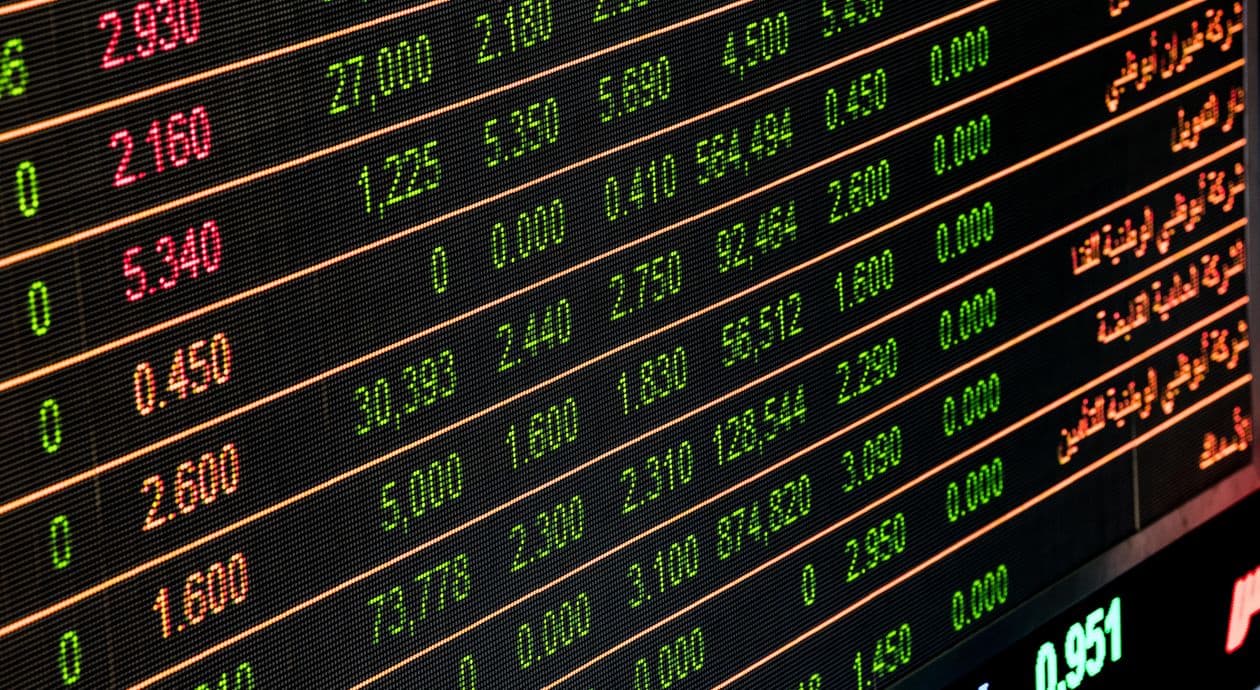
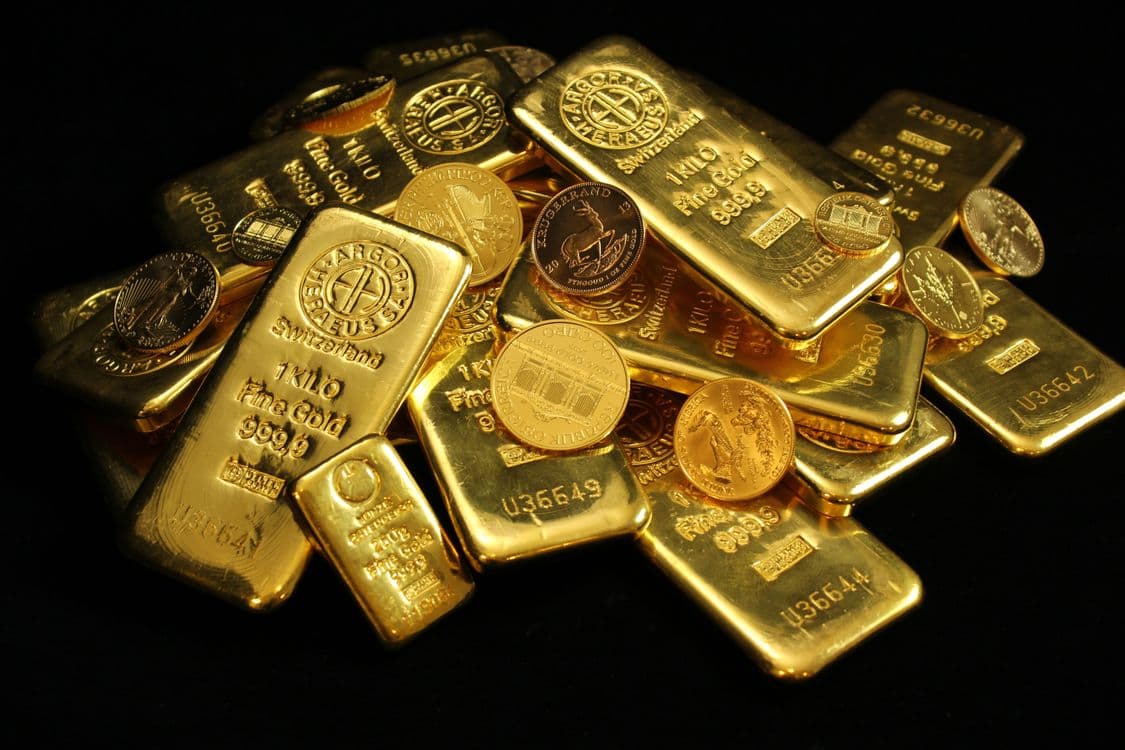
The price of gold is hovering around 4,195.90 dollars per ounce, close to the record levels reached during this year of conflict-driven anxiety, as markets wait to learn whether the proposed deal to reopen the Strait of Hormuz will hold.
Trading has been choppy. December gold futures opened Wednesday at 4,133.80 dollars, down 0.5 percent from the Tuesday close, before spot prices recovered strongly - at one stage up 119.10 dollars, or 2.92 percent, on the day - as traders weighed conflicting signals from the talks.
The tug of war is direct: progress towards a Qatar-brokered agreement reduces the fear that has driven gold demand, while any sign of the negotiations stumbling sends buyers straight back to the metal.
The moves came on the same day Brent crude fell more than 6 dollars a barrel on deal optimism, and US stock indices pushed to fresh record highs.
Why it matters
Gold is the market barometer of fear. It pays no interest and generates no profits, so investors hold it mainly as insurance against inflation, conflict and financial stress. A price above 4,000 dollars tells you how much insurance the world has felt it needed in 2026.
The metal has climbed dramatically during the US-Iran conflict, as central banks, funds and households bought protection against an oil shock and the inflation it would bring. Whether it holds these levels now depends largely on the outcome of the Hormuz talks.
Central bank buying adds a structural layer beneath the price: many countries, notably in Asia, have spent recent years shifting reserves from dollars into bullion, providing a floor under the market that did not exist a decade ago.
For ordinary investors, the gold price also moves the value of a popular corner of many portfolios - gold funds, ETCs and even jewellery - and signals how professional money is reading geopolitical risk.
Explained simply
Gold works like a fire extinguisher for a portfolio - you buy it hoping never to need it, and its price jumps whenever investors smell smoke.
When war, inflation or financial stress threatens, assets that depend on profits and promises - shares, bonds, currencies - all carry risk of disappointment. Gold depends on nobody keeping a promise, which is precisely its appeal in a crisis.
This year the smoke has been real: a conflict near the most important oil chokepoint on earth. Investors bought the extinguisher, and its price rose to records above 4,000 dollars.
Now the fire may be going out. If the strait reopens and stays open, some of the fear premium in gold should deflate, which is why prices wobbled this week even as they held high. If talks collapse, the opposite happens - instantly.
That is why gold and oil are currently moving to the same news in opposite emotional directions: oil falls as fear recedes, while gold decides how much insurance the world still needs.
What it means for you
Anyone holding gold funds or physical coins has enjoyed a spectacular year, with prices roughly 15 percent higher than needed to simply track inflation. It may be worth rebalancing if gold has grown into an outsized share of your portfolio.
For those considering buying now, understand what you are purchasing at 4,196 dollars: insurance at a historically expensive premium. If peace holds, gold could drift meaningfully lower; most advisers suggest keeping gold to around 5 to 10 percent of a portfolio at most.
UK savers can access gold through low-cost exchange traded commodities inside an ISA or SIPP, avoiding the storage and insurance costs of physical bars. Royal Mint coins such as sovereigns are capital gains tax free for UK residents, a quirk worth knowing for larger holdings.
Remember gold pays no income while savings accounts pay around 4.5 percent - holding cash is not costless, but neither is holding metal.
The bigger picture
Gold above 4,000 dollars would have sounded fantastical three years ago; the level reflects an era of conflict, sticky inflation and central banks diversifying away from the dollar. Those structural forces will not vanish even if the Hormuz deal succeeds.
Watch the outcome of the Qatar proposal, central bank purchase data, and the September interest rate decisions - lower rates reduce the penalty for holding an asset that pays no interest, and would cushion gold even in a calmer world.