What happened
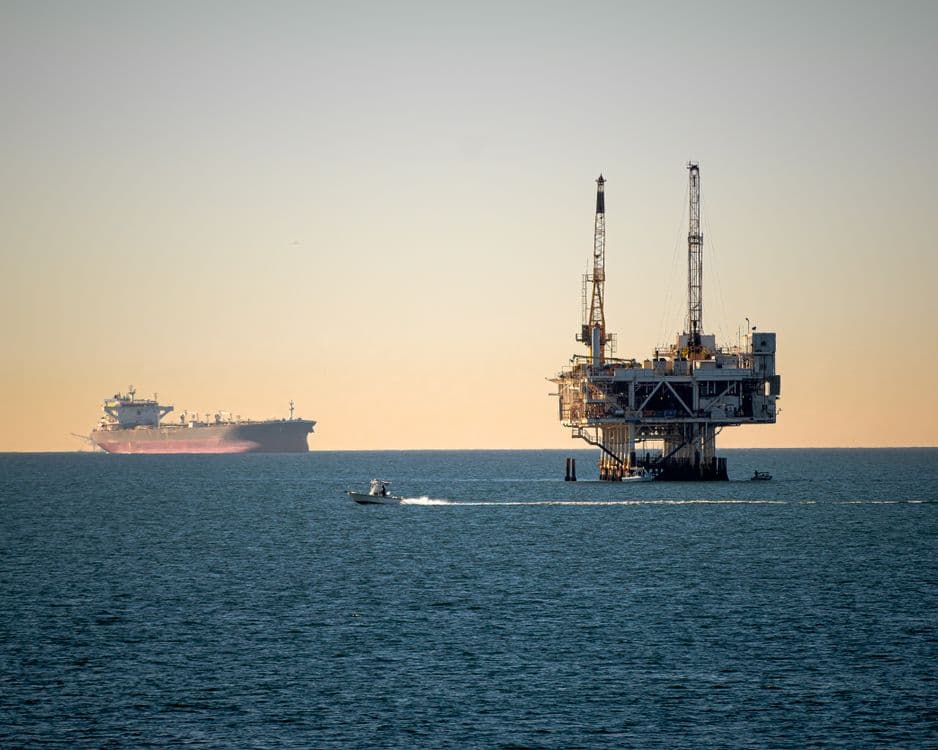
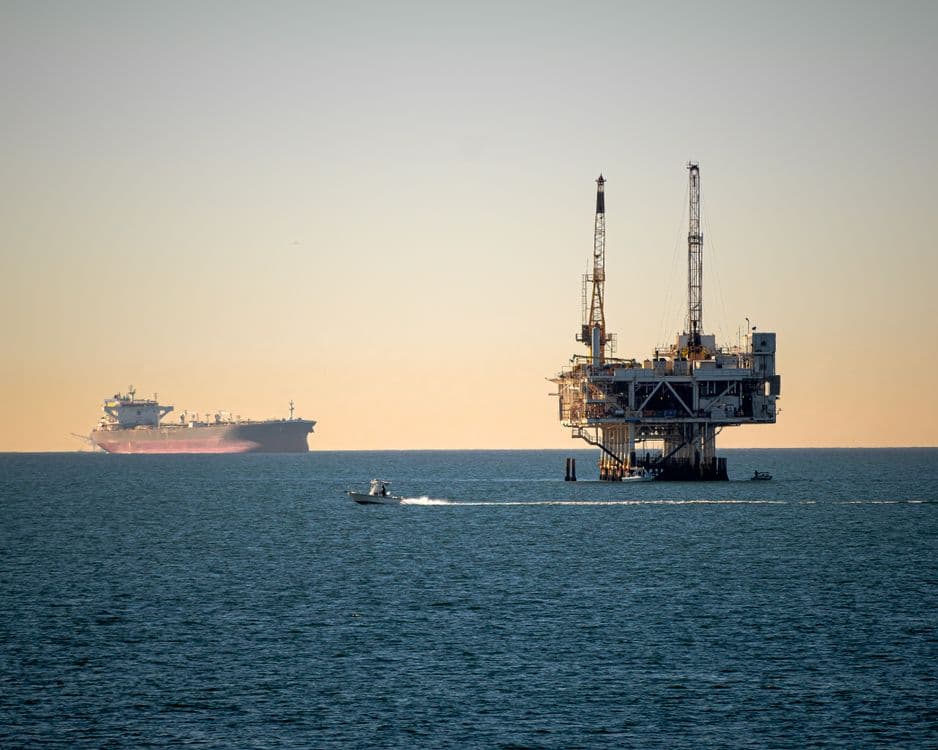
The price of Brent crude, the international oil benchmark, fell 6.09 dollars in a single day to 83.72 dollars a barrel, one of the steepest daily drops of the year, as diplomatic momentum built towards reopening the Strait of Hormuz.
Qatar is drafting an interim proposal to end the disruption that has choked the waterway since hostilities between the United States and Iran escalated earlier this year. Both Washington and Tehran have signalled progress in the talks, and traders moved quickly to price in the possibility of restored supply.
Even after the fall, oil remains expensive by recent standards - roughly 15.38 dollars a barrel higher than at this time last year, a legacy of months of conflict-driven supply fears.
European stock markets took the news well, with the FTSE 100 rising 0.4 percent, while gold held near record levels as investors waited to see whether the deal would stick.
Why it matters
Oil is the single most important price in the world economy. It feeds directly into petrol and diesel, airline fares, shipping costs and plastics, and indirectly into the price of almost everything that travels on a lorry - which is nearly everything.
The recent energy spike has been a headache for central banks. UK inflation eased to 2.6 percent in June partly because fuel prices dipped during a pause in the conflict, then pressure returned when hostilities resumed. A durable reopening of Hormuz would remove one of the biggest upside risks to inflation in the second half of 2026.
For the Bank of England, which has held interest rates at 3.75 percent while it watches energy costs, cheaper oil strengthens the case for eventual rate cuts. The same logic applies at the Federal Reserve and the European Central Bank.
The 6 dollar drop happened on optimism alone, before a single extra tanker sailed - a reminder of how much geopolitical fear premium is baked into the current price.
Explained simply
The Strait of Hormuz is like the single open checkout lane in a giant supermarket - roughly a fifth of global oil has to squeeze through it, so even a rumour that the lane might reopen fully changes prices everywhere.
Around one in every five barrels of oil consumed worldwide passes through this narrow stretch of water between Iran and Oman. There is no practical alternative route for most of it, which is why threats to the strait move prices so violently.
Oil is traded on expectations, not just current supply. Traders buy and sell contracts for future delivery, so the price today reflects what the market believes supply will look like months ahead. News that diplomats are drafting a deal changes those beliefs instantly.
That is why prices fell 6 dollars before anything physically changed. If the deal collapses, the move will reverse just as fast - the price is a running vote on the probability of peace.
The 15 dollar premium over last year is the cost of that lingering uncertainty: the market is still charging insurance against the talks failing.
What it means for you
Pump prices follow crude with a lag of two to four weeks. If Brent holds near 83 dollars or falls further, UK petrol prices should start easing towards the end of August - a saving of a few pounds per tank for a typical driver.
Cheaper oil also feeds through to lower inflation over the autumn, which supports the value of wages and savings in real terms and improves the odds of interest rate cuts. Anyone on a tracker mortgage or approaching a remortgage has a direct stake in these talks.
Energy bills matter too: gas prices often move in sympathy with oil, so a durable deal would help limit the January price cap.
Investors holding energy shares - BP and Shell are FTSE 100 heavyweights - may see those stocks lag if oil keeps falling, though diversified tracker holders will barely notice against gains elsewhere.
The bigger picture
Oil shocks have preceded most recessions of the past half century, which is why markets celebrate any de-escalation so enthusiastically. A resolution would remove the biggest single threat hanging over the global economy in 2026.
Watch three things: whether Qatar formalises the interim proposal, tanker traffic data through the strait, and the September central bank meetings, where cheaper energy could tip decisions towards cutting rates.