What happened
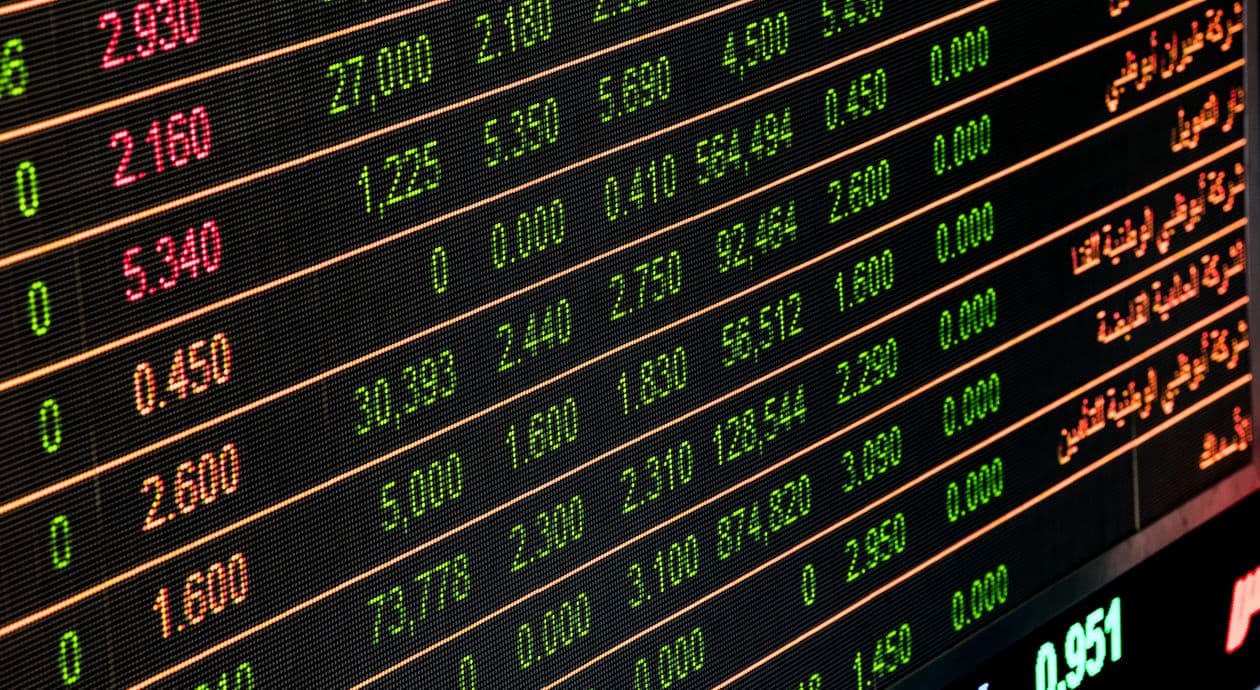
Oil prices extended their gains on Friday as uncertainty deepened over the future of the Strait of Hormuz, the narrow waterway between Iran and Oman through which roughly a fifth of the world oil supply passes. Brent crude, the global price benchmark, rose 99 cents, or 1.2 per cent, to 83.48 dollars a barrel, while US West Texas Intermediate gained 85 cents, or 1.1 per cent, to 78.84 dollars.
The latest move came after Iran proposed strict new conditions for allowing shipping back through the strait. Under the proposal, US and Israeli vessels would be prohibited from transiting, countries deemed hostile would have to pay compensation before being granted passage, and violators would face penalties equivalent to 20 per cent of the value of the cargo their vessel carries.
Tehran also said a full reopening of the strait would depend on the lifting of the US maritime blockade, tying the fate of the waterway to a broader standoff that has simmered since fighting flared earlier this year.
In a partial concession, Iran said it had agreed a temporary shipping route with Oman, expected to remain operational for two to four months. Officials on both sides stressed this would not amount to a full reopening of the waterway.
Why it matters
Oil is the raw material of the world economy. It powers transport, feeds into plastics and chemicals, and drives the cost of moving every product to every shelf. When crude rises, the effects spread into petrol prices within weeks and into food and goods prices within months.
The timing is awkward for central banks. The Federal Reserve, the Bank of England and the European Central Bank have all been edging towards interest rate cuts as inflation cools, and Friday brought fresh evidence of a weakening US jobs market. A sustained oil rally would push inflation back up just as policymakers prepare to ease, forcing them to choose between supporting growth and containing prices.
Businesses feel it first. Airlines, hauliers, shipping firms and manufacturers all face higher fuel and freight costs, and rerouting vessels away from the Gulf adds days and expense to journeys. Those costs rarely stay on company books for long; they get passed to customers.
Explained simply
The Strait of Hormuz is like the single checkout lane serving a fifth of the world oil supply: when someone threatens to slow the queue, every shopper on earth pays a little more, whether or not the lane actually closes.
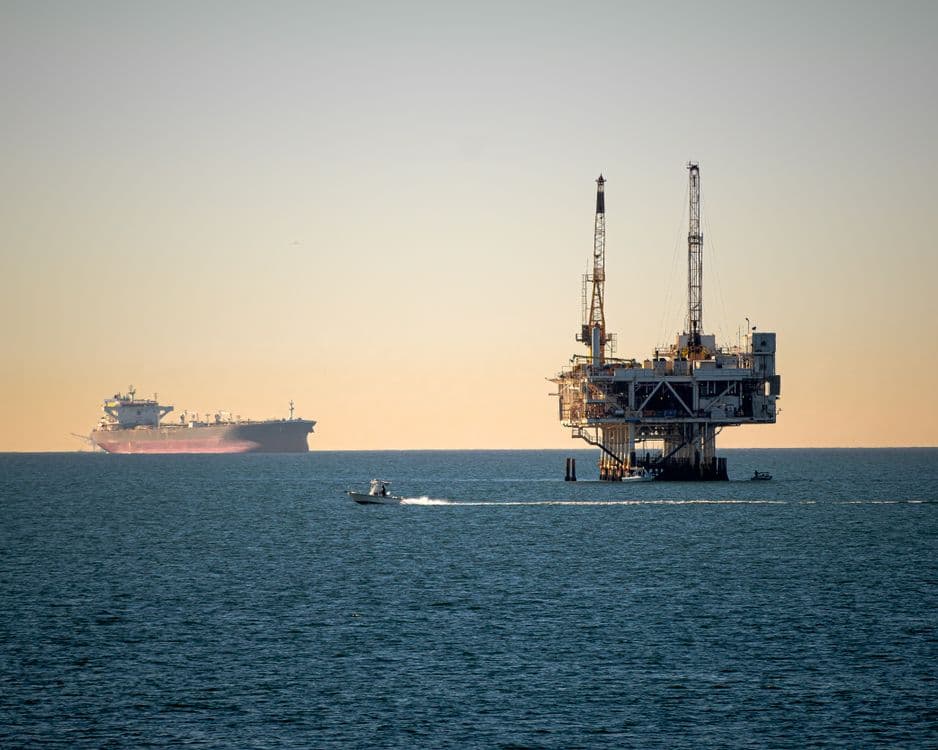
The strait is only about 33 kilometres wide at its narrowest point, and there is no pipeline network big enough to replace it. Tankers leaving the giant oilfields of Saudi Arabia, Iraq, Kuwait, Qatar and the United Arab Emirates mostly have no other way out. That makes it the most important chokepoint in global energy.
Crucially, oil traders do not wait for supply to actually stop. They price in the probability of disruption, known as a risk premium. Every new condition Iran attaches to reopening raises that probability a little, which is why prices climbed on Friday even though tankers are still moving and a temporary route via Oman now exists.
From there the chain to your wallet is short. Wholesale petrol tracks crude with a lag of two to four weeks, wholesale gas and electricity prices often move in sympathy, and transport costs seep into the price of everything from bread to trainers.
What it means for you
At the pump, a rough rule of thumb is that a sustained 10 dollar move in Brent adds around 5 to 7 pence to a litre of UK petrol over the following month. Brent in the low 80s is still far below crisis levels, but the direction matters: filling a typical 55 litre tank already costs a few pounds more than it did in the spring.
Energy bills respond more slowly. The UK price cap is reset quarterly using wholesale prices, so a sustained oil and gas rally this summer would show up in bills from the autumn onwards rather than immediately.
The bigger household effect is indirect: if oil keeps inflation sticky, the Bank of England will be slower to cut interest rates from the current 3.75 per cent, which delays relief for mortgage borrowers while keeping savings rates higher for longer. Investors holding FTSE 100 trackers get a partial hedge, since heavyweights Shell and BP tend to rise with crude.
The bigger picture
Markets have lived with Hormuz risk for decades, but this year is the closest the world has come to a prolonged closure in modern times. The temporary Oman corridor suggests both sides want to avoid a full shutdown, which is why prices are elevated rather than exploding.
The things to watch are concrete: whether the temporary route actually carries meaningful volumes, whether the US responds to the proposed transit conditions, and whether OPEC members outside the Gulf lift production to compensate. Any sign of a lasting deal could pull Brent back towards the 70s just as quickly as it rose.