What happened
US wholesale prices were unchanged in July, coming in below the 0.2 percent monthly increase economists had pencilled in and following a 0.1 percent fall in June. The producer price index, or PPI, measures the prices businesses receive for their goods and services before they reach shops and consumers, which makes it an early warning signal for the inflation households eventually face.
The flat headline number hid a split beneath the surface. Goods prices declined during the month, helped by softer energy and raw material costs, while the cost of services rose, a sign that inflation pressures have not fully disappeared from the US economy. On an annual basis the index rose 4.7 percent, down from 5.5 percent in June but still far above the levels central bankers would consider comfortable.
The release landed a day after the July consumer price report showed annual inflation of 3.4 percent, broadly in line with expectations. Together the two readings shifted market pricing: according to futures markets, the probability of the Federal Reserve raising interest rates at its meeting on 15 and 16 September fell to around 42 percent, down from roughly 50 percent earlier in the week.
Why it matters
The Federal Reserve has been in an unusual position this year, openly weighing rate hikes rather than cuts, with its main rate sitting at a range of 3.50 to 3.75 percent. Every inflation release therefore carries extra weight, because it either strengthens or weakens the case for tightening policy again.
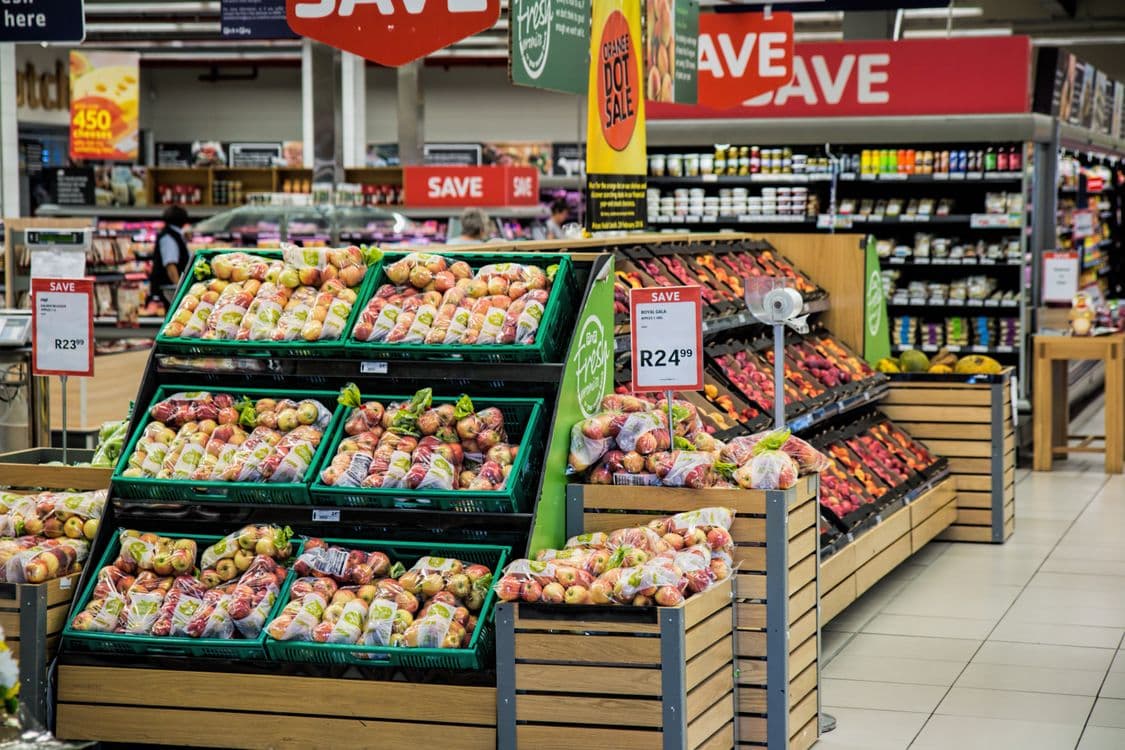
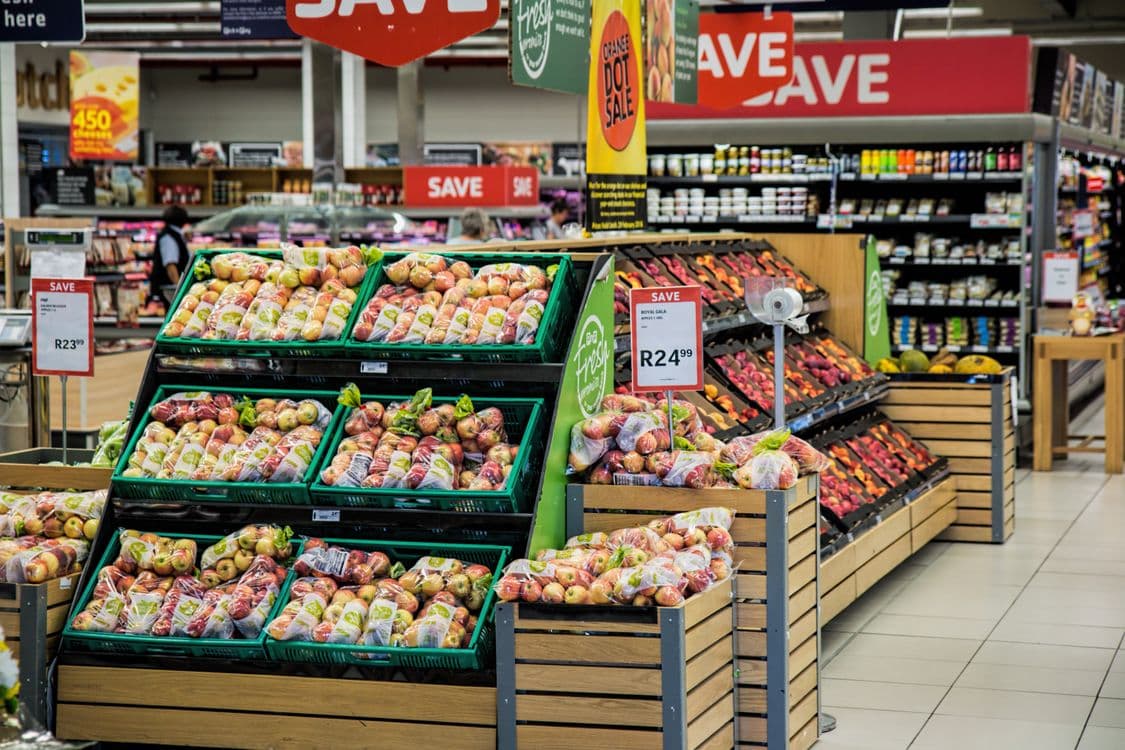
Producer prices matter because they tend to flow downstream. When wholesalers pay more for materials, transport and services, those costs usually appear on supermarket shelves and utility bills within months. A flat month suggests the pipeline of future consumer inflation is not building as quickly as feared.
For businesses, calmer wholesale prices ease pressure on margins and reduce the need to pass costs on to customers. For markets, the report was a relief: bond yields eased and share prices rose as investors dialled back the risk of tighter borrowing conditions hitting company profits and consumer spending.
Explained simply
Think of the PPI as the temperature in the kitchen of a restaurant: if it is cooling there, the dining room, where consumers sit, usually cools soon after.
Producers are the kitchen of the economy. They buy ingredients, energy and labour, prepare products, and send them out front. The prices they charge are set before the customer sees the menu, so measuring them tells you what the bill will look like in a few months.
In July the kitchen bill did not rise at all. Ingredient costs, the goods side, actually fell, while the cost of staff and services rose a little. Netted out, the overall temperature held steady, which is why traders concluded the Federal Reserve may not need to turn down the heat with another rate rise.
The 4.7 percent annual figure shows the kitchen is still warmer than normal, just less scorching than it was in June. The direction of travel, rather than the level, is what moved markets this week.
What it means for you
Although this is US data, it reaches UK wallets through several channels. Pensions and stocks and shares ISAs invested in global or S&P 500 tracker funds rose on the news, since lower rate hike odds support US share prices, and US equities dominate most global funds.
A Federal Reserve that stays on hold also tends to soften the dollar, which affects holiday money, petrol prices set in dollars, and the cost of imported goods. Sterling was trading near 1.35 dollars on Thursday, and a calmer Fed outlook helps keep that rate steady.
If US inflation had surprised on the upside, global borrowing costs, including the pricing of UK fixed rate mortgages via bond markets, could have drifted higher. This report leans the other way, which is modest good news for anyone remortgaging in the coming months.
The bigger picture
The next major test is the US personal consumption expenditures report on 26 August, the inflation measure the Federal Reserve watches most closely, followed by the rate decision in mid September. After surprise job losses in July, a run of soft data could take a 2026 hike off the table entirely.
The wider story is a central bank trying to finish the job on inflation without breaking a slowing economy. July delivered evidence that patience, rather than another rate rise, may be enough.