What happened
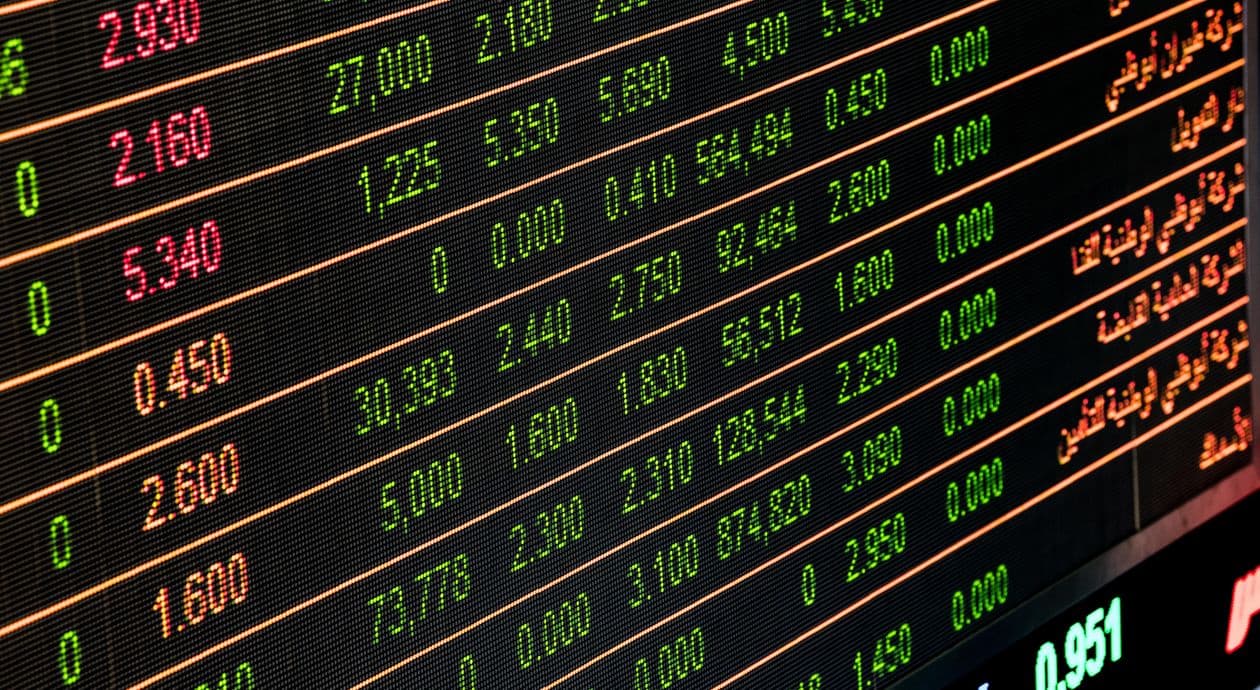
The FTSE 100 closed at 10972.06 on Thursday, a rise of 0.58 percent, after touching an all time intraday high of 10978.87 during the session. That surpassed the previous record close of 10951.06 set the day before, and extended a run that produced an earlier intraday peak of 10989 points on 31 July.
The composition of the rally matters as much as the level. Gains were concentrated in energy majors, banks and what the market calls defensive stocks — companies such as utilities, tobacco and consumer staples whose revenues hold up whether or not the economy is growing. These are precisely the sectors that dominate the London index and that global investors ignored for most of the past decade.
London has outperformed several international peers over recent sessions. That is unusual. For years the FTSE 100 lagged Wall Street because it owns very little of the technology complex that drove global returns. The same absence has become an advantage in a month marked by volatility in US technology shares, with London offering earnings that are cheap, cash generative and largely uncorrelated with artificial intelligence sentiment.
The move came despite genuine headwinds, including unresolved questions about the path of global interest rates and continued geopolitical tension in the Middle East. Indeed the Middle East tension is part of the explanation, since higher oil prices flatter Shell and BP, two of the largest constituents by weight in the index.
Why it matters
The FTSE 100 is not a thermometer for the British economy, and treating it as one leads people badly astray. Roughly three quarters of the revenue earned by its member companies comes from outside the United Kingdom, so the index is better understood as a basket of global businesses that happen to be listed in London and reported in sterling.
That distinction explains how the index can hit records while UK growth is forecast at just 0.7 percent for 2026 and unemployment sits at 4.9 percent. The two facts are not contradictory. A weaker pound actually raises the sterling value of dollar earnings, which mechanically lifts the index even if nothing improves domestically.
Where it does touch British households directly is through pensions. Most UK workplace pension default funds hold a meaningful allocation to UK large capitalisation equities, and many personal investors own a FTSE 100 tracker as a core holding. A record index level means those balances are at or near record values, which is genuinely good news for anyone approaching retirement.
It also matters for the London market as a venue. The exchange has spent several years losing listings to New York and watching UK companies trade at persistent discounts to international peers. A sustained record run is the strongest argument available that the discount is closing, which may slow the drift of new listings overseas.
Explained simply
The FTSE 100 is like a supermarket trolley that someone filled in 1984 and rarely updated. It is heavy on oil, banks, mining and cigarettes, and light on anything invented since. For years that trolley looked embarrassing. This year the old fashioned contents are exactly what shoppers want.
An index is simply a weighted average of share prices, with bigger companies counting more. The FTSE 100 tracks the hundred largest companies listed in London, weighted by market value, so a 2 percent move in a giant such as Shell shifts the index far more than a 10 percent move in a smaller constituent.
Because the index skews toward oil, mining, banks and consumer staples, its performance depends heavily on commodity prices and interest rates rather than on British high street activity. When oil rises, the index tends to rise. When banks earn wider margins on lending, the index tends to rise. Neither requires the UK economy to be doing well.
The word defensive describes companies people keep paying in a downturn. Households cancel holidays before they cancel electricity or toothpaste. Investors rotate into these names when they are uncertain about growth, which is why a record London high can coexist with quite gloomy economic commentary.
What it means for you
If you hold a FTSE 100 tracker or a UK equity income fund, this is a good moment to check whether your overall portfolio has drifted. A strong run in one region raises its share of your total holdings, so a portfolio that started at 30 percent UK could now be closer to 35 percent without you doing anything. Rebalancing back to your intended split is the discipline that makes records useful rather than dangerous.
Record highs are a poor reason to buy and an equally poor reason to sell. Indices spend a large share of their history near record levels, because that is what long term growth looks like. What matters more is the starting valuation, and UK large companies still trade at lower multiples of earnings than their US equivalents, with dividend yields around 3 to 4 percent on many index constituents.
For pension savers, this is a sensible moment to log in and look at your actual fund choice rather than just the balance. Many default funds sit in a global blend where the UK is only 4 percent of the total. If you consciously want UK exposure at these valuations, that usually requires an active decision rather than the default option.
If you are within a few years of drawing a pension, a record level is exactly when de risking conversations are worth having. Moving a portion into lower volatility assets after a strong run locks in gains you have already made rather than hoping the run continues.
The bigger picture
The FTSE 100 spent an extraordinary period going nowhere. It first passed 6900 points in December 1999 and did not durably exceed that level until 2015, a lost decade and a half that shaped how a generation of British savers think about shares. Moving from 7000 to nearly 11000 in the space of a few years is a meaningful break from that pattern.
What to watch next is whether the rally broadens beyond energy and banks. A record driven by two sectors is more fragile than one supported across the index. Also worth watching is the pound, since sterling strength would trim the sterling value of overseas earnings and act as a headwind even if the underlying businesses perform well.