What happened
The United States shed 23,000 jobs in July, a startling miss against economist forecasts for a gain of roughly 80,000 positions. It is the clearest evidence yet that the American labour market, which had been the strongest pillar of the expansion, is now bending under the weight of high borrowing costs and rising import tariffs.
The jobs figure did not arrive alone. Retail sales fell 0.6 percent in July against expectations for a 0.1 percent rise. The University of Michigan consumer sentiment index, a monthly survey asking Americans how they feel about their own finances and the wider economy, dropped to 51.0 in August from 55.2 in July. Producer prices, which track what factories and wholesalers charge before goods reach the shop shelf, were flat on the month.
Markets reacted within minutes. According to the CME FedWatch tool, which converts interest rate futures prices into implied probabilities, the chance of the Federal Reserve raising its policy rate at the September meeting fell to roughly 32 percent, down from 35 percent on Thursday and 51 percent as recently as Tuesday. The probability that the Fed instead holds rates steady climbed to 56 percent.
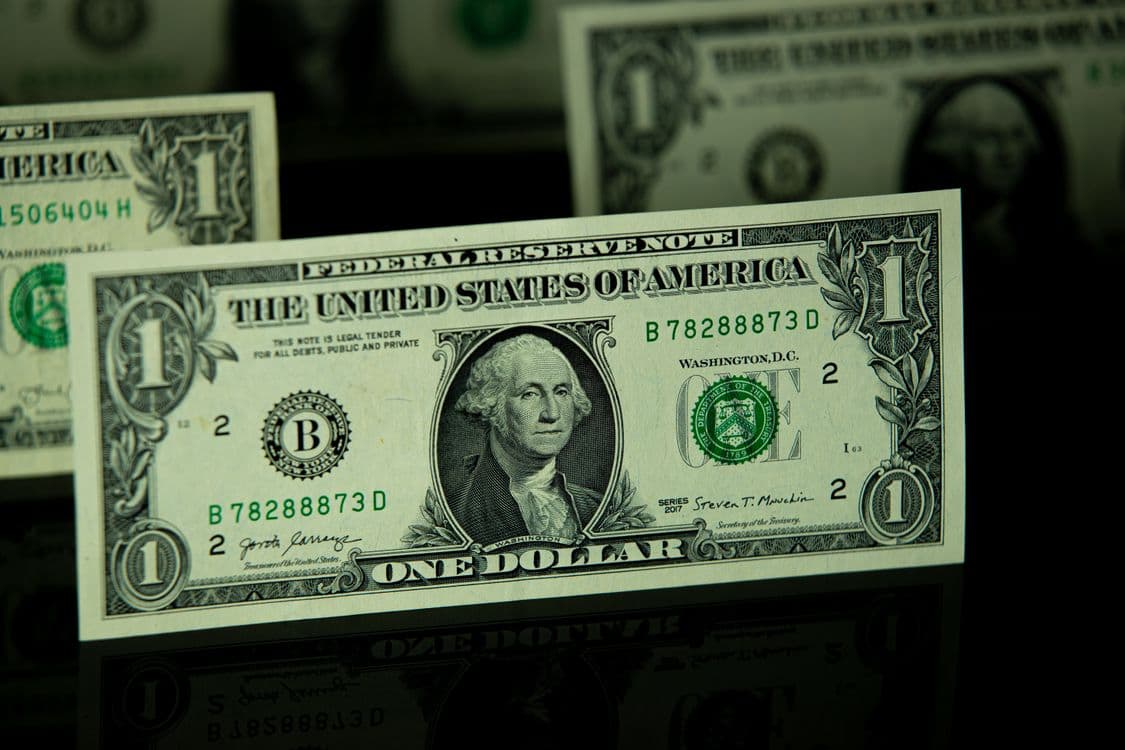
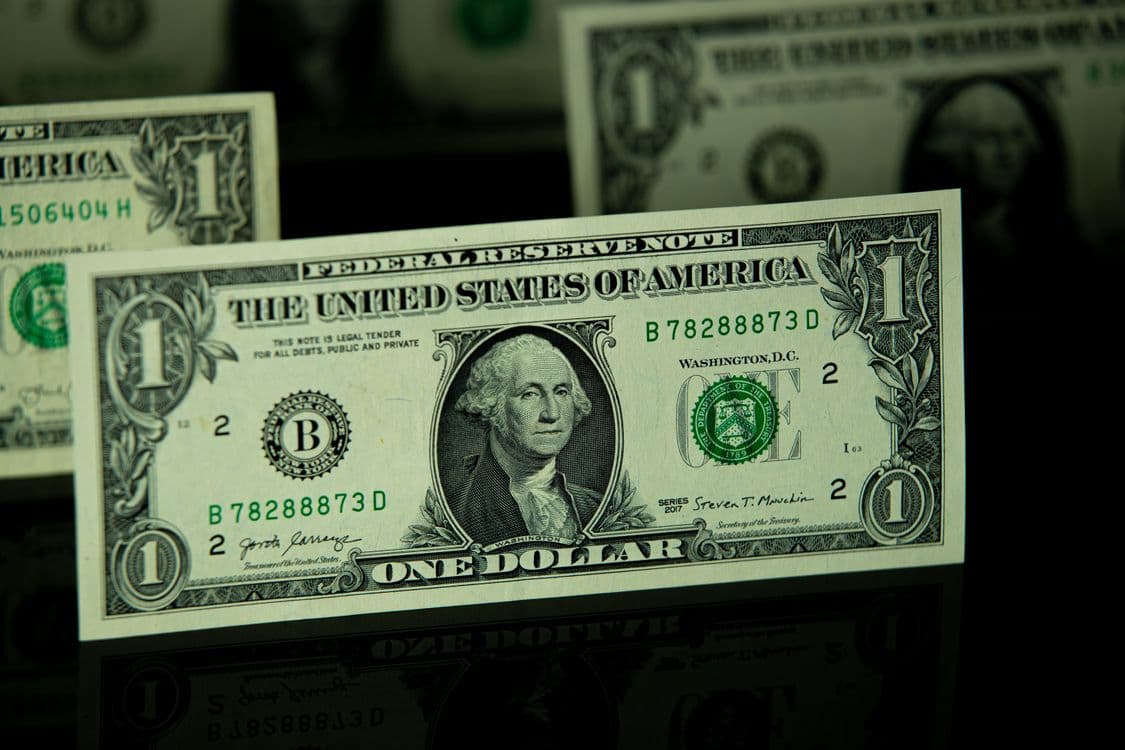
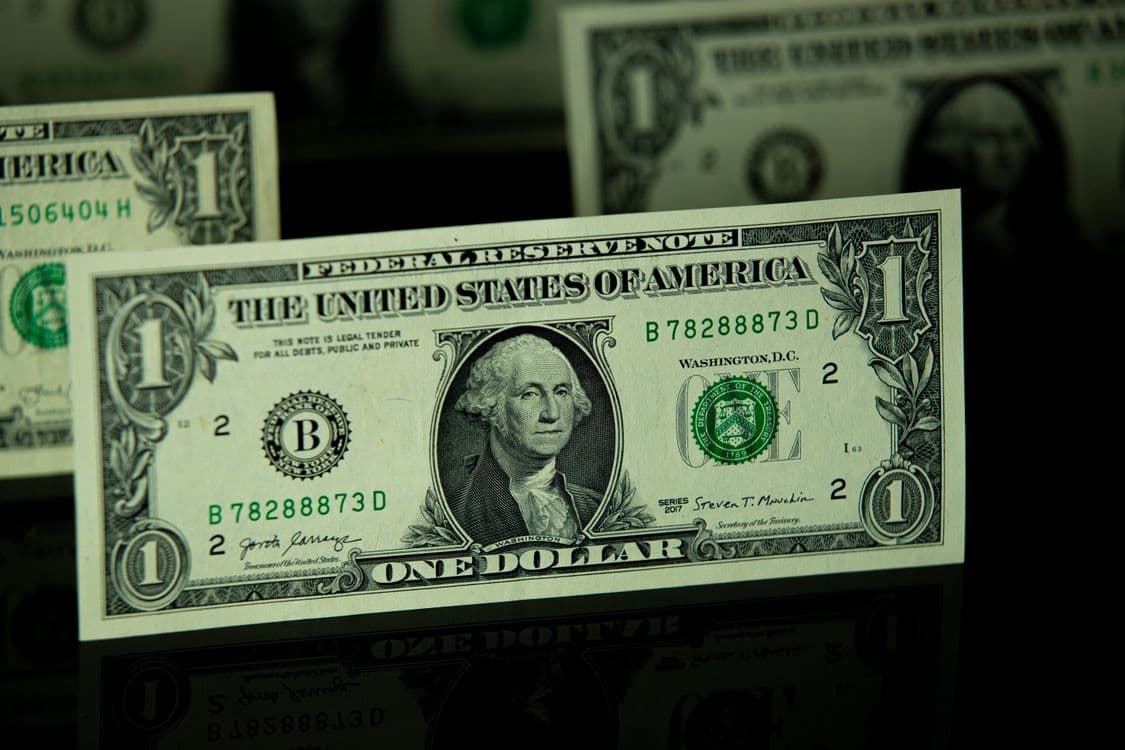
The dollar absorbed the blow. The US Dollar Index, which measures the currency against a basket of six major peers, slipped to around 99.50, a fall of 0.47 percent on the day. The euro rose 0.39 percent to 1.1568 dollars.
Why it matters
The Federal Reserve sets the price of money for the largest economy on earth, and almost every other borrowing cost in the world takes its cue from that decision. When the Fed looks less likely to raise rates, mortgage rates, corporate loan costs and government bond yields tend to ease everywhere, including in Britain.
What makes this moment unusual is the direction of travel. For most of the past two years the debate was about how quickly rates would come down. It has now flipped: the war and rising tariffs have pushed inflation risks back up, so the live question is whether the Fed needs to tighten again. A shrinking jobs market is the strongest argument against doing so.
For workers, a negative payroll print is more than a statistic. It means firms are not just slowing their hiring but actively cutting headcount. That tends to show up first in wage growth, then in job security, and finally in consumer spending, which drives roughly two thirds of US economic output.
For savers and investors, the effect runs the other way. Shares generally rally when rate hike fears recede, because future company profits are discounted at a lower rate and because cash in the bank becomes relatively less attractive.
Explained simply
The Fed is driving a lorry down a steep hill with worn brakes. Press too hard and the load shifts and jobs go flying. Press too gently and inflation builds speed. July suggested the brakes are already biting harder than anyone realised.
Interest rates are the main lever a central bank pulls to control how much money moves through the economy. Raise them and borrowing becomes expensive, so households delay big purchases and firms shelve expansion plans. Demand cools and prices rise more slowly. Cut them and the reverse happens.
The catch is that the lever works with a long delay, usually twelve to eighteen months. The rate rises of last year are only now feeding into hiring decisions. So when a jobs number lands 100,000 below forecast, it tells the Fed the medicine already administered is working faster and harder than the models predicted.
That is why traders reversed course so sharply. The FedWatch probabilities are not opinions; they are real money wagered on interest rate futures. When those odds swing nineteen points in three days, it means large institutions have genuinely changed their minds about what happens next.
The dollar falls in that scenario for a simple reason. Global investors park money wherever it earns the most safe interest. If US rates are no longer heading up, some of that money leaves, and the currency softens against the euro and the pound.
What it means for you
A weaker dollar makes sterling go further. If you are travelling to the United States or buying from US retailers, the move from roughly 1.32 toward the mid 1.30s against the pound quietly improves your purchasing power by a few percent.
If you hold a global tracker fund, and most workplace pensions do, remember that around 65 percent of a typical world index sits in US shares. A falling dollar reduces the sterling value of those holdings even when the shares themselves rise. Currency hedged share classes remove that effect, and they are worth checking if dollar weakness persists.
For cash savers, nothing changes immediately. UK easy access rates are set by the Bank of England, not the Fed. But global rate expectations feed into the swap markets that price UK fixed rate mortgages, so a durable shift lower in US rate expectations tends to pull five year fixed deals down over the following weeks.
The practical move is patience. If you are within six months of remortgaging, it is worth securing an offer now while keeping the option to switch if rates improve, since most lenders let you re-rate at no cost before completion.
The bigger picture
Negative payroll months are rare outside recessions. Since 2010 there have been only a handful, and most preceded either a genuine downturn or a decisive policy pivot. One month is not a trend, and revisions are common, but the combination of falling employment, falling retail sales and collapsing sentiment is harder to dismiss as noise.
The next signposts come quickly. Minutes from the last Federal Reserve meeting are published this week, and they will show how divided policymakers were about the inflation and tariff outlook. The annual Jackson Hole symposium follows shortly after, historically the venue where Fed chairs signal major shifts in direction.
Watch the August payroll report above all. A second negative month would take a September hike off the table entirely and start a very different conversation about whether the next move is a cut.