What happened
Brent crude rose above 92 dollars a barrel on Wednesday, a gain of roughly 16 percent in a fortnight from the 79 dollars it traded at on 6 August. Brent is the pricing benchmark for around two thirds of the oil traded internationally, which is why a move in Brent shows up on British forecourts rather than staying an abstract market number.
The trigger was a sharp escalation in regional tension. The United Arab Emirates announced a suspension of financial and economic transactions with Iran after accusing Tehran of launching ballistic missiles at its territory. President Donald Trump said there were no ongoing talks aimed at ending the conflict, removing the diplomatic off-ramp traders had been pricing in.
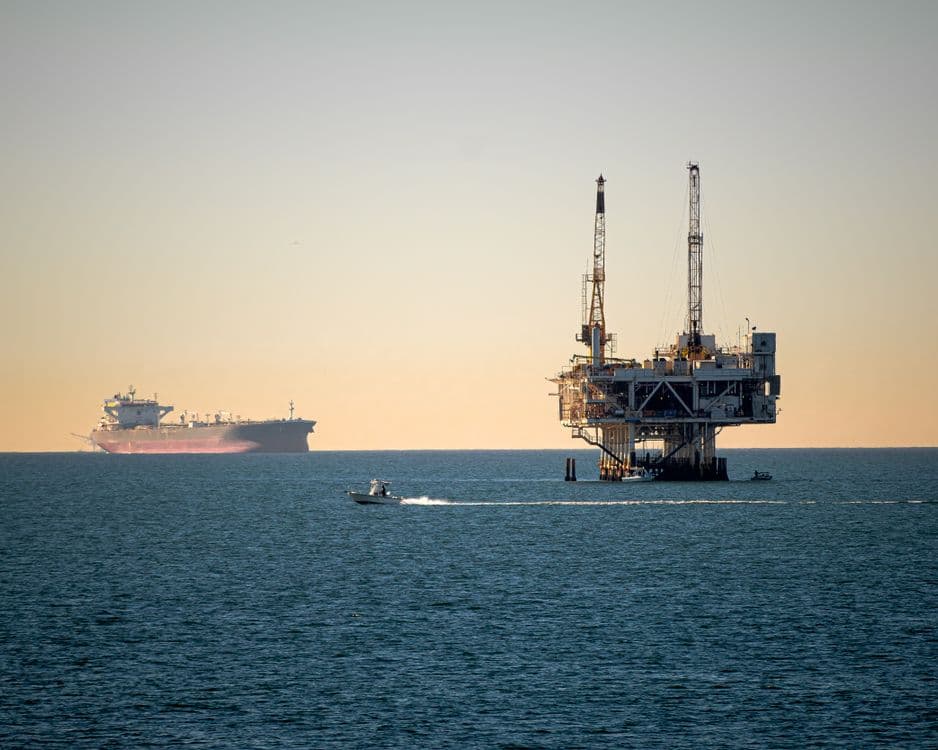
The most alarming detail concerned shipping. Three supertankers linked to China turned back while transiting the Strait of Hormuz, the narrow sea passage between Iran and Oman through which roughly a fifth of global oil consumption is carried every day. A separate vessel was reported struck by a projectile near the strait. Shipowners do not turn multi-hundred-million-dollar cargoes around lightly, and traders read those decisions as a better risk signal than any official statement.
This is the second spike of the summer. Brent reached as high as 105 dollars a barrel on 23 July after earlier attacks on tankers, before falling back through early August. The US Energy Information Administration had been forecasting a 75 to 85 dollar trading range for the period, a forecast now comfortably overtaken by events.
Why it matters
Oil is unusual among commodities because it sits inside the cost of almost everything else. It moves goods to shops, powers farm machinery, feeds into fertiliser and plastics, and fuels aircraft. A sustained rise in crude therefore leaks into the general price level within months rather than years.
That is precisely the problem facing central banks right now. The Bank of England has just seen UK inflation rise to 2.9 percent, with three of nine policymakers already voting for higher interest rates. Oil above 90 dollars makes their case stronger and makes any rate cut this year considerably less likely.
For companies, the effects split cleanly. Energy producers such as Shell and BP see profits rise directly with the crude price, which is one reason the FTSE 100 has held up better than many European indices. Airlines, hauliers, chemicals firms and retailers with large delivery fleets go the other way, absorbing costs they mostly cannot pass on quickly.
And for governments, high oil creates an unwelcome combination of slower growth and higher prices at once. That is the scenario policymakers least want, because the standard tools for fixing one make the other worse.
Explained simply
The Strait of Hormuz is a single-lane bridge carrying a fifth of the oil the world burns. It does not need to close to cause chaos. Drivers only need to fear that it might, and the queue backs up for miles.
Oil prices are set less by what is happening today than by what traders believe might happen next month. Because crude is bought and sold through futures contracts, agreements to buy a barrel at a set price on a future date, the market is essentially a rolling vote on future supply.
Physical supply through Hormuz has not actually stopped. What has changed is the probability traders attach to it stopping. When shipowners begin rerouting and insurers raise war-risk premiums, the cost of moving a barrel rises even if every barrel still arrives. That extra cost is real, and it lands in the price.
There is a second amplifier called spare capacity, meaning the volume producers could bring online quickly if supply were interrupted. When spare capacity is comfortable, markets shrug off geopolitical scares. When it is thin, every headline moves the price, because there is no obvious replacement barrel.
This explains the whipsaw pattern of the past two months, with Brent at 105 dollars in July, 79 dollars in early August and above 92 dollars now. The physical market has barely changed. The perceived risk has changed enormously.
What it means for you
The pump is the fastest transmission channel. UK forecourt prices typically follow crude with a lag of two to six weeks, and a 13 dollar move in Brent translates roughly into 5 to 8 pence per litre if it sticks. On a 55 litre tank filled weekly, that is around 20 pounds a month for a typical commuter.
Energy bills follow more slowly because the UK price cap is set from wholesale gas averages over a preceding window, and gas prices tend to move with oil. If crude stays above 90 dollars into September, the next cap review is likely to be less favourable than earlier forecasts assumed. Fixed tariffs are worth comparing now rather than after the next announcement.
Air fares are the third channel. Fuel is typically 25 to 30 percent of an airline cost base, and carriers hedge only part of it. Booking half-term and Christmas travel sooner rather than later is a reasonable hedge of your own.
For investors, a FTSE 100 tracker already gives you meaningful energy exposure, so most people do not need to add more. If you hold individual airline or logistics shares, be aware you are effectively short oil, and this environment is unkind to that position.
The bigger picture
Every major inflation episode of the past fifty years has had an oil shock somewhere in it, from 1973 to 1979 to 2022. The difference now is that developed economies use far less oil per unit of output than they did in the 1970s, so the same percentage move does less damage than it once did.
The key question is duration. A three-week spike that reverses will barely register in the annual inflation numbers. A price above 90 dollars sustained into the winter would reshape interest rate expectations across the UK, Europe and the United States.
Watch tanker traffic through Hormuz and war-risk insurance premiums rather than political statements. Shipping behaviour has been the more reliable indicator throughout this conflict, and it moves before the headlines do.