What happened
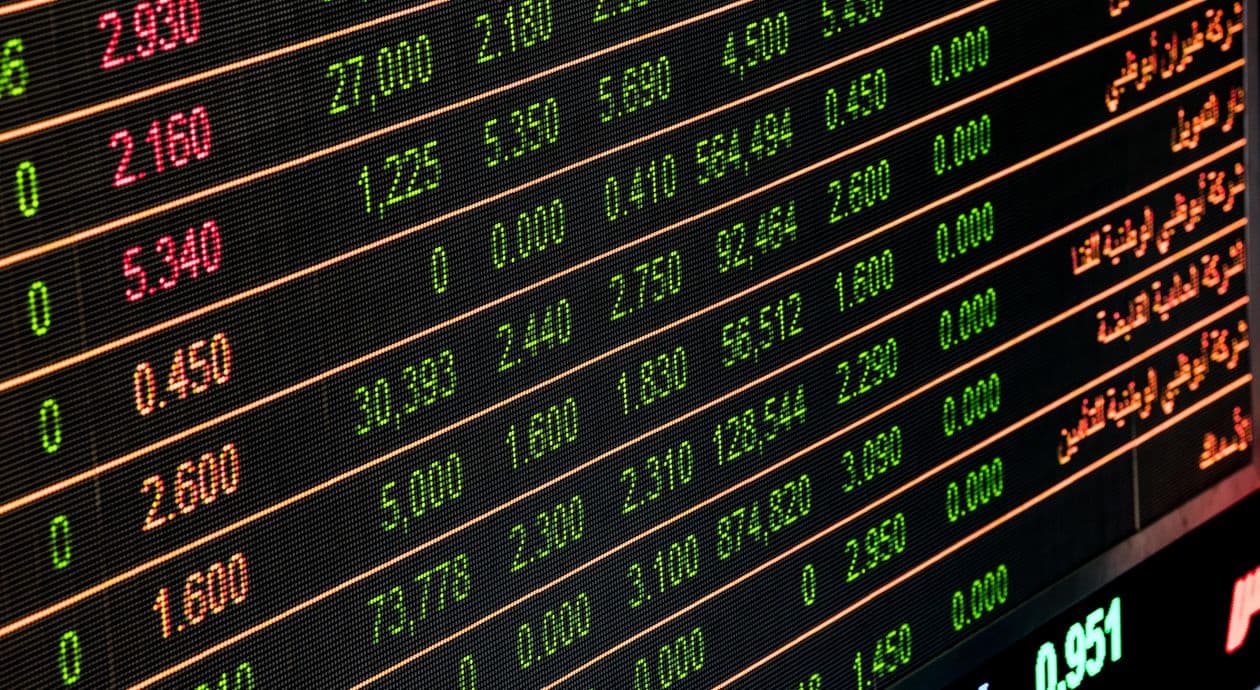
Brent crude, the global benchmark oil price used to value roughly two thirds of the worlds traded crude, fell toward 90 dollars a barrel on Tuesday, extending losses from the previous session. US crude dropped around 3 percent to about 82.50 dollars, adding to a 2.4 percent fall the day before.
The trigger was the detail of Washingtons latest pressure campaign on Tehran. Treasury Secretary Scott Bessent set out plans to isolate Iran through sanctions aimed at countries that continue trading with it, and President Donald Trump said those nations would be given a defined timeline to cut ties or face unilateral American penalties. China was reportedly not exempt.
On paper that sounds like escalation. Markets read it differently. Traders had been positioned for measures considerably more severe than what was announced, and when the reality proved milder, the risk premium built into the oil price came out.
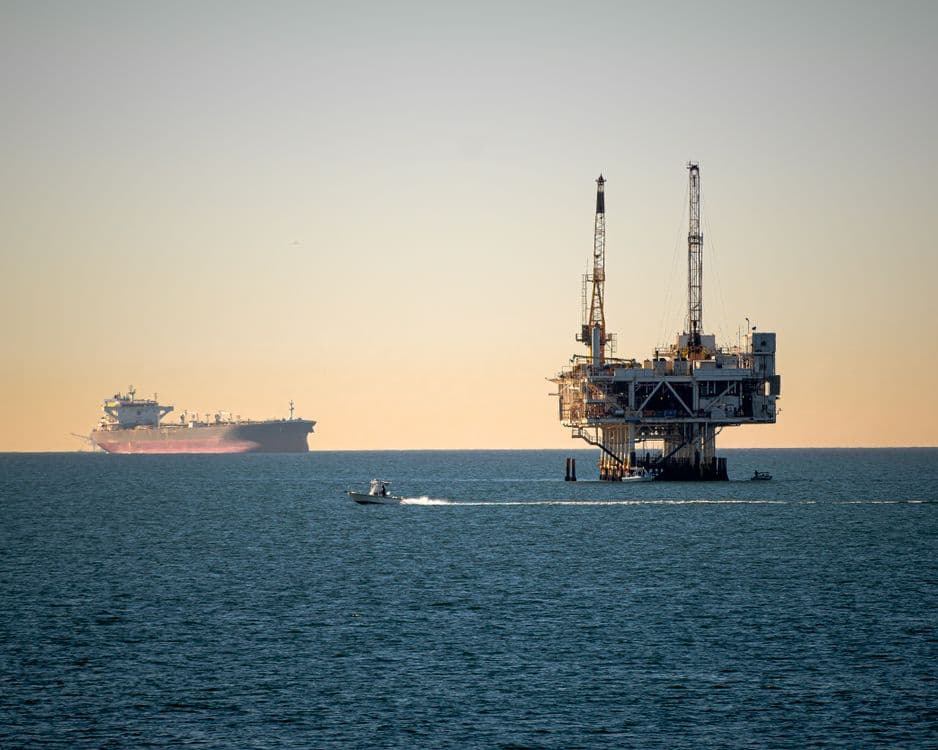
A second factor helped. Pakistans army chief concluded a one day visit to Tehran as part of efforts to reduce tensions, with reports suggesting he carried a proposal involving possible sanctions relief under an existing memorandum of understanding. Any hint of diplomatic progress reduces the perceived risk of supply disruption, particularly around the Strait of Hormuz, the narrow waterway through which a very large share of global seaborne oil passes.
Why it matters
Oil is the input that touches almost everything. It moves goods, heats homes, generates electricity, and feeds into plastics, fertiliser and packaging. When the crude price falls, that relief eventually spreads through the entire cost base of an economy, though with a lag measured in weeks and months rather than days.
For central banks, this is the single most helpful thing that could happen right now. The Bank of England has explicitly linked its reluctance to cut rates to energy driven inflation, with three of nine Monetary Policy Committee members voting for a rate rise in July. UK consumer price inflation rose to 2.9 percent in July from 2.6 percent in June, and energy did much of the work.
If crude sustains a move lower, the inflation forecasts that currently show UK prices peaking around 3.2 percent late this year start to look too pessimistic. That would reopen the possibility of rate cuts that markets have been steadily pricing out.
The caveat is the word sustains. Oil markets under geopolitical stress move violently in both directions, and a single headline out of Washington or Tehran can reverse a weeks decline in an afternoon. Nobody in a central bank will change a forecast on the basis of two down days.
Explained simply
The oil price is not really a price. It is a running poll of how frightened traders are about tomorrow, and this week the poll simply came back a little calmer than expected.
Consider what a barrel of oil costs to produce. For most of the worlds major fields, the answer is far below current prices. The gap between production cost and market price is largely a risk premium, which is the extra amount buyers will pay for the certainty of having supply secured when they fear it might be interrupted.
When a conflict threatens a major producing region or a critical shipping route, that risk premium expands. Refiners and airlines and governments all want to lock in supply, and they compete for the same barrels. When the threat looks smaller, the premium deflates, and the price falls without anything changing about how much oil is actually being pumped.
That is what happened this week. No new barrels appeared. Iranian production did not surge. What changed was the market judgment about how likely a disruption is, and that judgment alone is worth several dollars a barrel.
The Strait of Hormuz sits at the centre of this. It is a narrow channel between Iran and Oman, and an enormous share of the worlds seaborne crude passes through it every day. Any credible threat to that passage produces an immediate price spike, and any sign that the threat is receding produces the reverse. Traders spend a great deal of energy trying to read exactly this.
What it means for you
The most direct effect is at the petrol pump, but do not expect it tomorrow. UK forecourt prices follow wholesale crude with a lag of roughly four to six weeks, and they are famously quicker to rise than to fall. If crude holds near current levels, the benefit should show up in pump prices by early October.
Energy bills work on a longer cycle still. UK household gas and electricity tariffs are set with reference to wholesale prices bought months in advance, so a fall in crude now feeds into bills in the following price cap period rather than the current one. If your fixed energy deal expires soon, this weakens the argument for locking in at todays elevated rates.
For investors, the picture is mixed. If you hold a FTSE 100 tracker you have meaningful exposure to oil majors, whose share prices tend to follow crude. A sustained fall in oil is a headwind for that part of the index, even as it helps the airlines, transport companies and manufacturers listed alongside them.
On savings, the connection runs through inflation. Lower energy costs make rate cuts more likely, which in time means lower returns on easy access accounts and Cash ISAs. If you have been considering a one year fixed rate bond, the case for locking in current rates of around 4 percent gets slightly stronger with every dollar the oil price falls.
The bigger picture
Energy shocks have driven the last three major inflation episodes of the past fifty years, from the 1970s oil embargoes to the 2022 European gas crisis. In every case the pattern was similar: a supply threat, a price spike, an inflation surge, and a painful monetary response. The current episode has followed the same script, though so far on a smaller scale.
What breaks the cycle is either supply returning or demand falling. Diplomatic progress between Washington and Tehran would deliver the first, and that is what this weeks moves are quietly hoping for. The alternative, demand destruction through high interest rates and slower growth, is the outcome central banks are trying to avoid.
Watch the diplomatic track more closely than the sanctions announcements. Sanctions detail moves prices by a few dollars. A genuine agreement on the Strait of Hormuz would move them by a great deal more, and would change the inflation outlook in Britain, the United States and Europe simultaneously.