What happened
American shares drifted marginally lower on Wednesday, with the S&P 500, the index tracking 500 of the largest US listed companies, closing down 0.12 percent. The Dow Jones Industrial Average edged down 0.08 percent and the technology heavy Nasdaq lost 0.16 percent. The Russell 2000, which tracks smaller American companies, bucked the trend with a 0.50 percent gain.
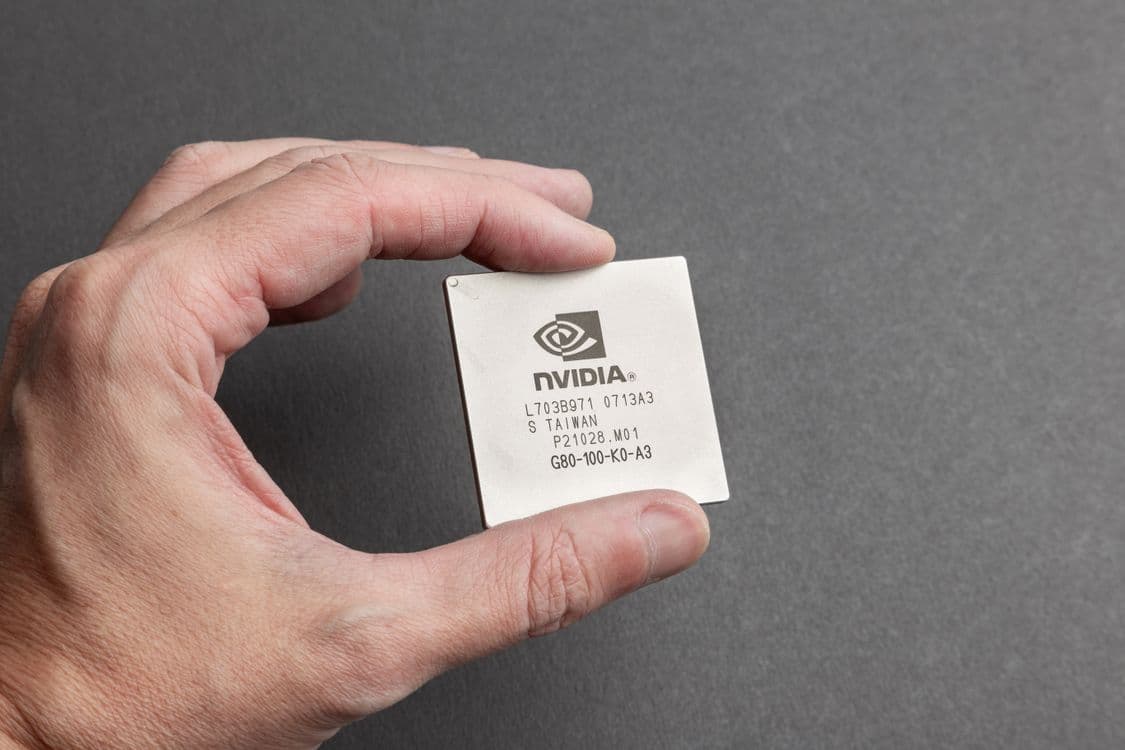
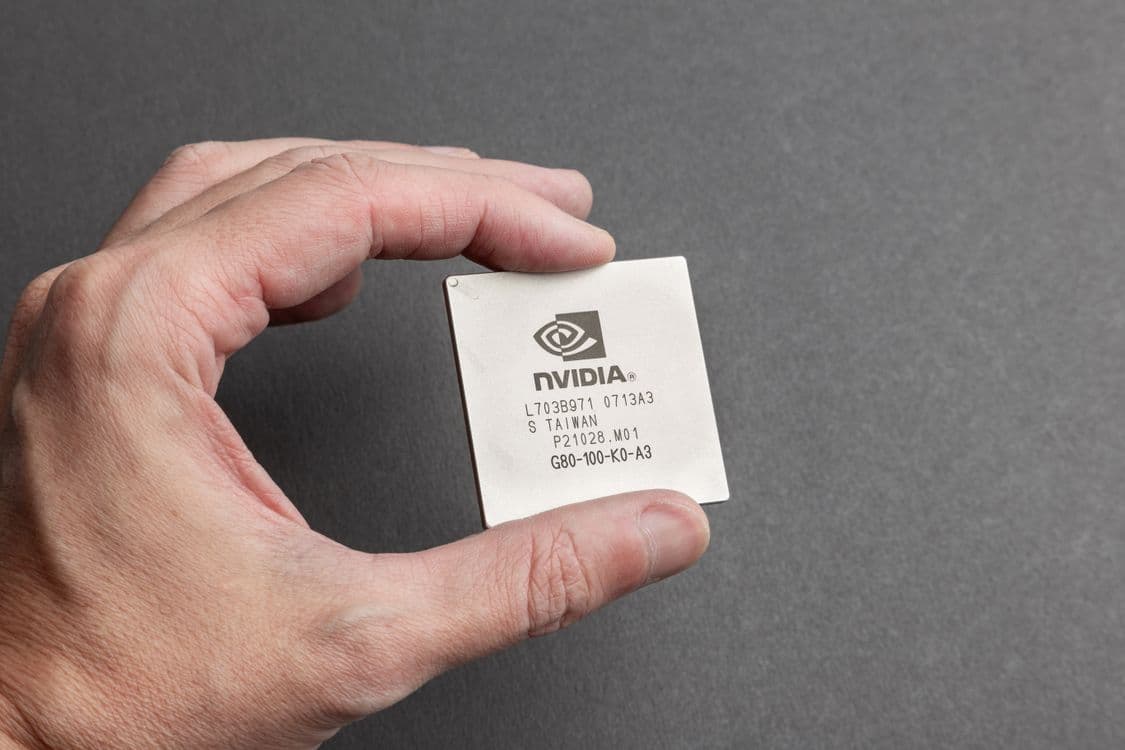
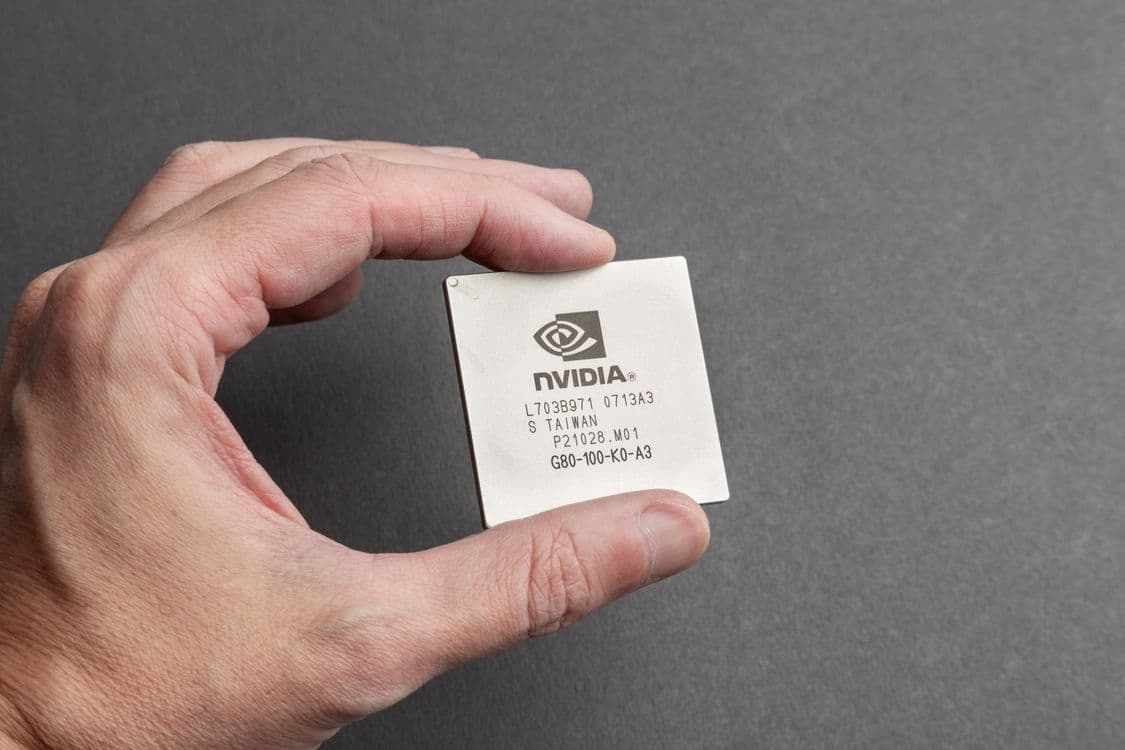
Those are small moves, and that is the story. Investors were unwilling to take large positions in either direction with Nvidia scheduled to report quarterly results after the market closed. The chipmaker has become the single most consequential earnings event on the calendar, because its numbers serve as the clearest available read on how much money is actually being spent on artificial intelligence infrastructure.
The session also had to absorb the July inflation data. The headline personal consumption expenditures price index, the measure of price rises the Federal Reserve watches most closely, rose 0.2 percent on the month and 3.7 percent over the year, slightly hotter than the 0.1 percent and 3.6 percent economists had forecast.
Individual stocks told a more dramatic story than the indices. Abercrombie and Fitch surged 29 percent after beating second quarter earnings forecasts and lifting its full year outlook. Zoom Communications fell 6.2 percent after third quarter guidance came in below Wall Street expectations. Earnings season overall has been strong: 88 percent of S&P 500 companies have now reported second quarter results and 86 percent beat earnings per share estimates.
Why it matters
Nvidia now carries a weight in global equity indices that has few historical parallels. When a single company accounts for a large share of an index, its results stop being a corporate story and become a market wide one. A miss does not just hurt Nvidia shareholders. It drags down every fund that holds the index.
The deeper question the market is asking is whether AI capital spending is sustainable. Enormous sums have been committed by a handful of large technology companies to buy chips and build data centres. Nvidia sells the chips, so its revenue is the cleanest available measure of whether that spending is still accelerating, plateauing, or beginning to slow.
Analysts currently expect S&P 500 earnings per share to grow 25 percent this year and a further 14 percent next year. Those are demanding numbers, and a meaningful share of that growth is concentrated in technology. If the AI spending cycle cools, the earnings forecasts underpinning current valuations start to look optimistic.
The inflation data adds a second layer. Headline PCE at 3.7 percent is well above the Federal Reserve target of 2 percent. Higher inflation means higher interest rates for longer, and higher rates reduce the present value of future profits. Growth companies, whose value rests heavily on earnings expected years from now, are the most sensitive to that arithmetic.
Explained simply
Nvidia earnings have become the weather report for the whole technology sector. Nobody actually cares about the barometer reading itself. They care whether they need to cancel the picnic.
Think about what Nvidia actually sells. It makes the specialised processors that train and run artificial intelligence systems. Every large technology company building AI capability has to buy them, and there is no comparable alternative at scale. That makes Nvidia the toll collector on a road everyone in the industry needs to use.
Because of that position, Nvidia revenue is a direct measurement of industry wide AI investment. If the big cloud companies are spending more, Nvidia sells more. If they start slowing down, Nvidia sees it before anybody else does, and before it shows up in anyone elses results.
This is why the whole market pauses. A strong quarter with confident guidance tells investors the spending cycle has further to run, and technology shares across the board move up. A cautious outlook implies the cycle is maturing, and the entire sector reprices downward together.
The quiet trading of Wednesday reflects that binary quality. When the range of outcomes is wide and the resolution is only hours away, the rational move is to do very little and wait. That is exactly what the numbers show: three major indices, all moving less than two tenths of a percent.
What it means for you
If you hold a global tracker fund such as an all world index fund, or a US index fund, you own Nvidia whether or not you chose to. In many global trackers it sits among the top handful of holdings. A large move in the shares will show up in your fund value within a day.
That is not a reason to act. Selling ahead of an earnings announcement is a bet on a coin flip, and the long term evidence strongly favours staying invested through this kind of event. But it is a reason to understand your concentration. If your pension is heavily weighted to a US or global index, a meaningful slice of it is riding on a small number of technology companies.
If that concentration makes you uncomfortable, the answer is diversification rather than timing. Adding exposure to a FTSE 100 tracker, a European fund, or a global equal weighted index reduces the influence of any single stock. A FTSE 100 tracker in particular has almost no AI exposure, being weighted toward banks, energy and consumer staples.
For anyone drawing down a pension or approaching retirement, the relevant point is sequencing. A sharp technology led fall matters far more if you are selling units to fund income than if you have a decade of contributions ahead. Holding one to two years of planned withdrawals in cash or short dated bonds removes the need to sell into a fall.
The bigger picture
Markets have concentrated around a small number of very large technology companies before. The late 1990s produced a similar dynamic, where a handful of names drove index returns and their earnings announcements moved the whole market. That episode ended badly, though it took longer than most sceptics expected and made a great deal of money for those who stayed invested through the middle of it.
The difference this time is that the companies concerned are extraordinarily profitable, with real revenue and real customers rather than projected eyeballs. The risk is less about whether the businesses are genuine and more about whether current prices already assume many years of continued rapid growth.
Over the next few weeks, watch the reaction rather than the headline number. If Nvidia beats expectations and the shares fall anyway, that would suggest the market has stopped rewarding good news, which is historically a meaningful signal about where a cycle sits.