What happened
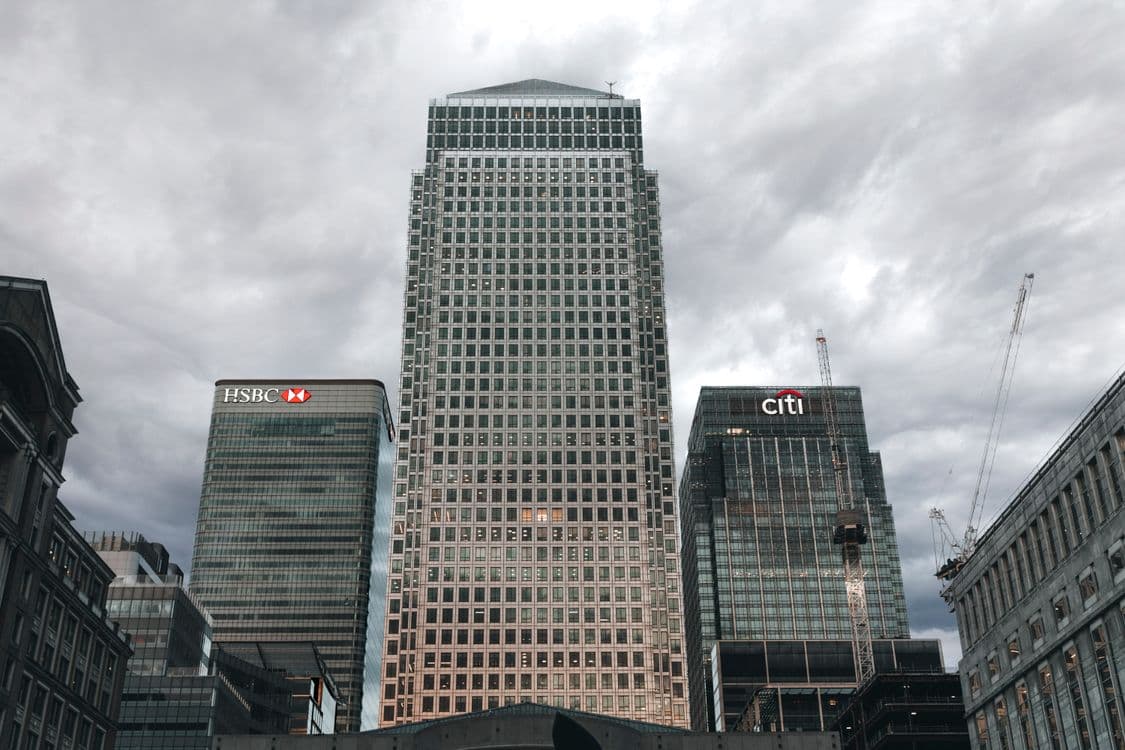
Public expectations for UK inflation over the coming twelve months jumped to 3.9 percent in August from 3.4 percent in July, according to the monthly survey run by Citi and the pollster YouGov published on 25 August. Longer term expectations rose to 4.1 percent from 3.7 percent, the highest reading since April.
The move reversed several months of steady declines. It also arrived against a backdrop of actual inflation moving the wrong way. UK consumer price inflation was 2.9 percent in July, up from 2.6 percent in June, having previously been on a downward path.
The Bank of England held Bank Rate at 3.75 percent at its meeting on 30 July. The vote was six to three, with the three dissenting members preferring an immediate increase of a quarter point. Policymakers signalled that rates could rise if inflationary pressure linked to the Middle East conflict intensified.
Citi cautioned against over interpreting a single month of survey data, noting that the next release would give a clearer steer on whether August represented a genuine shift or statistical noise.
Why it matters
Central bankers care about inflation expectations far more than the numbers alone would suggest, because expectations have a habit of becoming self fulfilling. A worker who believes prices will rise 4 percent asks for a 4 percent pay rise. An employer who grants it raises prices to cover the cost. The expectation creates the outcome.
This is why the Bank of England spends considerable effort on what economists call anchoring, meaning keeping the public convinced that inflation will return to the 2 percent target regardless of what is happening this month. Once that conviction slips, controlling inflation becomes far harder and far more expensive in terms of lost jobs and growth.
The August reading is uncomfortable precisely because the longer term measure moved too. A jump in one year expectations after an energy price spike is understandable. A jump in longer term expectations suggests households are starting to believe elevated inflation is the new normal rather than a passing shock.
The practical consequence is that the three MPC members who wanted to raise rates in July now have a stronger argument. Markets that had penciled in a cut before the end of 2026 are being forced to reconsider.
Explained simply
Inflation expectations are like a rumour about a bank running out of money. Whether or not it is true when it starts, enough people acting on it will make it true by lunchtime.
Prices in an economy are not set by a central computer. They are set by millions of individual decisions, and every one of those decisions involves a guess about the future. A landlord setting next year rent, a supermarket buyer signing a supply contract, a union negotiating a pay deal, all have to guess what money will be worth in twelve months.
If everyone guesses 2 percent, they build 2 percent into their contracts, and inflation comes in at roughly 2 percent. If everyone guesses 4 percent, they build 4 percent in, and that is what happens. The guess does the work.
Energy prices are the current trigger. When petrol and heating bills rise visibly, people extrapolate. They have no way to know whether the oil shock is temporary, so they assume the trend continues. That is entirely rational at the household level and collectively dangerous.
The Bank of England toolkit for this is blunt but effective. Raising interest rates, or even credibly threatening to, signals that it will not tolerate higher inflation and will slow the economy to prevent it. That signal is designed to change the guess before the guess changes reality.
What it means for you
If you have a fixed rate mortgage expiring in the next year, the case for waiting in hope of lower rates has weakened considerably. Two year fixed deals currently sit around 4.3 to 4.6 percent for borrowers with reasonable equity, and the scenario in which those fall below 4 percent by spring now looks less likely than it did three months ago. Speaking to a broker about locking in a deal early, which most lenders allow up to six months ahead, is worth doing now.
Savers benefit from the same shift. Easy access accounts paying around 4.5 percent are less likely to be cut, and one year fixed rate bonds near 4.6 percent look reasonable value if you can tie the money up. Using a Cash ISA allowance keeps that interest entirely free of tax, which matters more as rates stay high and more savers breach the Personal Savings Allowance.
For anyone with cash sitting in a current account paying nothing, the opportunity cost is now stark. Ten thousand pounds earning 0 percent rather than 4.5 percent costs 450 pounds a year, and with inflation at 2.9 percent the real value of that money is shrinking.
Investors holding UK gilt funds should be alert. If the Bank does raise rates, existing gilt prices fall, and longer dated gilt funds fall furthest. Short dated gilt or money market funds carry far less of that risk.
The bigger picture
Britain has now spent five years with inflation away from target, first the pandemic supply squeeze, then the 2022 energy crisis, and now a fresh energy shock from conflict in the Middle East. Each episode chips away at the credibility that keeps expectations anchored.
Forecasters expect UK headline inflation to rise from the third quarter onwards as the energy price spike feeds through utility bills and transport costs. GDP growth is projected at just 0.7 percent for 2026, which leaves very little cushion if the Bank has to tighten policy.
The September survey is the immediate thing to watch, as Citi itself flagged. If expectations stay elevated for a second month, the pressure on the Monetary Policy Committee to act at its autumn meetings becomes difficult to resist.