What happened
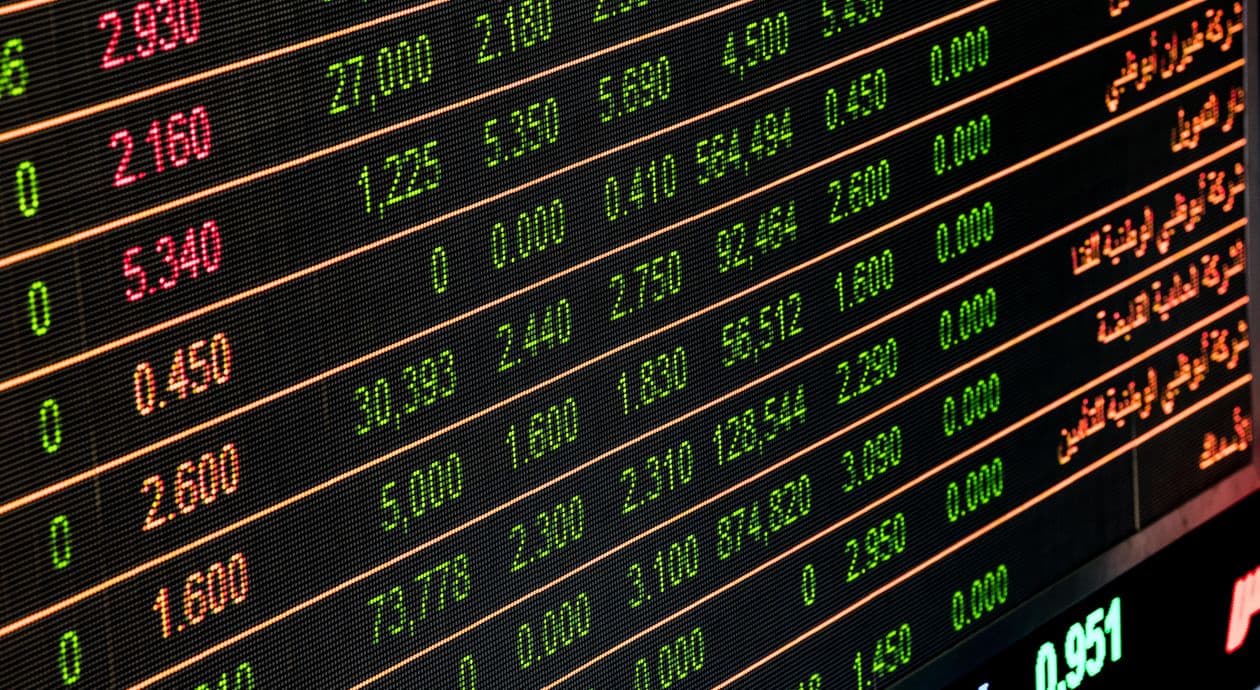
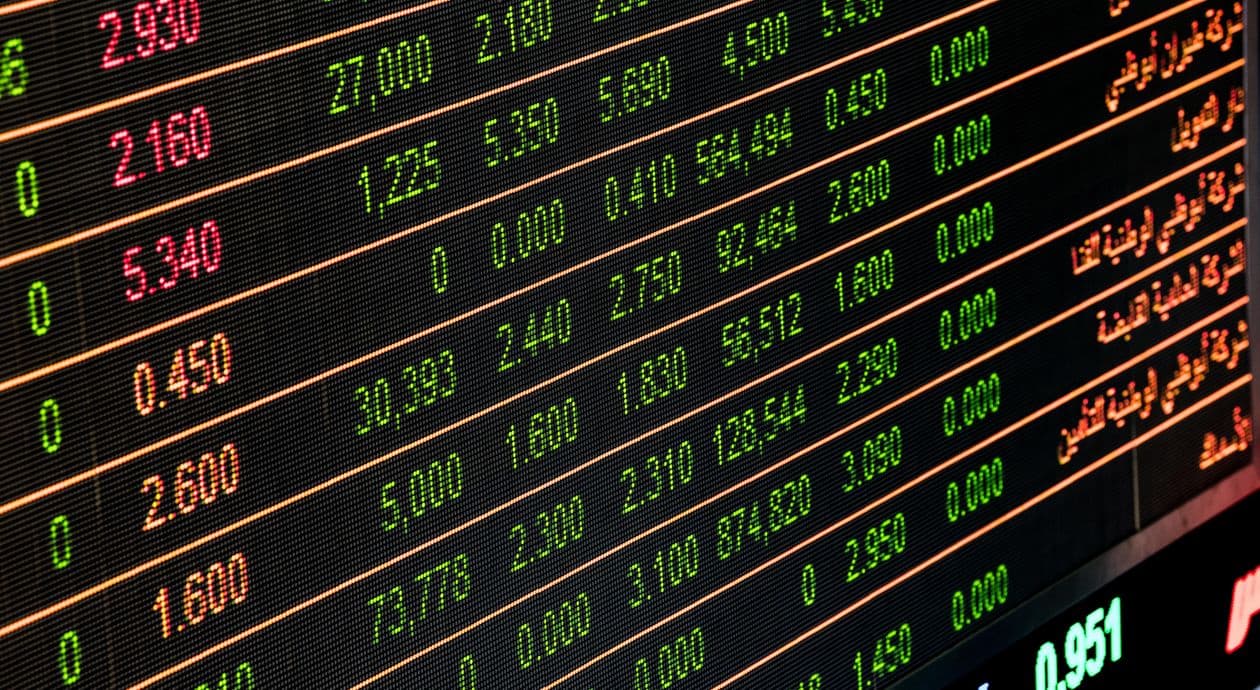
The S and P 500 closed at 7,631.47, down 54.67 points or 0.71 percent, in a session dominated by the bond market rather than by company news. Futures tied to the Dow, the S and P 500 and the Nasdaq 100 were all close to flat shortly after 6pm New York time, suggesting traders were waiting for direction rather than pressing the move.
London went the other way. The FTSE 100 traded at 10,824.26, a gain of 0.29 percent, helped by its unusually heavy weighting in energy and mining companies that benefit directly from higher commodity prices. The divergence between the two indices on the same day is a clean illustration of how differently they are constructed.
The pressure came from two linked sources. Crude prices surged, with West Texas Intermediate trading above 90 dollars a barrel and Brent above 95, after the United States launched further strikes on Iranian targets. Higher energy costs feed into inflation expectations, and inflation expectations feed into bond yields, which rose across major markets.
Rate expectations remain the backdrop. The Federal Reserve benchmark stands at 3.75 percent, the Bank of England at 3.75 percent and the European Central Bank deposit rate at 2.25 percent. None of the three is expected to move imminently, and an energy shock makes near term cuts harder rather than easier to justify.
Why it matters
Share prices and bond yields are connected by simple arithmetic. A share is worth the profits a company will earn in future, converted into what those profits are worth today. The conversion uses the return available on safe government bonds as the benchmark. When that safe return rises, every future profit becomes worth slightly less today, and share prices fall even if nothing about the businesses themselves has changed.
That effect falls hardest on companies whose value depends on profits many years away. Fast growing technology companies fit that description precisely, which is why they tend to lead declines on days when yields rise. Banks, energy producers and utilities, whose earnings are nearer term or directly linked to commodity prices, hold up better.
The FTSE 100 illustrates the point. It is unusually weighted towards oil, mining, banking and consumer staples and unusually light on technology. That composition made it a persistent underperformer through the long technology led rally and makes it a relative haven in exactly the conditions markets are experiencing now.
None of this is a crash. A 0.71 percent daily decline is well within ordinary market variation and happens dozens of times a year. What makes it worth reading is the reason behind it, because the same forces pushing yields up are the ones pushing mortgage costs up and delaying interest rate cuts.
Explained simply
Government bonds are the gravity in a financial market. When gravity strengthens, everything else has to work harder to stay in the air, and the highest flying assets feel the pull first.
Imagine choosing between two options. A government bond pays you a guaranteed 4 percent a year. A share in a fast growing company pays nothing today but might be worth a great deal in a decade. When the bond paid 1 percent, the risky option looked obviously worth taking. When the bond pays 5 percent, the calculation changes and some investors quietly shift towards the safe return.
Multiply that decision across pension funds, insurers and sovereign wealth funds managing trillions and you get the mechanism behind days like this. Nobody panics. Money simply moves at the margin, and at that scale a small marginal shift produces a visible move in the index.
Oil enters the chain at the start. Higher crude means higher expected inflation. Higher expected inflation means bond investors demand a bigger return to protect the purchasing power of the money they will be repaid in. That is what pushes yields up, and the equity market feels it a step later.
The term risk premium describes the extra return investors expect for owning shares rather than bonds. It is not fixed. When safe returns rise and geopolitical uncertainty increases at the same time, investors demand a larger premium, which mathematically means paying less for the same shares today.
What it means for you
For a long term investor the correct response to a 0.71 percent day is no response. If you contribute monthly to a stocks and shares ISA or a workplace pension, a lower index simply means this month contribution buys more units. That is the mechanism by which regular investing works, and interrupting it during weak periods is what damages returns.
It is worth understanding what you actually own. A FTSE 100 tracker and a global tracker behave very differently in these conditions, as today demonstrated with London up and New York down. Most UK investors are heavily concentrated in United States technology through global funds without ever having chosen that exposure deliberately.
Cash remains competitive while yields are elevated. Easy access accounts around 4.2 to 4.5 percent and Cash ISAs at similar levels are paying real returns above UK inflation of 2.9 percent. Money needed within the next three to five years belongs in cash or short dated bonds rather than in equities, regardless of what the index did today.
For anyone approaching retirement, this is the moment to check whether your pension is lifestyled, meaning it automatically shifts from shares into bonds as your retirement date nears. Bond prices fall when yields rise, so both parts of a lifestyled fund can decline together in an environment like this, which surprises people who assumed bonds were the safe half.
The bigger picture
Markets have spent 2026 caught between a strong corporate earnings picture, particularly in artificial intelligence, and an inflation backdrop that keeps refusing to settle. Every time energy prices spike, rate cut expectations get pushed further out, and equities give back some of the ground gained while investors were anticipating cheaper money.
The resolution depends almost entirely on oil. If Middle East tensions ease and crude falls back towards 75 dollars, inflation expectations fall, bond yields fall, and the pressure on equity valuations lifts without central banks doing anything. If crude stays near 95 dollars through the winter, the rate cuts currently priced for next year start disappearing from the forecasts.
Watch the Bank of England on 17 September and the next United States inflation release. Those two events, more than any single trading session, will determine whether the current softness is a pause in a longer advance or the start of something more substantial.