What happened
UK inflation measured 2.9 percent in July 2026, up from 2.6 percent in June, the second consecutive monthly increase. CPI, the Consumer Prices Index, tracks how much a representative basket of goods and services has changed in price over twelve months, and it is the measure the Bank of England is tasked with holding at 2 percent.
Forecasters expect it to climb further. Independent economists surveyed by HM Treasury put CPI near 3.5 percent for the October to December quarter, and the Bank of England has warned of a peak above 3.5 percent in the third quarter as the Middle East energy shock works through.
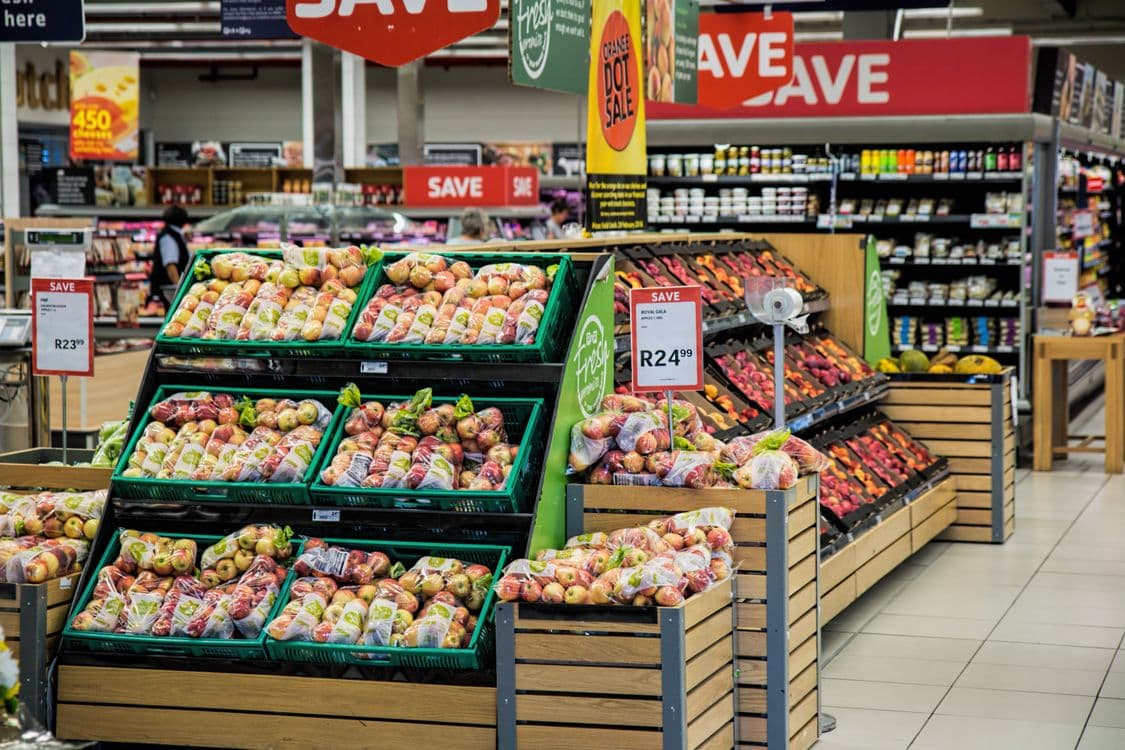
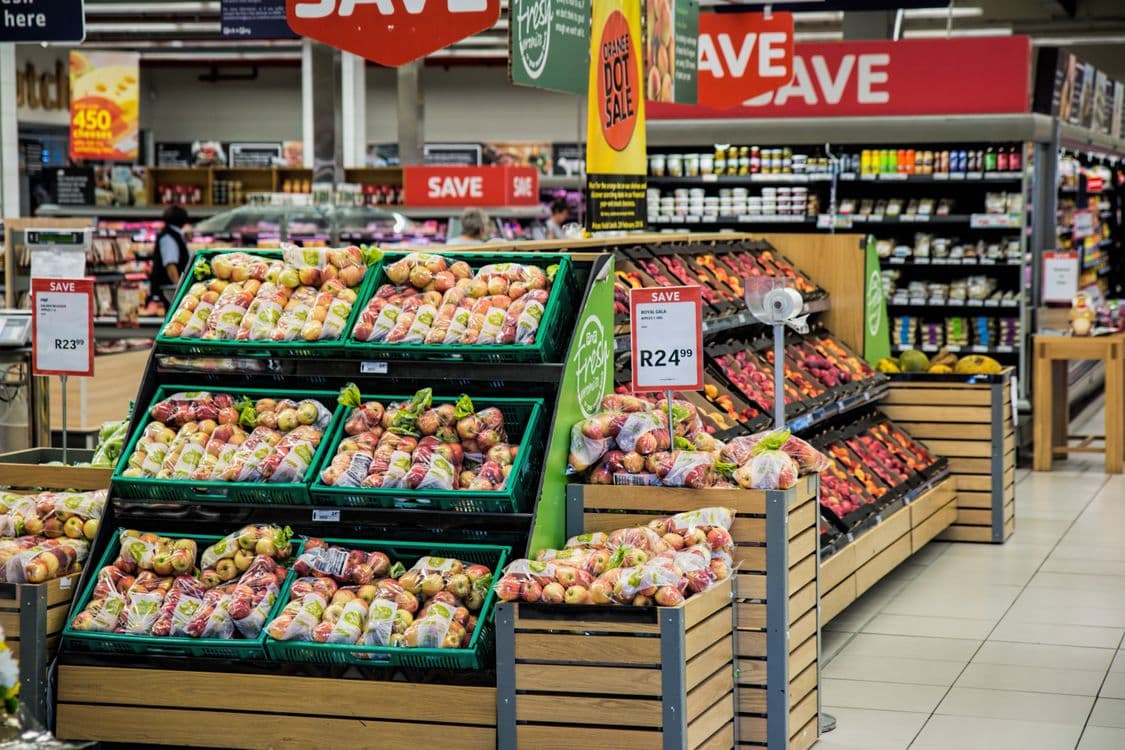
Food is where households notice first. Consumer food price inflation is projected to reach 4.6 percent by September, driven by energy costs for both imported and domestically produced goods. The backdrop makes it harder: growth of around 1.0 percent this year, unemployment above 5 percent, and warnings it could reach an eleven year high before December.
Why it matters
Food inflation is the most visible price change there is, because people shop weekly and remember what things cost. That gives it outsized power over inflation expectations, the beliefs about future prices that shape wage demands and business pricing, which central banks watch closely.
It is also deeply regressive. Lower income households spend a far larger share of their money on food and energy, so a 4.6 percent rise hurts them several times more than a high earner, even though the percentage is identical. Averages conceal that entirely.
For the Bank of England the difficulty is that this inflation is imported. Bank Rate can influence UK demand but cannot lower the global oil price. Raising rates to fight an energy shock means slowing an economy already growing at 1 percent with unemployment above 5 percent, which is exactly the tension behind gilt traders pricing nearly two rises before December.
Explained simply
Energy is not one item in the shopping basket, it is an ingredient in every other item. When energy gets dearer, it is as if every product on the shelf quietly gained a little weight at once.
Trace a loaf of bread. Fertiliser for the wheat is made with natural gas. The tractor runs on diesel. The mill and bakery use gas and electricity. The bread is chilled at points along the way, driven to a distribution centre, then on to a supermarket that is itself lit, heated and refrigerated. Energy appears at least six times before you pick it up.
This is why an oil shock is so awkward for a central bank. Ordinary inflation comes from too much demand chasing too few goods, and higher rates cool demand. An energy shock comes from the cost side. Higher rates produce no extra oil, they simply reduce spending in an economy already struggling.
One timing point is worth knowing. Inflation is measured against prices twelve months earlier, so a large increase drops out of the comparison exactly a year later even if prices never fall. That is why inflation can drop sharply while everything still feels expensive. Falling inflation means prices are rising more slowly, not reversing.
What it means for you
On groceries the arithmetic is simple. A household spending 120 pounds a week would pay roughly 5.50 pounds more at 4.6 percent inflation, close to 290 pounds a year. Switching to own brand ranges typically saves 20 to 30 percent on comparable items, comfortably outweighing the increase, and loyalty scheme pricing now sets the shelf price on many staples.
On savings, make sure your money keeps pace. With inflation heading towards 3.5 percent, an easy access account paying 2 percent loses real purchasing power every month. Leading rates remain around 4.5 to 4.8 percent, and a Cash ISA shelters that interest from tax up to the 20,000 pound allowance. Moving an idle 10,000 pounds from 2 percent to 4.5 percent is worth around 250 pounds a year.
On borrowing, markets now expect Bank Rate to rise rather than fall, which flips the usual advice towards fixing rather than tracking. Standard variable rates, set several points above Bank Rate, would move up almost immediately after any rise. And if you receive benefits or the state pension, note that uprating is usually based on the September CPI figure and applied the following April.
The bigger picture
Britain has now had two energy driven inflation episodes in five years, following the 2022 shock after the invasion of Ukraine. That repetition is the argument behind domestic renewable generation, which does not remove energy price risk but reduces how much is imported and priced in dollars.
The immediate calendar matters more. The next UK inflation release lands before the Bank of England decision on 17 September and will largely determine whether market pricing of rate rises is confirmed or unwound. Watch food inflation specifically, since it responds early to energy costs and tends to peak before the headline number does.