What happened
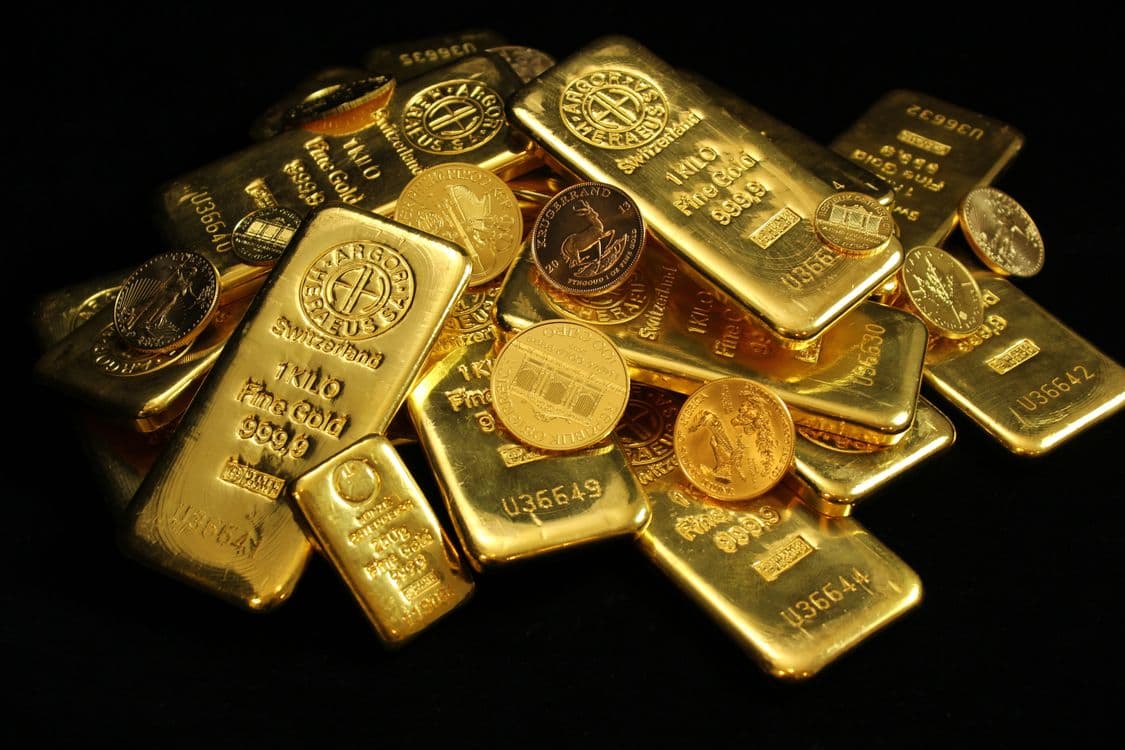
Spot gold changed hands at 4,402.89 dollars an ounce at 9am New York time on Friday and traded nearer 4,500 dollars later in the session, extending a two day advance. Silver held around 66.37 dollars an ounce as the dollar eased.
The immediate driver was commentary from Federal Reserve Governor Christopher Waller, whose remarks were read as dovish and led traders to scale back the probability of a rate increase at the September meeting. Dovish simply means favouring lower interest rates to support growth, as opposed to hawkish, which means favouring higher rates to fight inflation.
Gold does not pay interest or dividends. That makes it more attractive when interest rates are expected to fall and less attractive when savings accounts and government bonds are paying well, so a softening in rate rise expectations tends to lift the metal directly.
Safe haven buying also supported prices ahead of the United States employment report, which landed later on Friday with payrolls up 162,000 and the unemployment rate steady at 4.1 percent, a stronger reading than the market expected.
Why it matters
Gold has become one of the defining trades of 2026. It set an all time high of 5,597.23 dollars an ounce on 29 January, driven by economic uncertainty, a weakening dollar, heavy central bank buying and strong inflows into gold exchange traded funds. It remains roughly a fifth below that peak.
That combination of a huge rally followed by a substantial pullback is itself the lesson. Gold is often described as a safe haven, which invites the assumption that it is a low risk holding. Twenty percent drawdowns say otherwise.
The metal also functions as a market thermometer. Central banks buying gold in size usually signals discomfort with holding dollars. Retail investors buying gold usually signals anxiety about inflation or geopolitics. Both have been visible this year, alongside conflict in the Middle East and an energy shock feeding into consumer prices worldwide.
For ordinary savers, gold matters mostly because it now sits inside many multi asset and diversified funds. Exposure that was once niche has quietly become mainstream.
Explained simply
Gold is the financial equivalent of an umbrella. It does nothing at all on a sunny day, which is most days, and you are very glad of it during the twenty minutes it rains.
Every other mainstream asset generates something. A share pays dividends and represents a claim on future profits. A bond pays a coupon. A savings account pays interest. Gold produces nothing. Its entire return comes from someone else paying more for it later.
That explains why gold moves inversely to real interest rates, meaning interest rates after inflation is subtracted. When a savings account pays 5 percent and inflation is 3 percent, the saver earns 2 percent in real terms, and holding a metal that pays nothing looks costly. When rates fall or inflation climbs, that penalty shrinks and gold looks better by comparison.
It also explains the sensitivity to central bank speeches. Nothing about the physical supply of gold changed when Governor Waller spoke. What changed was the expected return on the alternatives, and gold is priced entirely relative to those alternatives.
What it means for you
If you already own gold through a fund, this year has probably been a good one, but check the proportion. Most financial planners suggest gold sits between 2 and 10 percent of a diversified portfolio. Above that, the volatility starts to drive returns rather than dampen them.
UK investors have practical options. Physically backed exchange traded commodities can be held inside a stocks and shares ISA or a self invested personal pension, with annual charges typically around 0.12 to 0.25 percent. Physical coins such as Britannias and Sovereigns are exempt from capital gains tax for UK residents because they are legal tender, though dealer spreads of 3 to 5 percent apply on purchase and sale.
Do not treat gold as a replacement for cash savings. Easy access accounts paying around 4 percent give a guaranteed nominal return and instant access, which is what an emergency fund needs. Gold can fall 20 percent in the month you need the money.
Anyone tempted to buy after a strong run should note that gold was 5,597 dollars in January and is 4,500 dollars now. Buying at the top of a rally is the most common way retail investors lose money in this market.
The bigger picture
The structural drivers of the gold rally have not gone away. Central banks in emerging economies continue to diversify reserves away from the dollar, government debt levels keep rising across the developed world, and geopolitical risk remains elevated.
Against that, higher interest rates are a genuine headwind. If the Federal Reserve and the European Central Bank both raise rates this autumn to fight energy driven inflation, the opportunity cost of holding a non yielding asset increases.
Watch the September Federal Reserve decision, the direction of the dollar, and central bank purchase data. Those three between them explain most of what gold does over the next six months.