What happened
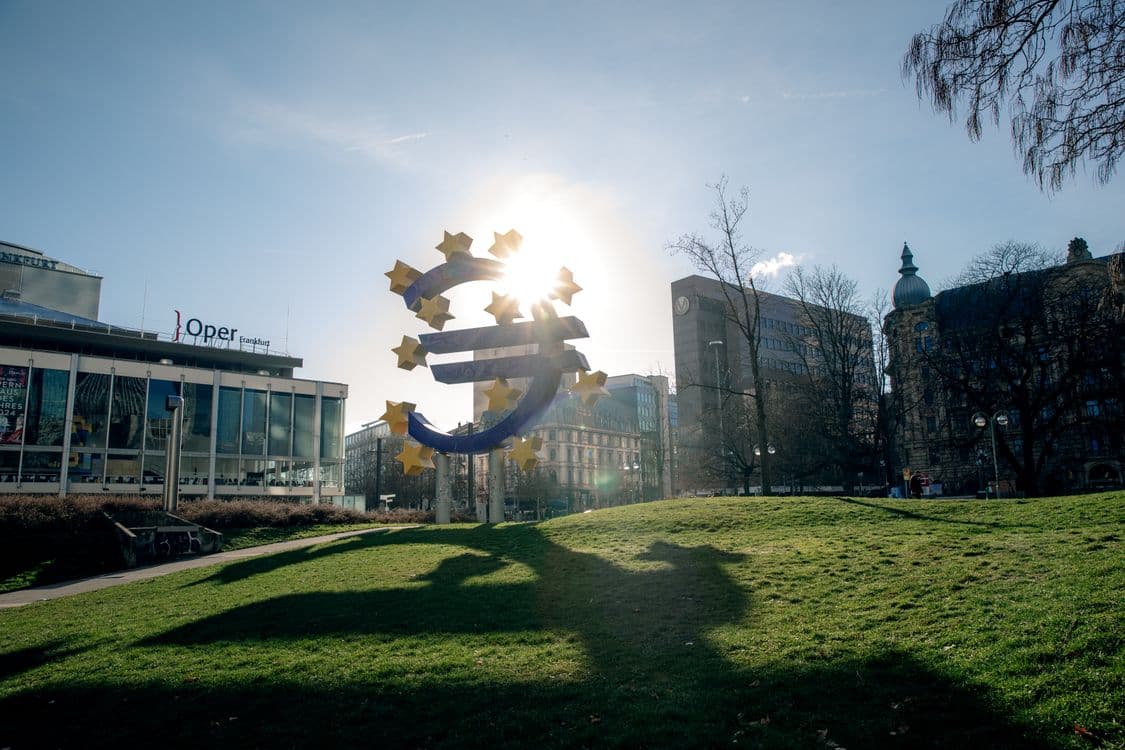
The European Central Bank left its benchmark deposit rate unchanged at 2.25 percent at its July meeting, holding fire as policymakers weigh whether fresh energy shocks will keep inflation elevated. President Christine Lagarde said the decision to hold was unanimous, though she acknowledged that some governors on the Governing Council asked whether the Bank should instead be preparing another rate rise.
The hold follows a rate increase in June, which Lagarde framed as a response to a genuine inflation challenge rather than a routine adjustment. The Bank now expects inflation to return to its 2 percent target only by late 2027, a slower path than earlier forecasts implied.
Lagarde also made clear that the ECB is not offering forward guidance — a promise about where rates head next — preferring to keep every future meeting open as it watches incoming data on prices, wages and energy costs.
Why it matters
The deposit rate is the single most powerful lever the ECB controls. It sets the return banks earn for parking money at the central bank overnight, and it ripples out into the cost of mortgages, business loans and savings across the 20 countries that use the euro.
By holding rather than cutting, the ECB is signalling that it is not yet confident inflation is beaten. Energy prices have been pushed higher by conflict in the Middle East, and the Bank is wary of easing too soon only to see prices flare up again.
For households and businesses across the eurozone, the hold means borrowing costs stay roughly where they are for now. But the fact that some governors wanted a hike tells markets that the next move is at least as likely to be up as down.
Explained simply
Think of the ECB as a driver easing the car to a stop on a slippery road — it has taken its foot off the accelerator, but it is keeping it hovering over the brake in case prices start sliding again.
When an economy runs hot and prices rise too fast, a central bank raises interest rates to make borrowing more expensive. That cools spending and, in time, slows price rises. When the danger passes, it can lower rates again to help the economy speed up.
Right now the ECB is doing neither. It has stopped raising rates but is not ready to cut them, because it cannot yet see whether the recent jump in energy costs will fade or feed into everything else people buy.
By refusing to give forward guidance, Lagarde is essentially saying: do not assume you know our next move, because we do not know it ourselves until we see the numbers. That keeps the Bank flexible but leaves markets guessing.
What it means for you
If you hold a euro-denominated tracker mortgage, your monthly payment is unlikely to change in the immediate term, because the rate it follows is staying put. Someone with a 200,000 euro mortgage avoids the roughly 40 euro a month increase that a quarter-point hike would have added.
Savers in the eurozone continue to earn the relatively healthy rates that returned over the past two years, with many easy-access accounts still paying well above 2 percent. But those rates will not climb further unless the ECB resumes hiking.
For UK readers, the ECB matters too. The euro area is a huge trading partner for Britain, so the strength of the euro against the pound affects the price of European holidays, wine, cars and food imports. A steady ECB tends to mean a steadier exchange rate.
The bigger picture
The ECB, the Bank of England and the US Federal Reserve have all spent 2026 wrestling with the same problem: inflation that will not quite settle back to target while energy markets stay volatile. Each is moving cautiously, wary of declaring victory too early.
The key thing to watch is the autumn. If Middle East tensions keep oil and gas prices high, the ECB could be forced to hike again despite this hold. If tensions ease and energy prices fall, the door to rate cuts in 2027 swings open.