What happened
The Federal Reserve heads into its policy meeting on 28 and 29 July with a rate rise still a live possibility, after Chair Kevin Warsh declined to rule one out and warned that US inflation remains too high. Warsh made the comments at the European Central Bank forum in Sintra, Portugal, saying policymakers would decide on any move when they gathered.
The remarks put markets on notice that the Fed is not finished tightening. Unlike the European Central Bank, which held its rate this week, and the Bank of England, which has kept UK rates steady, the Fed is still openly weighing whether borrowing costs need to go higher.
The backdrop is an inflation picture complicated by energy shocks from Middle East tensions in early 2026, which have kept price pressures elevated across the major economies and made central banks reluctant to declare the fight won.
Why it matters
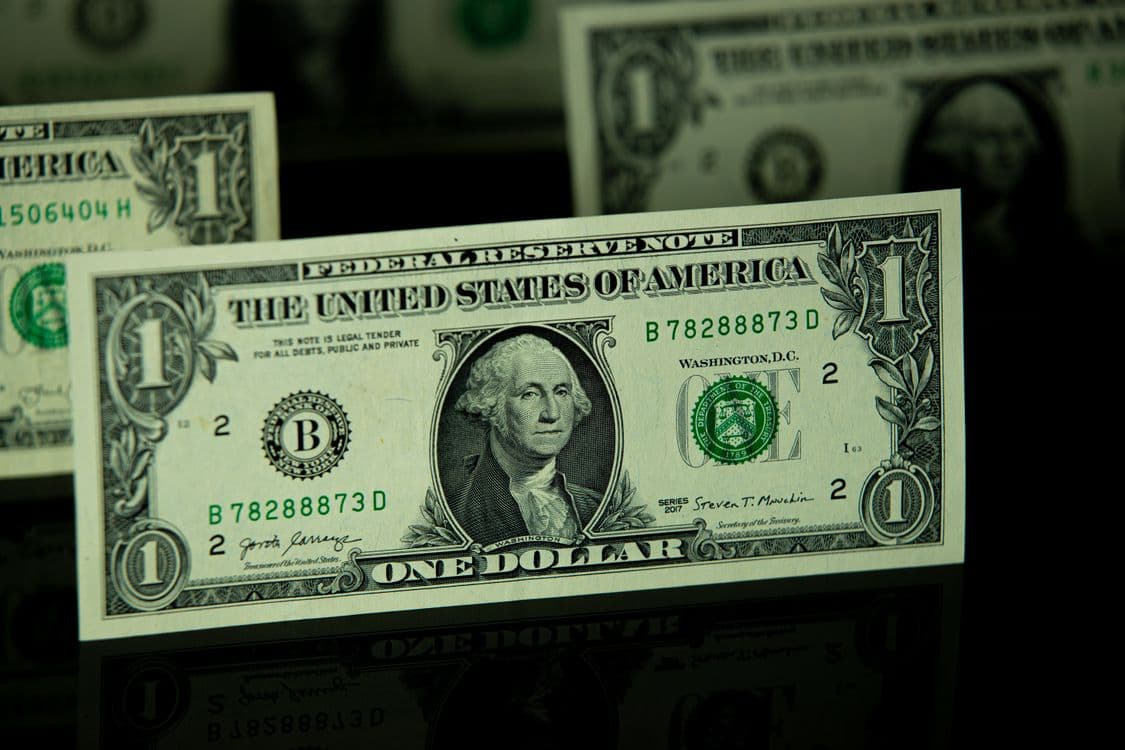
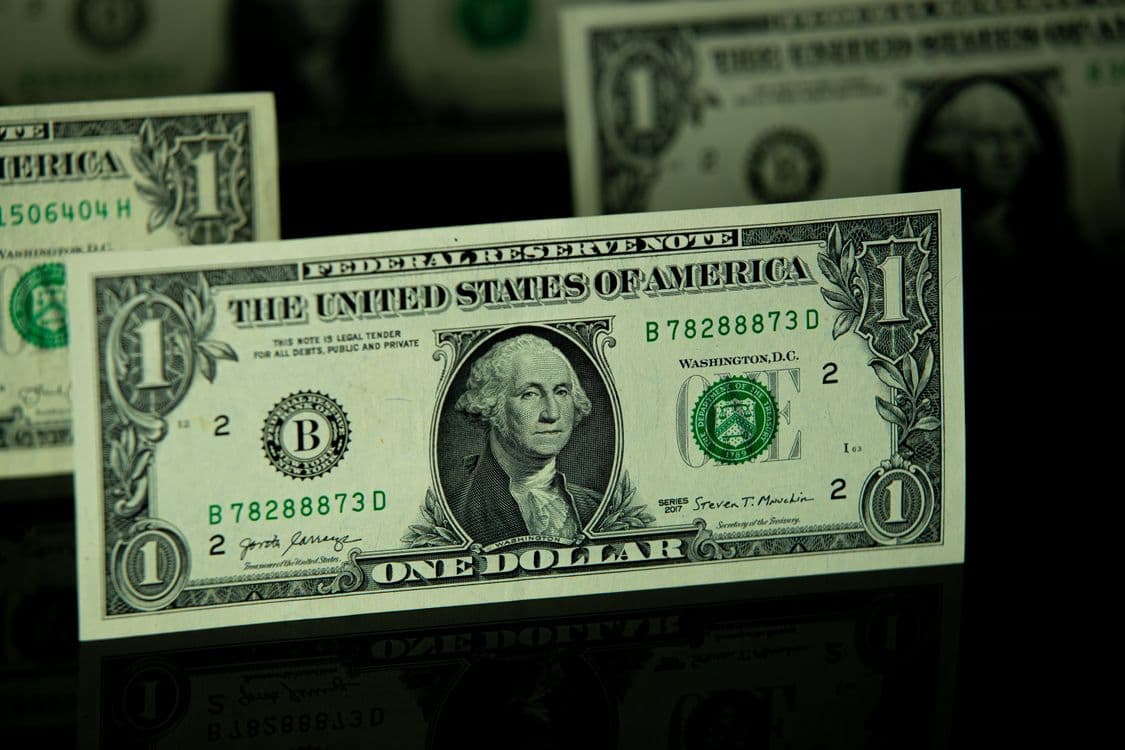
The Federal Reserve sets the most important interest rate in the world. Because so much global borrowing is priced in dollars, decisions by the Fed ripple far beyond America, influencing everything from emerging market debt to UK mortgage pricing.
If Warsh follows through and the Fed raises rates, it signals that the US central bank still sees inflation as the bigger threat than a slowing economy. That would push up the cost of borrowing for American households and businesses almost immediately.
For the rest of the world, a higher US rate tends to strengthen the dollar, which makes imports priced in dollars — including oil — more expensive for everyone else. That is one way a Fed decision can nudge up prices in a British supermarket.
Explained simply
Think of the Federal Reserve as the thermostat for the entire global economy — when it turns the dial, every other room in the house feels the temperature change, whether they like it or not.
A central bank raises interest rates to cool an economy that is running too hot, making borrowing more expensive so people and businesses spend a little less, which slows the rise in prices.
The Fed matters more than any other because the dollar is the dominant reserve currency. Loans, commodities and trade across the globe are priced in dollars, so when the Fed changes its rate, borrowing costs shift in countries that had no say in the decision.
When Warsh says inflation is too high, he is signalling that the thermostat may need turning up further — even though many had hoped the Fed was done and rate cuts were coming. That uncertainty is what keeps markets on edge.
What it means for you
Even in Britain, a US rate rise can filter through to your finances. A stronger dollar pushes up the price of dollar-priced imports, from fuel to electronics, which can keep inflation stickier and delay Bank of England rate cuts.
For anyone holding a fixed-rate mortgage deal that is due to end soon, the Fed stance is a warning that global borrowing costs may stay higher for longer, so it is worth checking remortgage options early rather than assuming rates will fall.
Savers, by contrast, benefit if rates stay high. Fixed-rate savings bonds and cash ISAs continue to offer attractive returns while central banks hold off on cutting, so locking in a good rate now can make sense.
The bigger picture
The Fed, the ECB and the Bank of England are all navigating the same narrow path in 2026: bring inflation down without tipping their economies into recession, all while energy prices swing on events in the Middle East.
The 28 to 29 July meeting is the next big test. A hike would jolt markets that had leaned toward expecting cuts later in the year, while a hold would suggest the Fed, like its peers, is content to wait and watch. Either way, the language Warsh uses afterward will shape expectations for months.