What happened
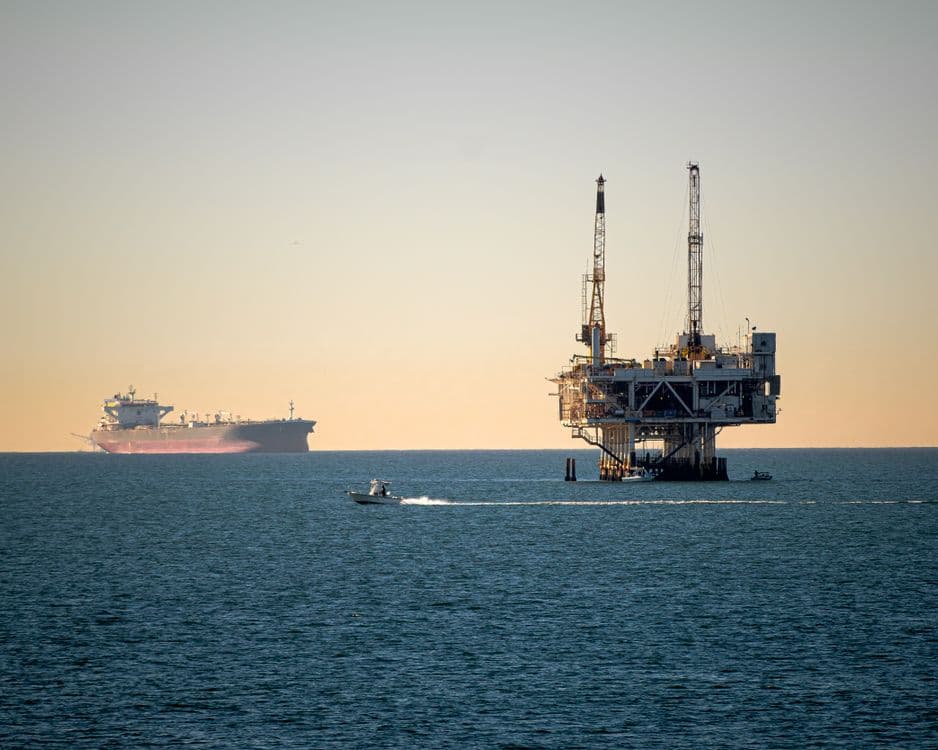
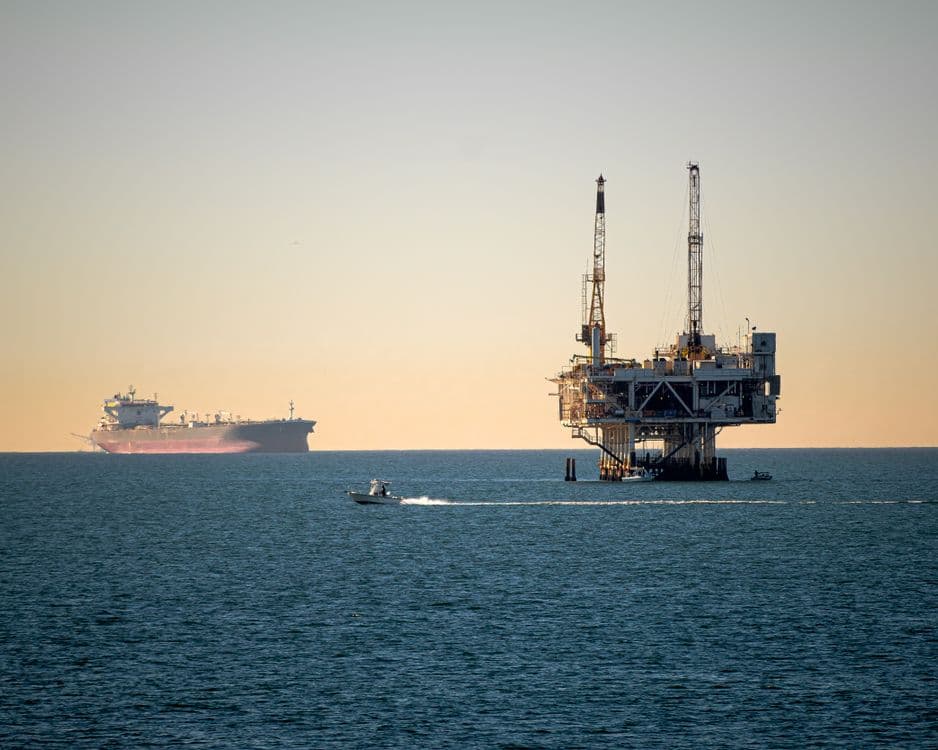
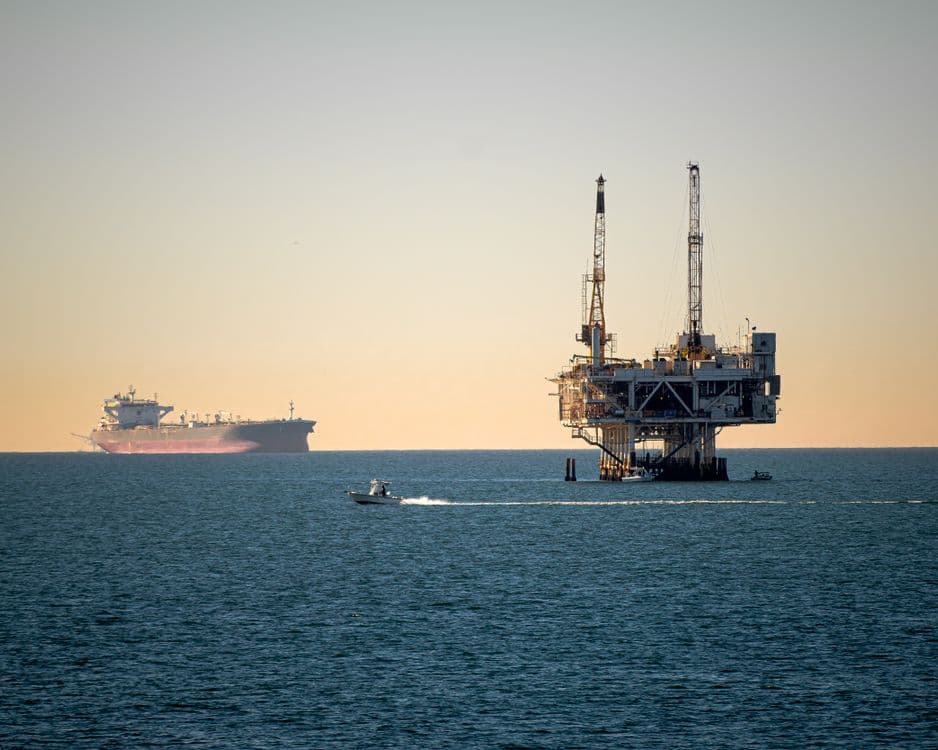
Brent crude, the global benchmark for oil, has climbed above 100 dollars a barrel for the first time since May, jolting markets that had grown used to calmer energy prices. The move has been driven by escalating tension between the United States and Iran.
Prices have been volatile through July. US crude traded at around 88 dollars a barrel on 20 July, but Brent has spiked higher at points as fighting in the Middle East threatened supply routes that carry a large share of the worlds oil.
Oil is priced in dollars and traded around the clock, so any threat to supply from a major producing region feeds through to prices within hours. The current bout of strength reflects fear that the conflict could disrupt tankers and pipelines.
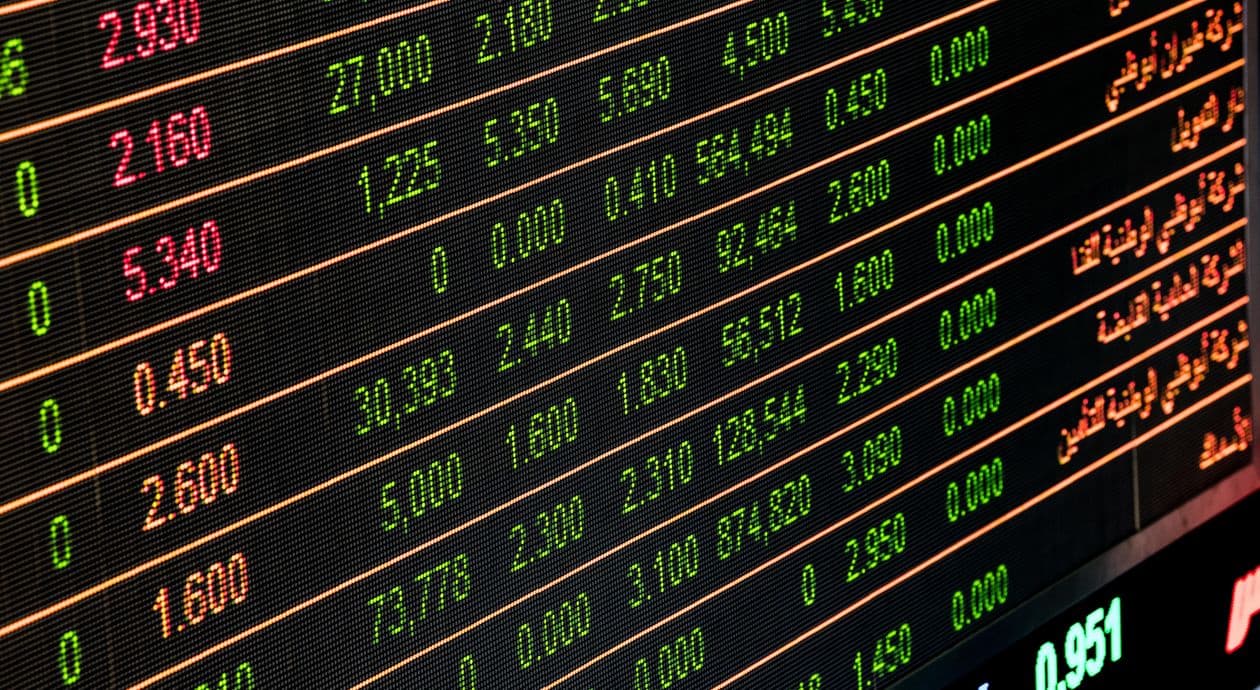
Higher crude has reinforced inflation worries and led investors to expect central banks, including the US Federal Reserve, to keep interest rates higher for longer.
Why it matters
Oil is the lifeblood of the modern economy. It fuels cars, lorries, ships and planes, heats homes and is a raw material for plastics, fertiliser and countless products. When its price rises, the cost of almost everything that has to be made or moved rises too.
That is why an oil spike is so feared by central banks. It pushes up inflation at the same time as it drains money from households and businesses, a painful mix that makes interest rate decisions harder.
Britain imports much of its oil and gas, so a jump in global prices flows quickly into petrol pumps, energy bills and the cost of goods in the shops. It also weakens the pounds buying power for imported fuel.
For the Fed and other central banks, dearer oil tilts the balance towards keeping rates high, because they do not want energy costs to spread into wider inflation.
Explained simply
Think of oil as the blood pressure of the global economy. When conflict squeezes the supply, the pressure spikes, and every part of the system, from your petrol tank to the price of a loaf, feels the strain.
Oil prices move on the simple balance of supply and demand, but supply is easily frightened. Most of the worlds crude passes through a few narrow sea routes in the Middle East, so when fighting flares near them, traders fear the flow could be cut.
They do not wait to find out. Buyers rush to secure barrels before any disruption, and that scramble alone pushes the price up, even if not a single tanker is actually blocked. Fear, in other words, moves the market as much as fact.
The knock on effect reaches your daily life because oil sits at the start of so many supply chains. Dearer crude means dearer diesel, which means dearer delivery, which means dearer everything on the shelves a few weeks later.
What it means for you
The most immediate hit is at the petrol pump. A sustained move above 100 dollars typically adds several pence per litre to UK fuel prices within weeks, raising the cost of every car journey.
Energy bills are next. Britain has already faced a 13.5 percent rise in the household energy price cap, and higher global gas and oil prices could keep bills elevated into the winter.
For savers and mortgage holders the link is interest rates. If oil keeps inflation high, the Bank of England and the Fed are less likely to cut, which means fixed rate mortgages and loans stay dearer for longer. Someone remortgaging a 200,000 pound loan could pay hundreds of pounds a year more than if rates were falling.
On the positive side, holders of energy shares or a FTSE 100 tracker may benefit, since the UK index is heavy with oil majors that earn more when crude rises.
The bigger picture
Oil above 100 dollars is a level that reshapes the whole economic outlook. It was tensions like these that pushed the ECB to raise rates in June and that now cloud the Feds path.
Whether the spike lasts depends on the conflict. If tensions ease and supply fears fade, prices could fall back towards the 80s, taking some pressure off inflation. If the fighting worsens, 100 dollars may prove a floor rather than a ceiling.
Watch the daily crude price and any news on Middle East shipping routes, because they will shape inflation, interest rates and your bills for months to come.