What happened
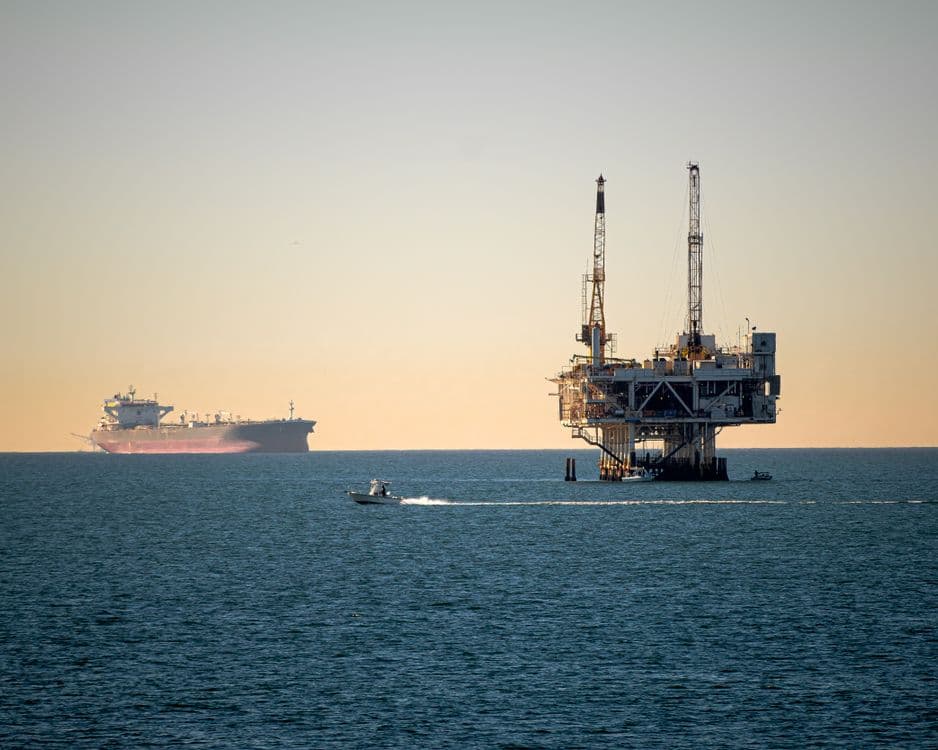
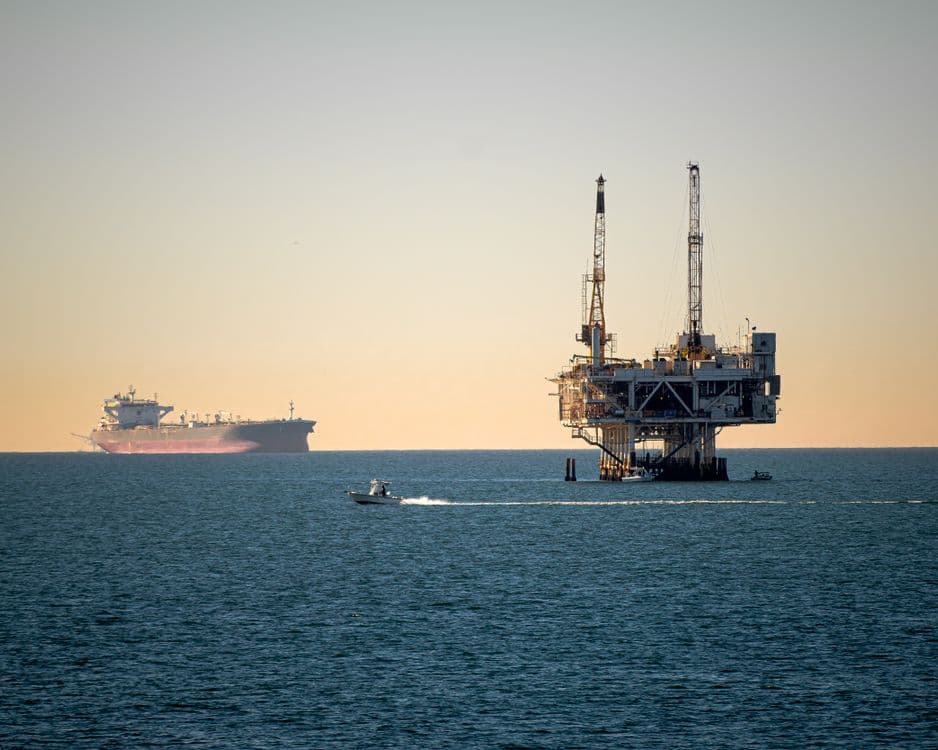
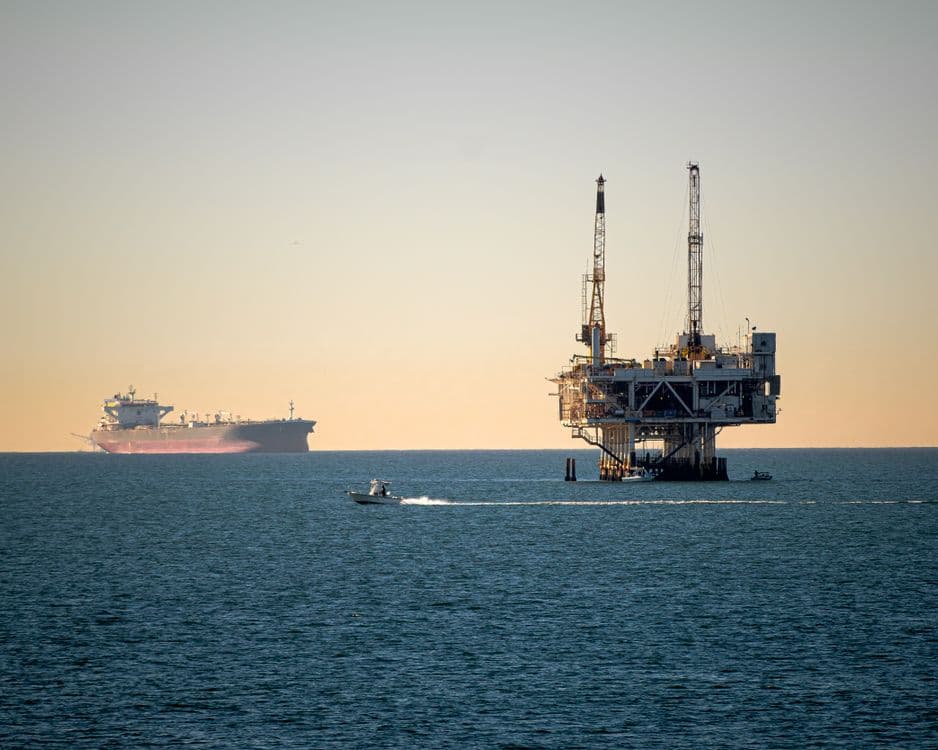
Oil prices climbed once more as tensions between the United States and Iran flared up again around the Strait of Hormuz, the narrow shipping lane through which a large share of the worlds seaborne crude passes. A ceasefire earlier in the month had briefly pushed prices down, but renewed attacks quickly reversed that move.
The swings have been dramatic. Brent crude, the global benchmark, had at one point fallen roughly 40 percent below its April peak and slipped beneath late February levels, only for geopolitical fears to drag it back up. Traders now see the Strait of Hormuz as the single biggest wildcard hanging over energy markets.
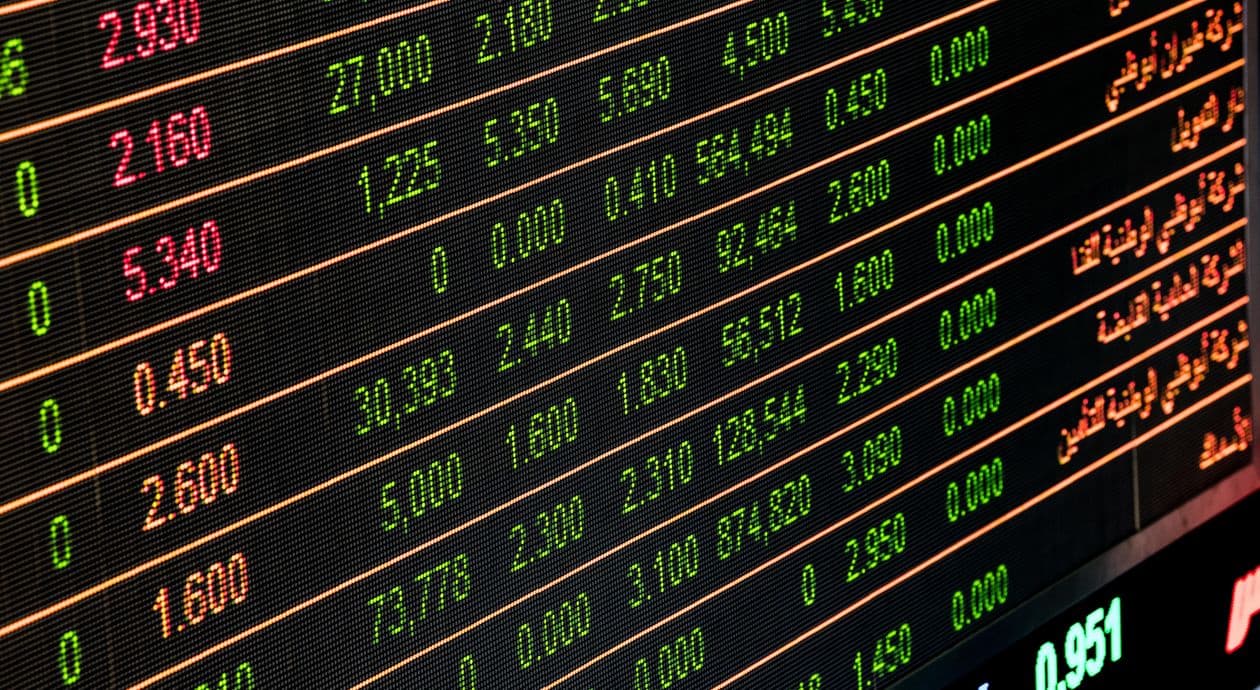
Stock markets felt the strain. The FTSE 100 slipped 0.13 percent while the S&P 500 ended slightly lower, pressured by the rise in oil, closing at 7,498.96. Higher energy costs squeeze company margins and stoke inflation, a combination investors dislike.
Why it matters
Oil is the lifeblood of the modern economy. It powers cars, lorries, planes and ships, and it is a raw material in everything from plastics to fertiliser. When the oil price jumps, the cost of moving and making almost everything rises, which is why an oil shock can feed straight into inflation.
The Strait of Hormuz is central to the story. Roughly a fifth of the worlds oil supply is shipped through this single chokepoint, so any threat to safe passage sends prices higher on fears that supply could be disrupted. Markets react to the risk long before any barrel is actually lost.
For Britain, which imports much of its oil and gas, this is more than a market story. Dearer crude pushes up petrol at the pump and heating costs at home, and it complicates the Bank of England job. That is why traders have been bringing forward their bets on UK rate rises as oil has rebounded.
Explained simply
The Strait of Hormuz is like a single doorway that a fifth of the worlds oil must squeeze through, so when someone rattles the door, prices jump even if nothing is actually blocked.
Picture a huge stadium where most of the crowd has to leave through one narrow exit. If a rumour spreads that the exit might be blocked, everyone panics, even before anything happens. Oil markets behave the same way: the mere threat of disruption at Hormuz is enough to send prices higher.
This is why headlines about the region move prices so sharply. Traders are not waiting to see whether tankers are actually stopped, they are pricing in the chance that they might be. When tensions ease, that fear premium drains away and prices fall, as they did during the brief ceasefire.
The knock on effect reaches ordinary life through a simple chain. Costlier oil means costlier fuel and transport, which makes goods more expensive to produce and deliver, which nudges up the prices you pay in shops. That is how a distant strait ends up on your receipt.
What it means for you
The most immediate effect is at the petrol station. If crude keeps climbing, pump prices tend to follow within a couple of weeks, so a sustained rise could add several pounds to the cost of filling an average family car each time you visit.
Home energy is next in line. Because the UK relies on imported gas as well as oil, firmer global energy prices feed into the household price cap over time, raising the risk that heating bills climb again over the winter rather than falling as many had hoped.
There is a knock on for borrowers too. If higher oil keeps inflation stubborn, the Bank of England is more likely to hold rates high or even raise them, which would keep mortgage and loan costs elevated. Anyone remortgaging soon may want to factor that risk into their planning rather than assuming rates will fall.
The bigger picture
Energy has re-emerged as one of the biggest macroeconomic risks facing the UK and the wider world. After a period when falling oil prices were helping to bring inflation down, the recent rebound threatens to undo some of that progress in the second half of 2026.
What happens next depends largely on diplomacy. If tensions around the Strait of Hormuz cool, oil could resume its earlier decline and ease the pressure on prices and central banks alike. If they escalate, expect further volatility. The Bank of England decision on 30 July will be the next big test of how policymakers read the energy threat.