What happened
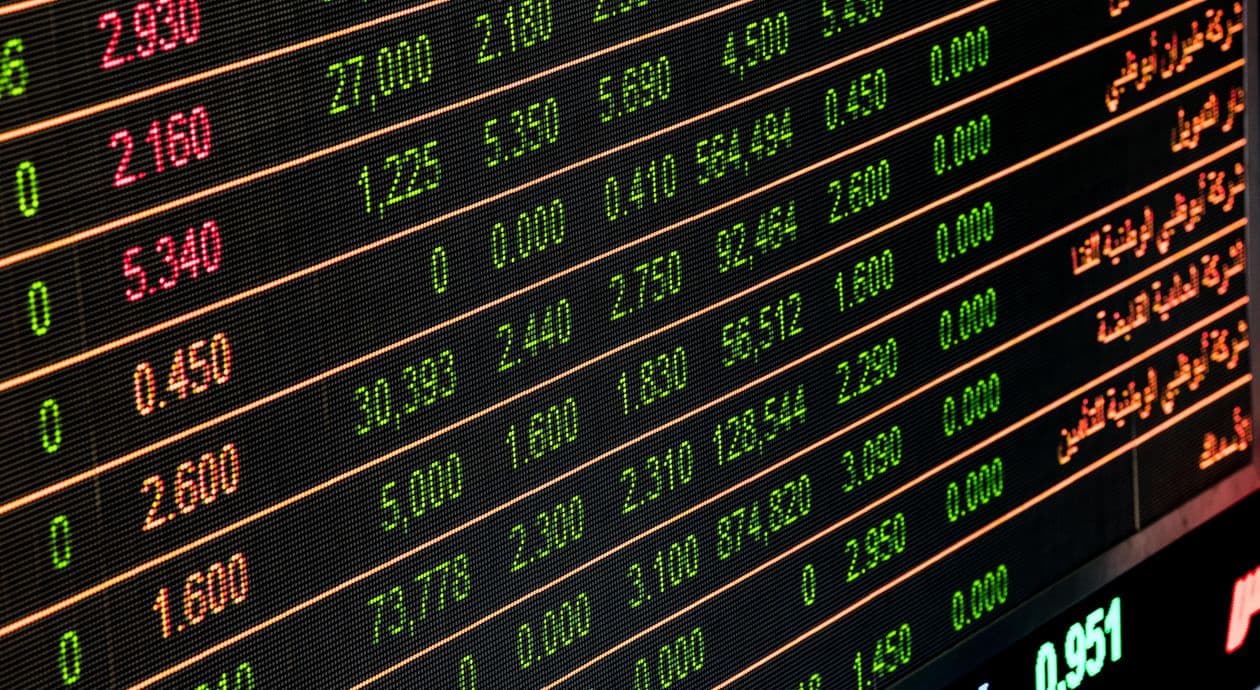
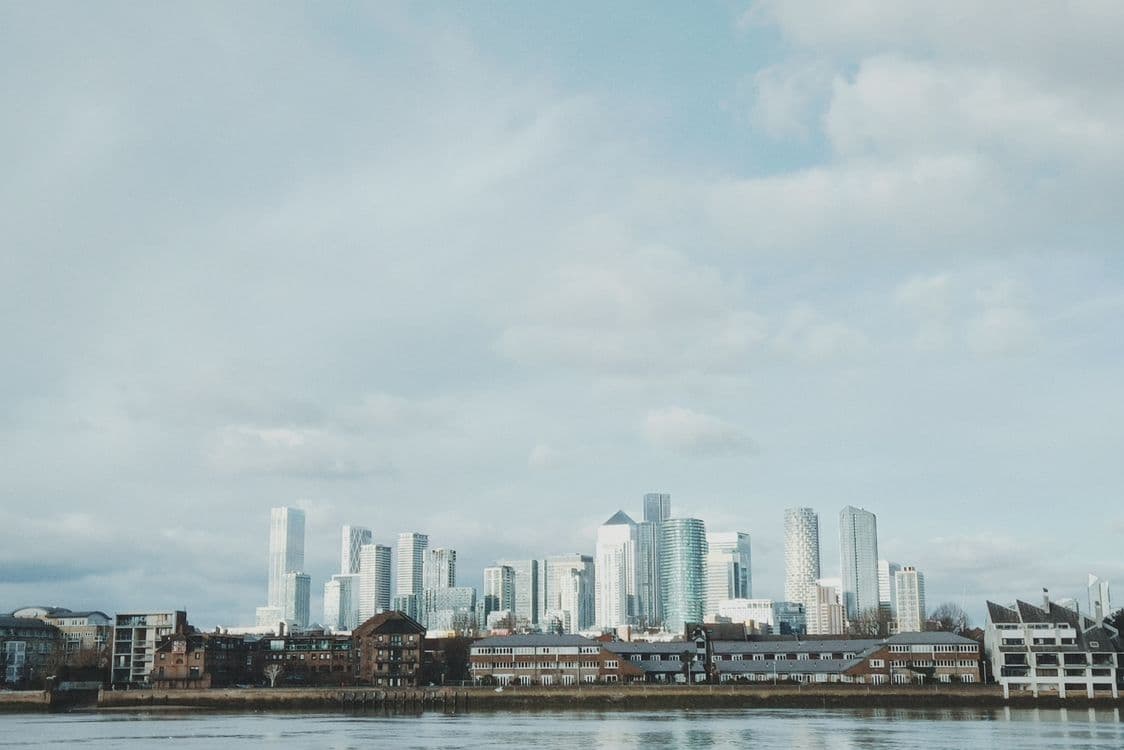
The FTSE 100, the index of Britain 100 largest listed companies, climbed roughly 0.4 percent to about 10,780 points on Monday morning, while the midcap FTSE 250 gained around 0.6 percent. The rally came after a third straight night without US strikes on Iran calmed fears of a wider Middle East war.
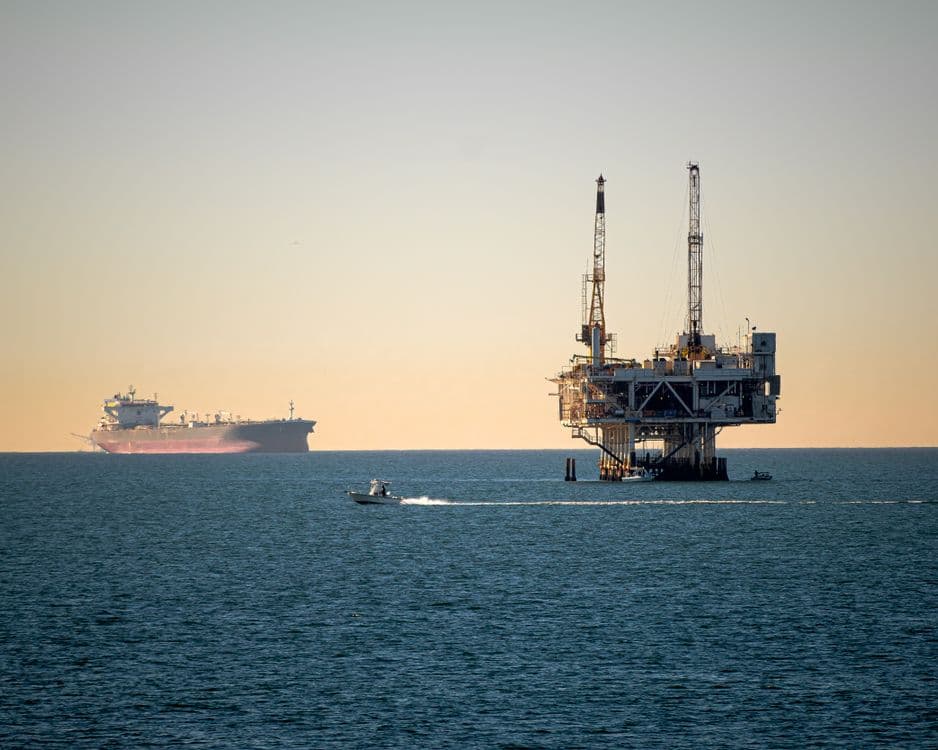
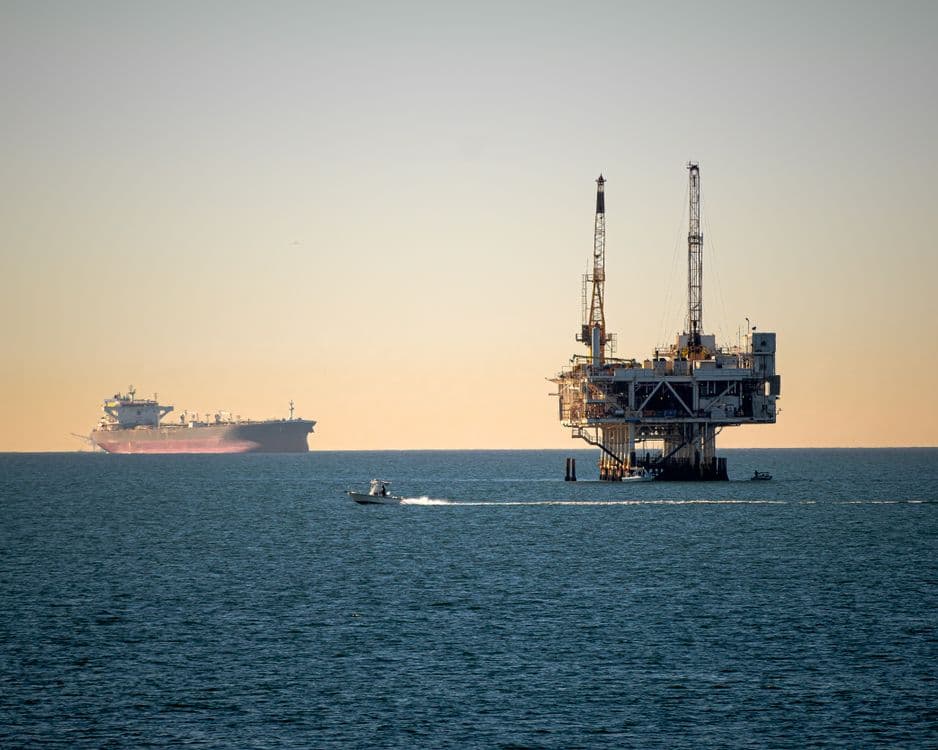
Investors were also cheered by news that Iran and Oman were in active talks to reopen the Strait of Hormuz, the narrow shipping channel through which a large share of the world oil passes. Brent crude fell more than 5 percent to about 86 dollars a barrel, unwinding much of the spike that had rattled markets in recent weeks.
The falling oil price cut both ways in London. Cheaper crude lifted the wider market by easing inflation fears, but it dragged down energy shares, with the UK oil and gas sector falling about 2.5 percent, its biggest one-day drop this month.
US stock futures also pointed higher, suggesting the risk-on mood was spreading across the Atlantic.
Why it matters
The FTSE 100 is a barometer for the health of big British business and, through pensions, for the savings of millions of ordinary people. When it rises, the value of workplace and personal pension pots that hold UK shares tends to rise with it.
Mondays move shows how tightly markets are now tied to events in the Gulf. A single quiet weekend on the geopolitical front was enough to send oil tumbling and shares higher, a reminder of how much recent nerves had been driven by war fears rather than the underlying economy.
For companies, cheaper oil lowers the cost of fuel, transport and raw materials, which can protect profit margins. That is good news for airlines, retailers and manufacturers, even as it squeezes the oil majors that make up a big chunk of the index.
Explained simply
Think of the stock market as a giant mood ring for the economy. When the world feels dangerous it turns dark and prices fall, and when the danger lifts it brightens and prices rise, often faster than the real economy actually changes.
Share prices reflect what investors expect companies to earn in the future. When war looks likely, they fear disrupted trade, dearer energy and weaker profits, so they sell and prices drop. When the threat eases, they buy back in, betting that business will carry on as normal.
Oil sits at the centre of this because it powers almost everything. A jump in crude raises costs across the economy and stokes inflation, which is why the recent spike spooked investors. Mondays slump in oil did the reverse, giving traders permission to relax.
None of this means the danger is over. Markets are simply pricing in a calmer outcome than they feared a week ago, and that judgement can reverse just as quickly if the news turns.
What it means for you
If you have a workplace pension or a FTSE 100 tracker fund, a rising market gently lifts the value of your holdings, though a single day rarely changes your long-term picture much. The steadier lesson is that staying invested through scary headlines usually beats trying to jump in and out.
Falling oil is the more concrete win for household budgets. If crude stays near 86 dollars, petrol and diesel prices should ease over the coming weeks, and lower energy costs can slow the rise in the price of everyday goods.
If you hold shares in energy companies such as the big London-listed oil producers, expect more turbulence. Their profits move with the oil price, so the same fall that helps drivers can dent the dividends and share prices in that corner of your portfolio.
The bigger picture
Markets have spent much of 2026 swinging on Middle East headlines. Each escalation has pushed oil up and shares down, and each pause has done the opposite. Mondays rally fits that pattern rather than signalling a lasting all-clear.
What to watch next is whether the Strait of Hormuz talks succeed and whether the ceasefire holds beyond a few days. A durable calm would let central banks focus again on cutting rates and could support shares into the autumn. A fresh flare-up would send the mood ring dark once more.