What happened
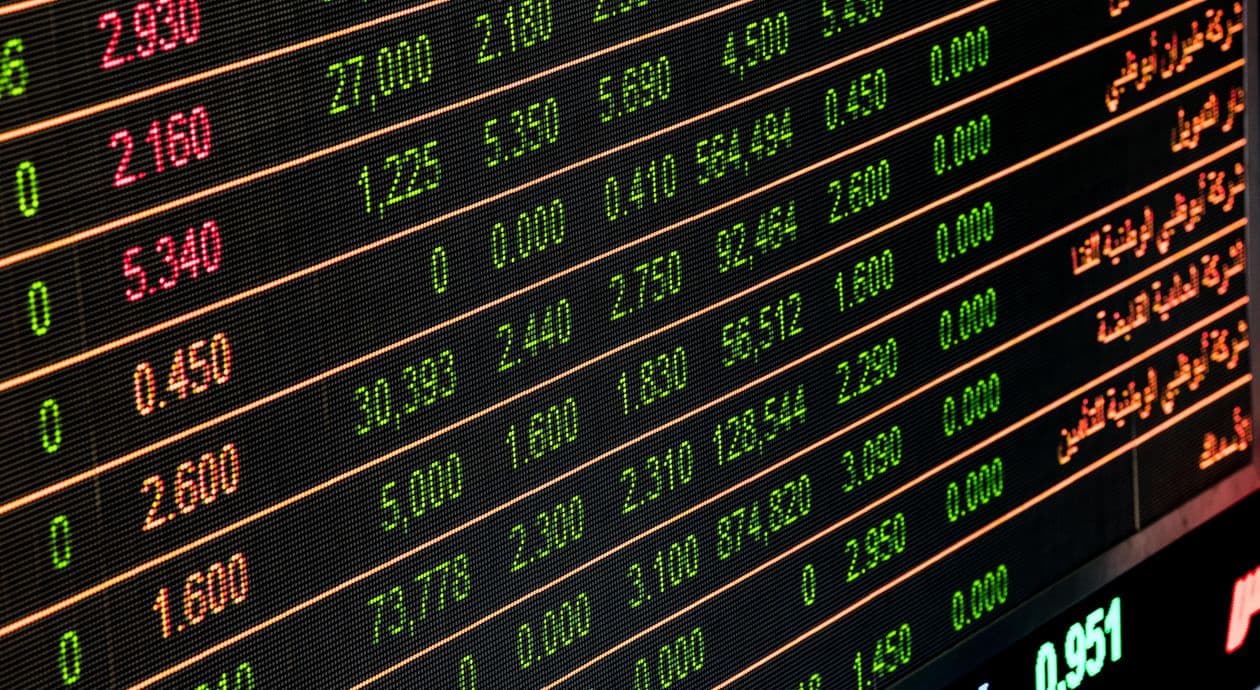
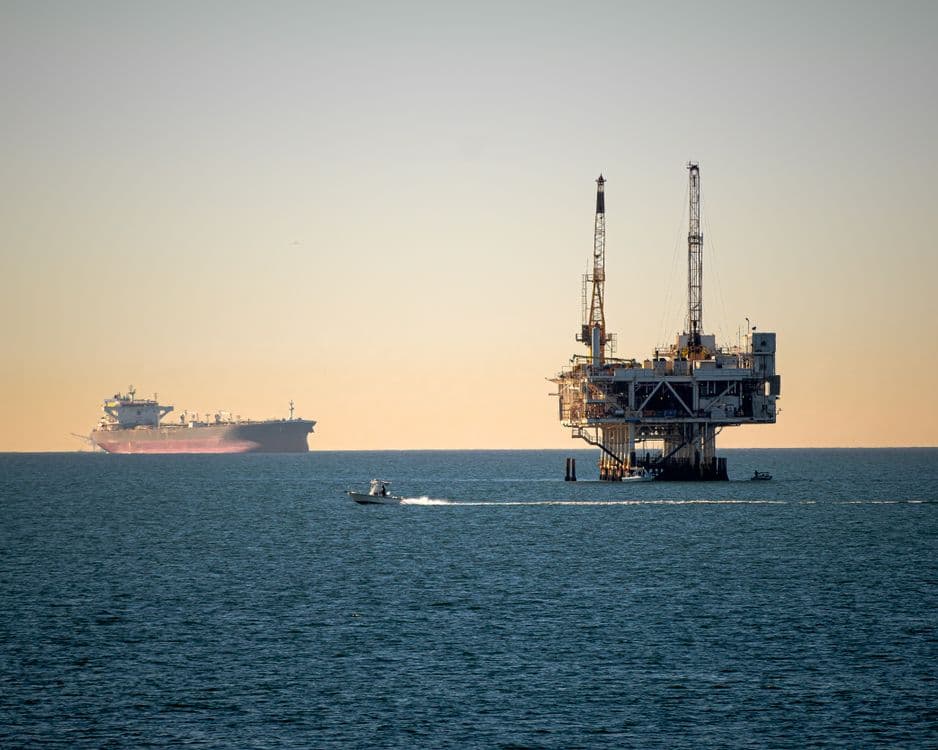
Brent crude, the global benchmark for oil, has jumped almost 40 percent so far in July as fighting between the United States and Iran disrupted two of the worlds most important shipping arteries. Supply fears spread from the Strait of Hormuz, through which about a fifth of the worlds oil passes, to the Red Sea, a key alternative route for Saudi exports.
The rally cooled on Friday, with Brent falling nearly 4 percent to around 96 dollars a barrel after reports that Pakistan, backed by China, was trying to revive negotiations between Washington and Tehran. Even after that dip, oil ended the week up roughly 10 percent.
US Central Command carried out its 13th consecutive night of strikes on Iranian military and maritime targets before pausing late on Friday. Iran said it had halted retaliatory strikes and opened talks with Oman over access to the Strait of Hormuz.
The sharp moves capped one of the most volatile months for energy markets in years, with prices swinging on each twist in the diplomatic and military standoff.
Why it matters
Oil is the lifeblood of the global economy. It fuels cars, lorries, ships and planes, and it is a raw ingredient in everything from plastics to fertiliser. When the price jumps this fast, the cost ripples through almost every product and service you buy.
For the UK, which imports much of its oil and gas, a sustained spike is especially painful. Higher crude prices feed quickly into petrol at the pump and, with a lag, into the cost of heating homes and running factories. That threatens to reverse the recent progress on inflation.
Markets also hate uncertainty. The Strait of Hormuz is a narrow channel that carries a huge share of the worlds seaborne oil, so any threat to shipping there sends traders scrambling and prices soaring on fear alone, before a single barrel is actually lost.
The Friday pullback shows how quickly sentiment can flip when diplomacy offers a glimmer of hope.
Explained simply
Picture the Strait of Hormuz as a single narrow doorway that most of the worlds oil must squeeze through. Rattle that doorway and the whole global market flinches.
Oil is priced globally, so a disruption anywhere pushes up the price everywhere. It does not matter that Britain buys little of its oil from the Gulf directly. If supply is threatened in one region, buyers compete for barrels from elsewhere, and the price rises for all of them.
Much of the recent move is driven by fear rather than actual shortage. Traders price in the risk that shipping could be blocked, so prices climb even while oil is still flowing. When a peace signal appears, as it did on Friday, that fear premium drains away and prices fall back.
This is why headlines about ceasefires and negotiations move the oil price so sharply. The market is constantly betting on what might happen next, not just on what is happening today.
What it means for you
The most immediate hit is at the petrol pump. A 40 percent jump in crude does not pass through fully or instantly, but drivers can expect pump prices to climb by several pence per litre in the coming weeks if oil stays elevated. Filling a typical family car could cost a few pounds more each visit.
Heating and energy bills are the next concern. Britain has just seen its energy price cap rise 13.5 percent, and sustained high oil and gas prices could keep upward pressure on bills into the autumn and winter. Households on variable tariffs are most exposed.
There is a knock on effect for investments too. Higher energy costs squeeze company profits and can unsettle share markets, though oil majors such as Shell and BP tend to benefit, which can cushion FTSE 100 tracker funds that hold large stakes in them.
The practical step is to budget for pricier fuel and to lock in a fixed energy tariff if a competitive one is available.
The bigger picture
Energy shocks have a long history of derailing economic recoveries, and this one arrives just as inflation was finally coming under control. The key question is whether the Friday de escalation holds or whether hostilities flare again.
Watch the Strait of Hormuz, the pace of US Iran talks, and the weekly oil price. A durable ceasefire could send crude back toward pre conflict levels, while a fresh escalation would push it higher and threaten the inflation gains of recent months.