What happened
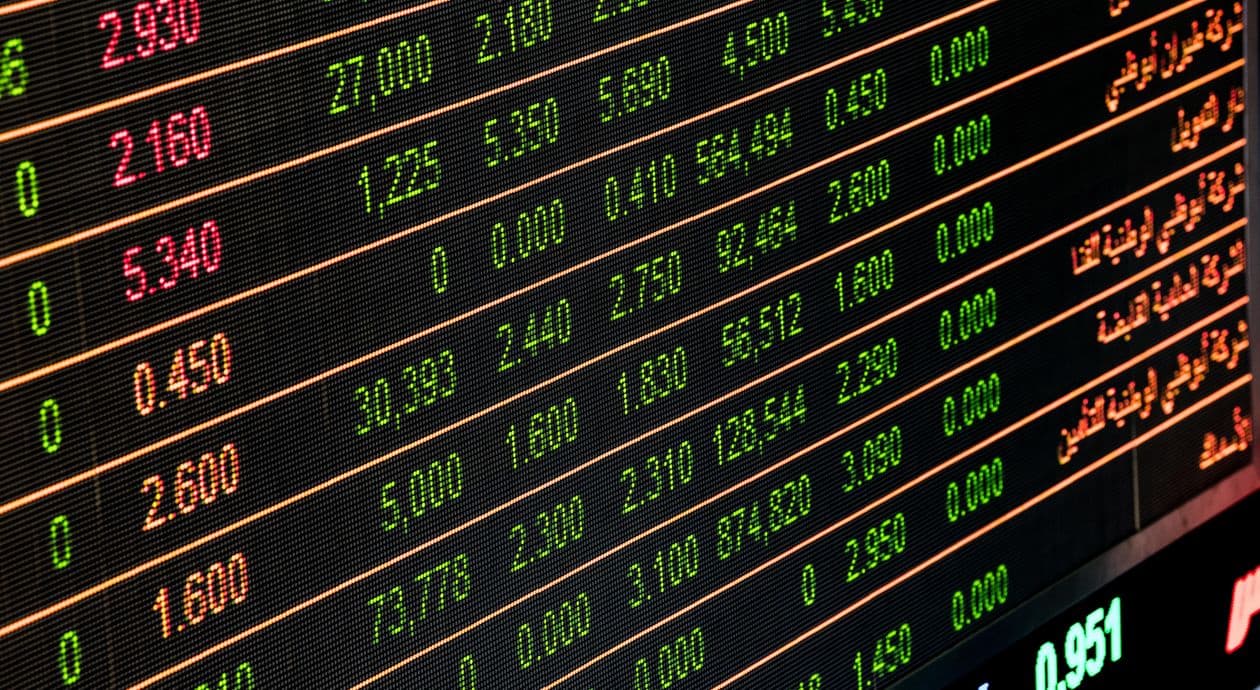
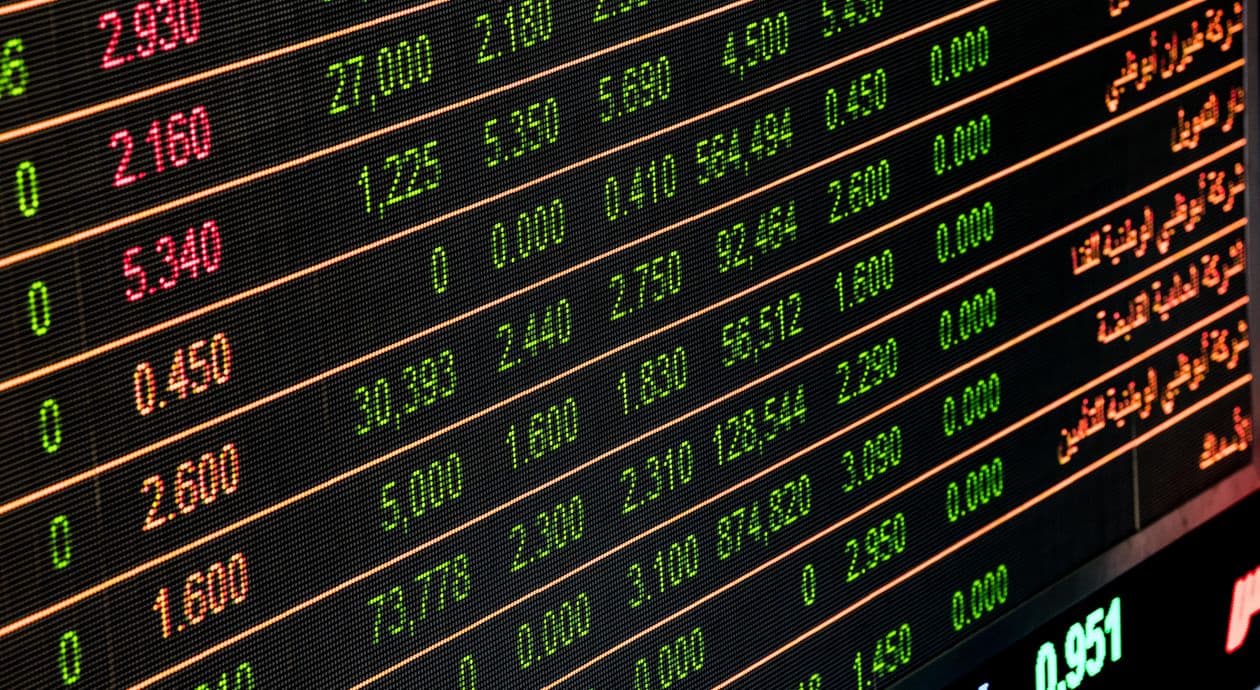
US shares fell sharply after the Federal Reserve decision, with the S&P 500 down 1.52 percent and the technology-heavy Nasdaq Composite off 1.74 percent. Investors took fright at the Fed signal that its next rate move could be up rather than down.
London went the other way. The FTSE 100 added 0.38 percent to touch a fresh all-time high, buoyed by strong corporate earnings and rising oil prices, which lift its many energy and commodity heavyweights. Europe Stoxx 600 rose 0.30 percent.
The split shows how differently the two sides of the Atlantic are placed. Wall Street is packed with high-growth technology names that suffer most when rates stay high, while London is stuffed with oil majors, miners and banks that thrive when energy prices and interest rates are elevated.
There were bright spots in the US too. Microsoft jumped in premarket trading on the back of booming cloud sales, a reminder that strong earnings can still cut through a nervous market.
Why it matters
Stock indices like the S&P 500 and FTSE 100 are the scoreboards of the investing world, and they sit inside almost every pension and long-term savings plan. When they move, the value of millions of retirement pots moves with them.
The divergence is the real story. It shows why spreading your money across different markets matters. On a day when US technology stocks tumbled, UK shares rose, so an investor holding both would have felt far less pain than one holding only one side.
The trigger, the Fed hint at higher rates, also explains the pattern. Higher rates hurt companies whose value rests on profits far in the future, which describes many US tech firms, while helping the banks and energy giants that dominate London.
Explained simply
Think of interest rates as gravity for share prices. When rates rise, gravity gets stronger, and the high-flying growth stocks fall the furthest and fastest.
A share price is really a bet on a company future profits. Growth companies, like many technology firms, promise most of their profits years down the line. When interest rates rise, those far-off profits are worth less today, because investors could instead earn a safe return by simply holding cash. So the loftiest stocks drop hardest.
Value companies, such as oil majors and banks, make solid profits right now and often pay them out as dividends. Higher rates hurt them far less, and in the case of banks can even help, because they earn more on the loans they make. That is why London, full of these steadier names, can rise on the very day New York falls.
Neither market is right or wrong. They are simply built from different ingredients, and interest-rate news suits one recipe more than the other.
What it means for you
If you check your pension or investment app after a day like this, do not panic at a red number on the US side. A well-built global tracker fund holds both American and British shares, so a fall in one is partly cushioned by a gain in the other.
This is the practical case for diversification. If all your money sits in a US tech fund or a single S&P 500 tracker, days like this hit your balance hard. Holding a global equity fund or adding a FTSE 100 tracker spreads the risk across regions that often move in opposite directions.
For long-term savers, the key discipline is to keep contributing steadily rather than reacting to one volatile session. Regular monthly investing means you buy more units when prices dip, which smooths out the bumps over time.
The bigger picture
Underlying company profits remain strong, with 86 percent of S&P 500 firms beating earnings forecasts and the index on track for its tenth straight quarter of growth. The sell-off was about interest-rate fears, not a collapse in business performance.
The path from here depends on the Fed. If inflation cools and rate-hike fears fade, US shares could rebound quickly. If energy prices keep climbing and the hawks gain ground, expect more choppy days. For UK-focused investors, a record-high FTSE is a welcome reminder that London unloved market can shine when conditions turn its way.