What happened
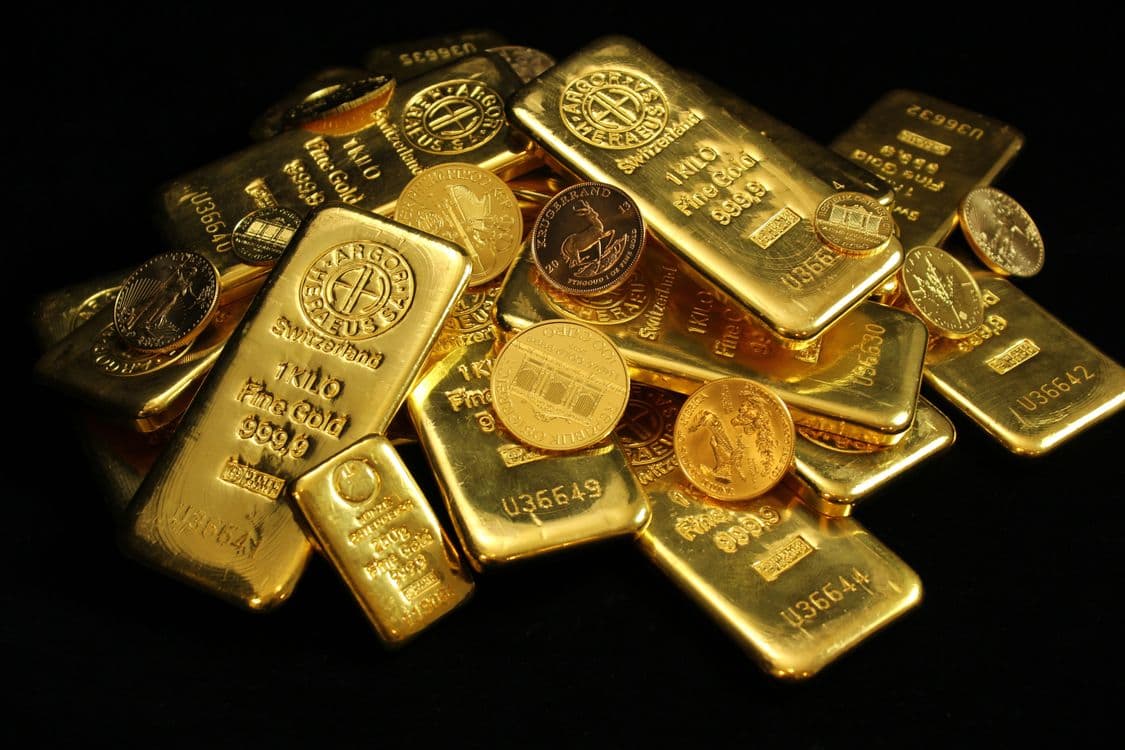
Gold surged past 4,100 dollars an ounce on Thursday, trading around 4,130 dollars in morning dealings after the US Federal Reserve left interest rates unchanged. August futures had opened at 4,060 dollars, up 0.6 percent on the day, before climbing further.
The rally came as continued fighting between the United States, Iran and their allies drove investors toward assets seen as safe in troubled times. Gold is the classic refuge when markets turn nervous.
Oil moved the other way, with Brent crude slipping 0.56 percent to 89.95 dollars a barrel over the previous 24 hours, showing how differently commodities can react to the same geopolitical backdrop.
Why it matters
Gold is a barometer of fear. When it rises sharply, it usually signals that investors are worried about conflict, inflation or shaky markets, and are parking money somewhere they trust.
A price above 4,100 dollars is striking because gold pays no interest, so it tends to shine most when other options look risky or when returns on cash are expected to fall.
The move also reflects the Fed holding rates. Steady rates and a tense world combine to make the metal more appealing, even to cautious long term investors.
Explained simply
Think of gold as a financial lifeboat. When the sea is calm nobody pays it much attention, but the moment a storm blows in, everyone scrambles aboard and the price of a seat jumps.
Gold has no earnings, no dividends and no chief executive. Its value comes almost entirely from what other people will pay for it, and that depends heavily on how safe or scared they feel.
When conflict flares, as it has in the Middle East, demand for that lifeboat rises and so does the price. When calm returns, some investors climb back out and the price can slip.
Because it pays no income, gold competes with cash savings. If the Fed were expected to raise rates, cash would look more attractive and gold less so, which is why the hold helped it climb.
What it means for you
Most people own gold indirectly, through a fund or a small slice of a diversified portfolio, rather than as bars or coins. A rising price lifts the value of that slice, but it is rarely a large part of any sensible plan.
Gold can act as insurance against inflation and turmoil, but it can also fall sharply and pays you nothing while you hold it. Financial planners typically suggest keeping it to a small share, often around 5 to 10 percent, of a portfolio.
If you are tempted to buy after a big rally, be careful. Chasing a price that has already jumped can mean buying near the top, so it is worth thinking about why you want it before acting.
The bigger picture
The climb toward record territory reflects an anxious world of war, sticky inflation and uncertain central banks. It is as much a comment on confidence as on the metal itself.
Watch the Middle East and the Fed. If tensions ease or interest rates are expected to rise, some of the shine could come off. If the conflict deepens, gold could push higher still.