What happened
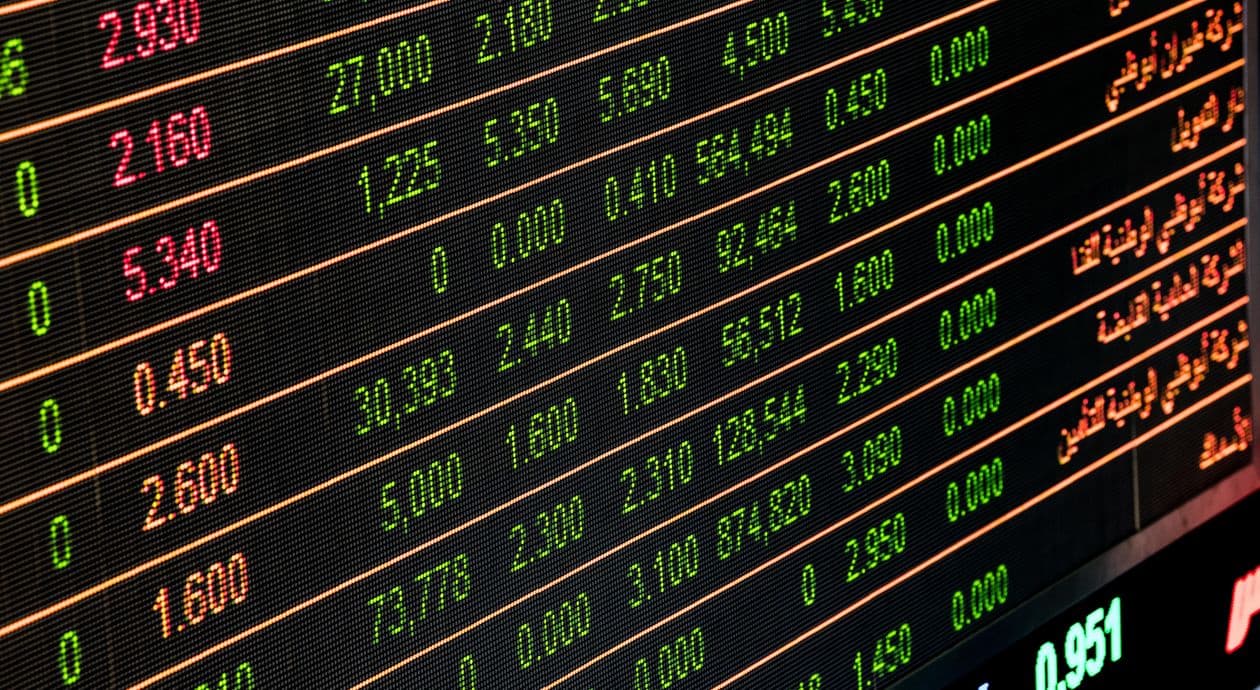
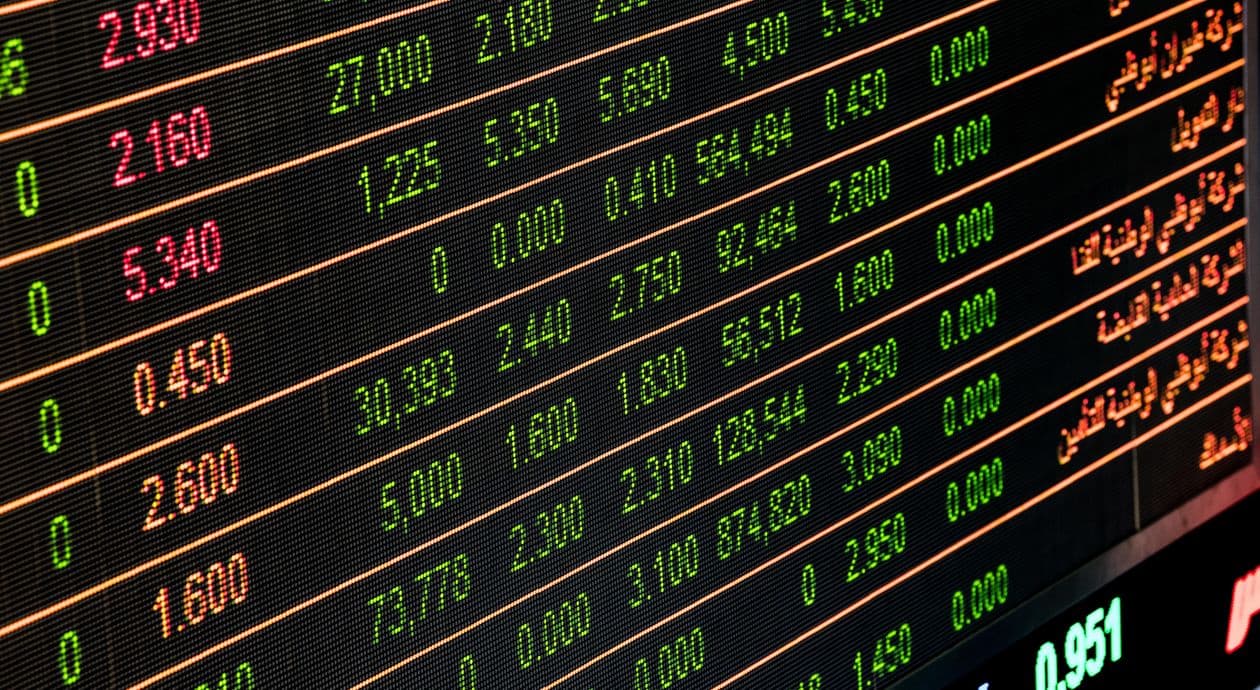
The S&P 500, the main index of large US companies, climbed 1.7 percent to a record close of 7,437.64, powered by a wave of strong corporate results. Research firm FactSet estimates American companies are on track for their tenth consecutive quarter of year-on-year earnings growth.
An eye-catching 86 percent of companies reporting so far have beaten analyst estimates for earnings per share, a measure of how much profit each share generates. The Dow Jones Industrial Average jumped 613 points, or 1.2 percent, to 52,208, while the technology-heavy Nasdaq Composite surged 2.8 percent to 25,122.
The rally came during the busiest stretch of earnings season, with Amazon, Apple and Coinbase all due to report after the closing bell. Investors also cheered a slide in oil prices, which eases costs for businesses and consumers alike.
There is a catch beneath the record. Much of the profit growth is concentrated in a handful of giant technology firms, leaving the broader market more reliant on a few names than the headline numbers suggest.
Why it matters
The S and P 500 is the benchmark for global investing. Trillions of pounds in pensions and funds worldwide track it, so when it hits a record, the value of a huge slice of the worlds retirement savings rises with it.
For UK savers, US shares are almost unavoidable. Most global tracker funds and many workplace pensions hold well over half their money in American companies, simply because the US market is the largest on earth.
A tenth straight quarter of earnings growth tells you corporate America is still making more money despite high interest rates. That resilience is what keeps the rally going and supports the funds ordinary savers rely on.
The warning sign is concentration. When a record depends on a few giant firms, a stumble by one of them can drag the whole index down, which makes the market more fragile than it looks.
Explained simply
Think of the S and P 500 as a team of 500 companies. Right now a handful of star players are scoring most of the goals, and they are carrying the whole team to a record win.
A stock market index is just a basket that tracks the combined value of many companies. The S and P 500 holds the 500 largest listed firms in America, so its level is a shorthand for how corporate America is doing overall.
Earnings season is the few weeks each quarter when companies reveal their profits. When most of them beat what analysts expected, as 86 percent have this time, share prices tend to rise and the whole index climbs.
The catch is that the biggest technology companies are so large that they sway the index far more than smaller members. If those few stars falter, the record could unwind quickly, even if the other players are doing fine.
For a saver, the practical takeaway is that your fund is probably enjoying strong US gains right now, but it is also leaning heavily on a small number of very large companies.
What it means for you
If you pay into a workplace pension or hold a global index tracker, this record is quietly boosting your balance. A typical global fund holds around 60 to 70 percent in US shares, so a 1.7 percent jump in the S and P 500 lifts most of your pot.
For anyone with a Stocks and Shares ISA invested in an S and P 500 tracker, the maths is direct. A 10,000 pound holding rose roughly 170 pounds on the day of this move, before currency effects. Over the ten quarters of earnings growth, patient investors have been well rewarded.
The lesson is not to chase the record but to check your diversification. If your money is entirely in US or technology funds, consider spreading some into UK, European or emerging market trackers so a wobble in a few American giants does not sink your whole portfolio.
Above all, avoid the temptation to pile in at a record high with money you might need soon. Markets that rise fast can fall fast, and money you need within five years is usually safer in a Cash ISA or savings account.
The bigger picture
Records are normal for the stock market over the long run. The S and P 500 has spent much of its history setting new highs, because company profits and the economy tend to grow over decades. The real question is always what comes next.
Ten straight quarters of earnings growth is an unusually long run. It shows US firms have adapted to higher interest rates far better than many feared. But history warns that concentration in a few names, as seen before past corrections, can leave markets exposed.
Watch the results from Amazon, Apple and the other giants. Because they carry so much of the index, their guidance for the months ahead will shape whether this record is a staging post or a peak.