What happened
UK inflation slowed to 2.6 percent in the 12 months to June, down from 2.8 percent the month before and the lowest reading in 15 months. The fall was bigger than economists had expected and offered welcome relief to households.
Inflation, the rate at which prices rise, has now stayed above the Bank of England target of 2 percent for a 21st consecutive month. Even so, the sharper-than-expected cooling reduced the odds of an interest rate rise this summer.
The catch lies ahead. July figures will include a 13.5 percent increase in the household energy price cap, the limit on what suppliers can charge per unit of gas and electricity, which is set to push energy bills up and could nudge inflation higher again.
The UK remains heavily exposed to imported oil and gas, so global energy swings feed quickly into domestic prices. That leaves the recent improvement looking fragile.
Why it matters
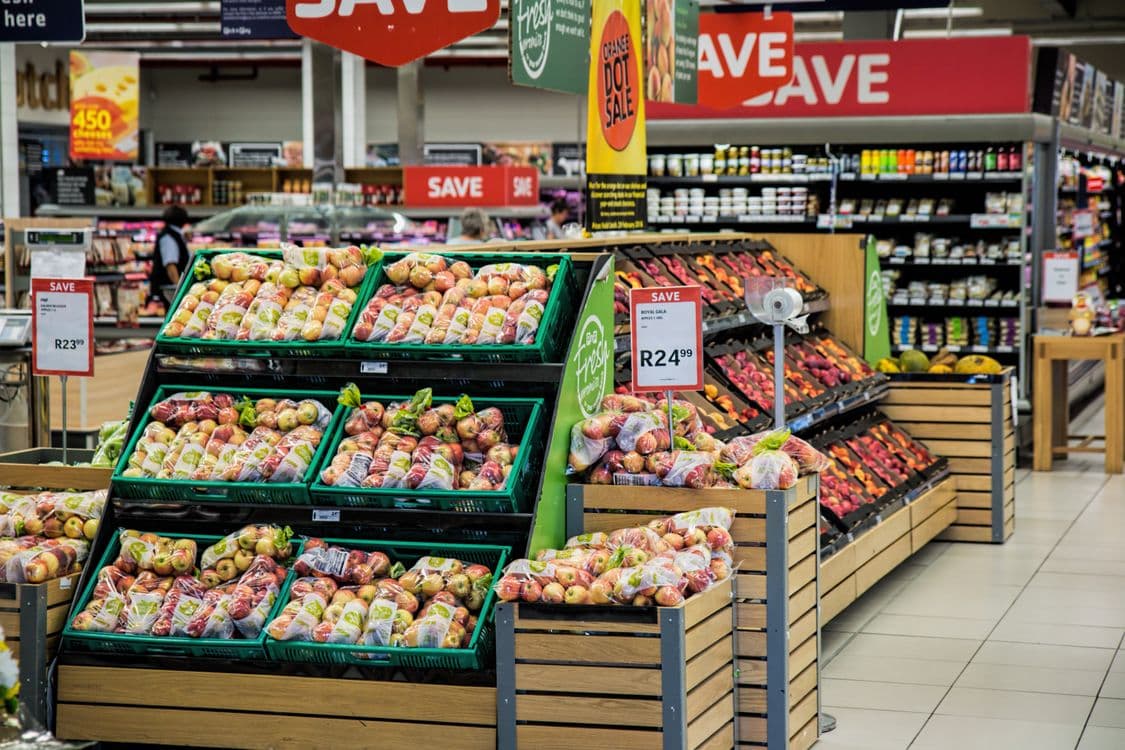
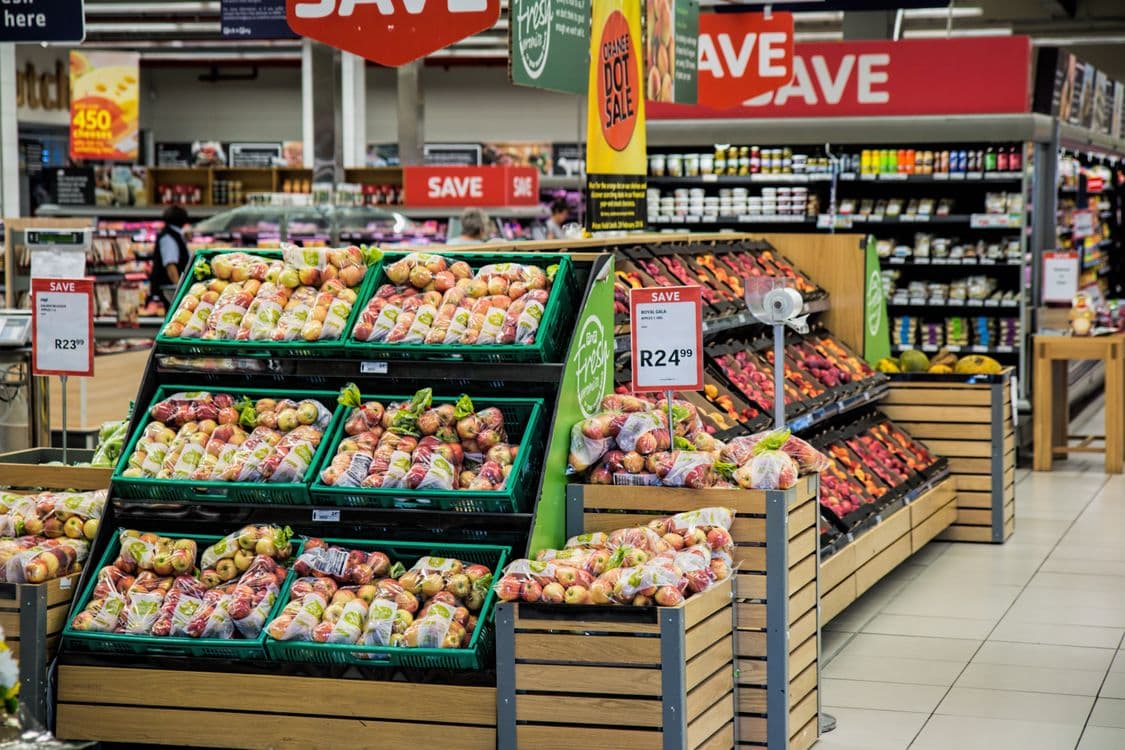
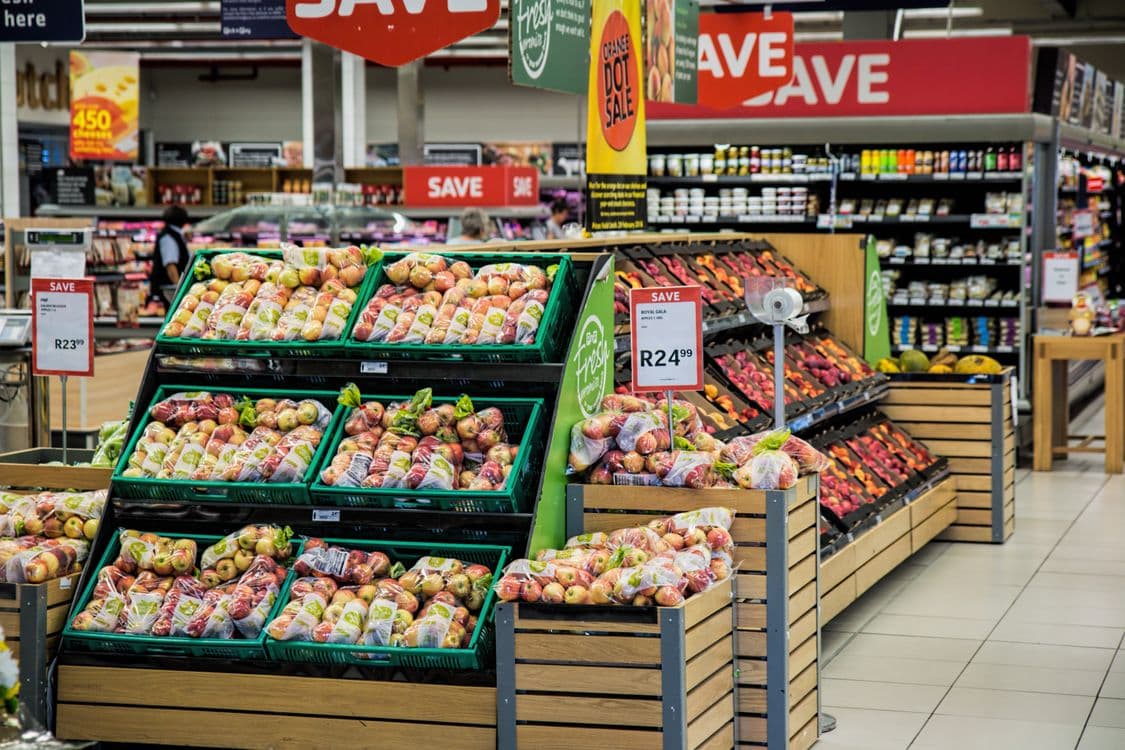
Inflation is the reason your weekly shop and monthly bills keep creeping up. When it slows, it does not mean prices fall, only that they are rising more gently, which eases the pressure on household budgets.
A drop to 2.6 percent means the typical basket of goods is getting more expensive far more slowly than during the painful spikes of recent years. For families, that is the difference between prices sprinting ahead of wages and merely walking.
The number also drives what the Bank of England does with interest rates. Cooling inflation gives policymakers room to consider cutting rates, which would lower the cost of mortgages and loans, though the looming energy cap rise complicates that decision.
Because the UK imports so much of its energy, the coming increase in the price cap shows how quickly external costs can undo domestic progress, keeping the squeeze on anyone already stretched by bills.
Explained simply
Think of inflation as the speed at which prices climb a hill. It has slowed from a sprint to a brisk walk, but the energy price cap is about to give it a fresh push uphill.
Inflation does not measure how high prices are, but how fast they are rising. A rate of 2.6 percent means that, on average, things cost 2.6 percent more than they did a year ago. The Bank of England wants that figure to sit at 2 percent, a pace it considers healthy.
The recent slowdown is good news because it means the cost of living is climbing more gently. Wages have a better chance of keeping up, so household budgets feel less stretched than during the double-digit inflation of a few years back.
The energy price cap is the ceiling regulators set on what suppliers can charge for each unit of gas and electricity. When that cap jumps 13.5 percent, millions of bills rise at once, and because energy touches everything, it can drag the whole inflation figure back up.
So the picture is a tug of war. Falling global oil prices pull inflation down, while the higher energy cap pushes it back up. Which force wins will decide how much breathing room your budget gets.
What it means for you
The immediate effect is on your weekly shopping. With inflation at 2.6 percent rather than the highs of recent years, grocery and everyday prices are rising far more slowly, so your money stretches further than it did last summer.
The bad news arrives on your energy bill. The 13.5 percent rise in the price cap means a typical household could see annual gas and electricity costs climb by a few hundred pounds, wiping out some of the relief from slower price rises elsewhere.
For savers, cooling inflation matters because it protects the real value of your cash. If your easy-access savings account or Cash ISA pays around 4 percent while inflation runs at 2.6 percent, your money is genuinely growing in buying power, a welcome change from the years when inflation outpaced savings rates.
For borrowers, slower inflation keeps alive the hope of Bank of England rate cuts, which would ease costs for anyone on a tracker mortgage or coming to the end of a fixed deal. But the energy cap rise makes an imminent cut less certain, so do not count on cheaper mortgages just yet.
The bigger picture
The UK has travelled a long way from the double-digit inflation of the early 2020s, when energy shocks sent the cost of living soaring. Getting back near the 2 percent target has been slow and uneven, and this months figure shows the job is nearly, but not quite, done.
The stubborn part is that inflation has now sat above target for 21 months in a row. Central bankers worry that if price rises stay elevated for too long, they become embedded in wages and expectations, making them far harder to shift.
Watch the July inflation data, which will capture the energy cap rise, and the Bank of England next rate decision. Together they will show whether the UK is finally taming inflation or facing another bumpy stretch. Cheaper global oil is the wildcard that could tip the balance in households favour.