What happened
UK inflation fell to 2.6 percent in the year to June, down from 2.8 percent in May and the lowest reading since March last year. The figure from the Office for National Statistics came in below the 2.7 percent economists had expected, the third month running that price growth has undershot forecasts.
The slowdown was driven mainly by cheaper motor fuel and food, two costs that hit household budgets hardest. Falling petrol prices in particular pulled the headline rate lower.
Economists warned the relief may prove short lived. A return to hostilities in the Middle East is pushing up energy prices, which could feed back into inflation over the coming months.
Why it matters
Inflation measures how fast the prices of everyday things are rising. When it falls, the cost of the weekly shop and the tank of fuel is climbing more slowly, which stretches every pound a little further.
A rate of 2.6 percent is close to the Bank of England 2 percent target, a sign the long battle to tame prices is largely working. That gives policymakers more confidence, even if they are not yet ready to cut rates.
Lower inflation also matters for wages and pensions. When prices rise more slowly, pay rises and the state pension stretch further in real terms, easing the squeeze on living standards.
Explained simply
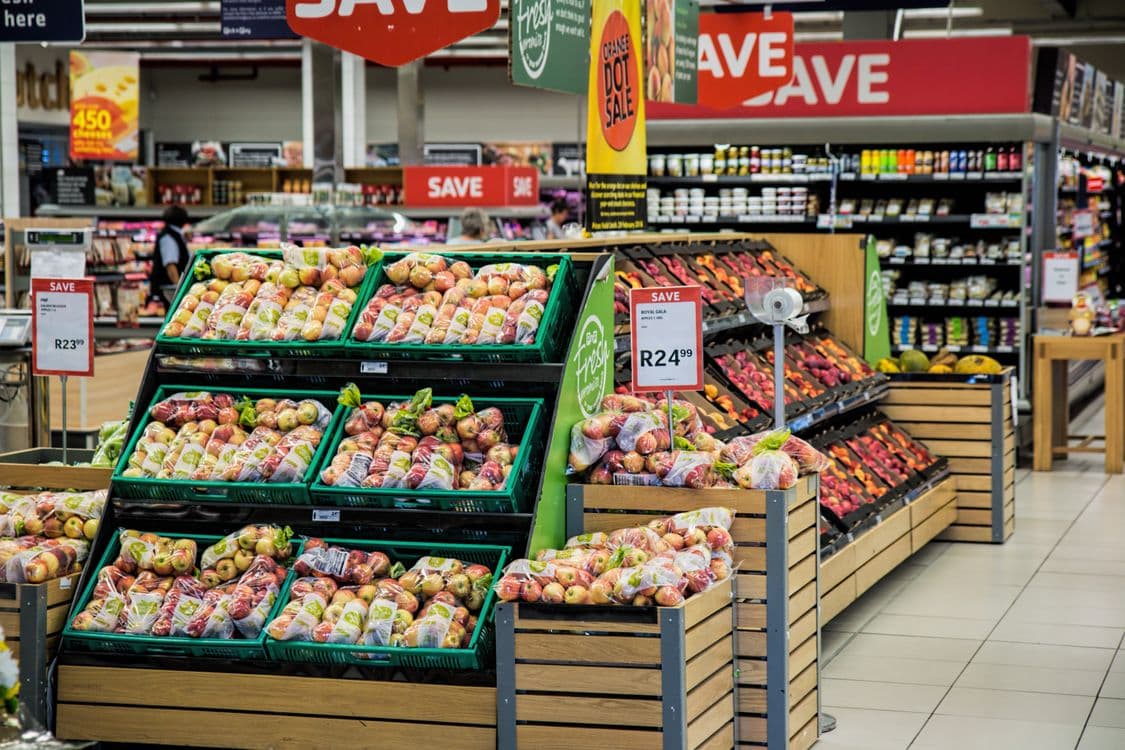
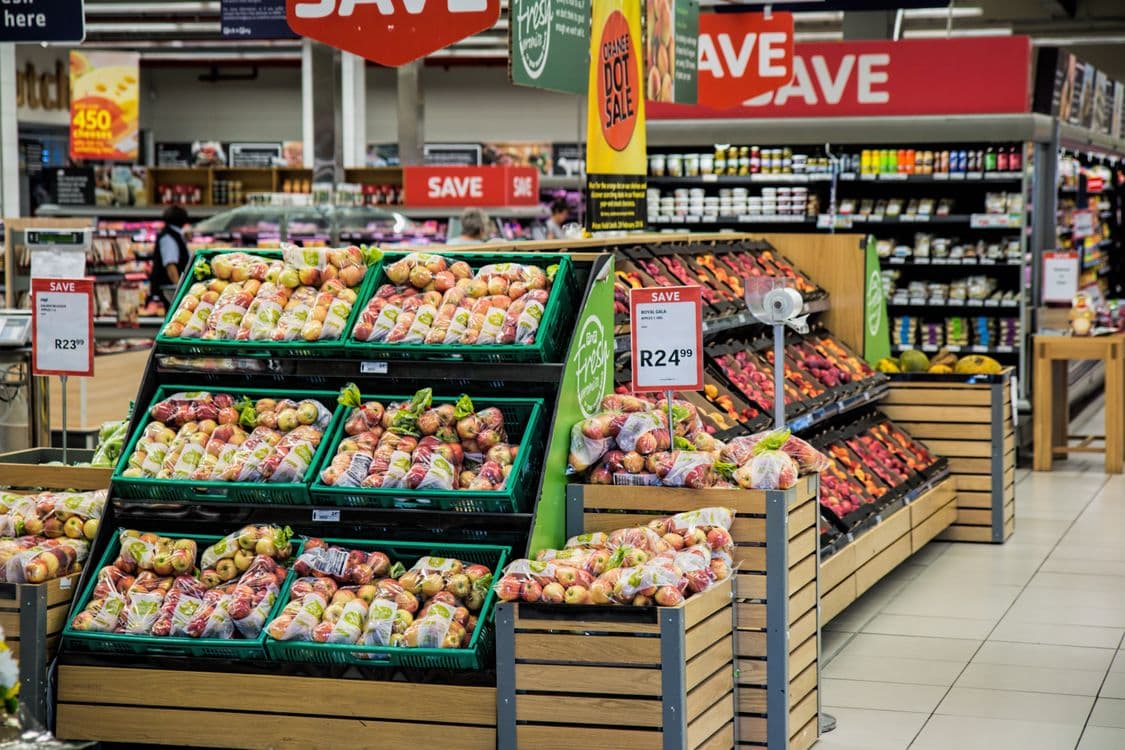
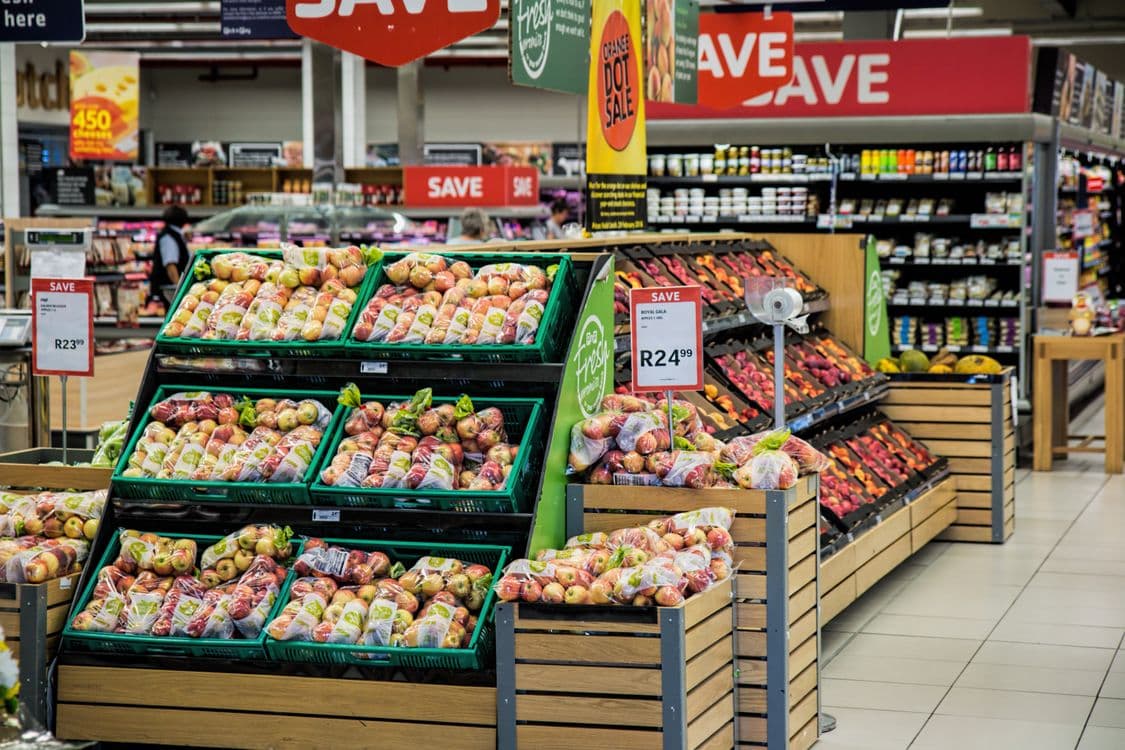
Think of inflation as the speed at which a shop keeps re-pricing its shelves. It has slowed from a jog to a gentle walk, so prices are still rising, just far less quickly than before.
Inflation is not about prices being high, but about how fast they are going up. A 2.6 percent rate means that on average something costing a pound a year ago now costs about a pound and three pence.
Petrol and food are volatile items that can swing sharply month to month. When they fall, as they did in June, they drag the whole basket lower, even if other costs are steadier.
The worry is that the same volatility can work in reverse. If Middle East conflict pushes oil back up, the shop starts re-pricing its shelves faster again, and inflation could tick higher.
What it means for you
At the fuel pump and the supermarket till, you may notice prices holding steadier than in recent years. Filling the car and doing the weekly shop should feel a little less punishing.
For savers, the gap between inflation at 2.6 percent and the best easy-access accounts near 4.5 percent means your money can now grow faster than prices, a real return after a long stretch of losing ground.
If you have a pay review coming up, lower inflation may mean smaller headline rises, but because prices are climbing more slowly, a modest increase can still leave you better off in real terms.
The bigger picture
Getting inflation down near target is a milestone after the turmoil of recent years. It shows the tighter policy of higher interest rates has done much of its job.
The question now is whether it lasts. Watch energy prices and the next few inflation readings closely, because a fresh spike could stall progress and keep the Bank of England from cutting rates.