What happened
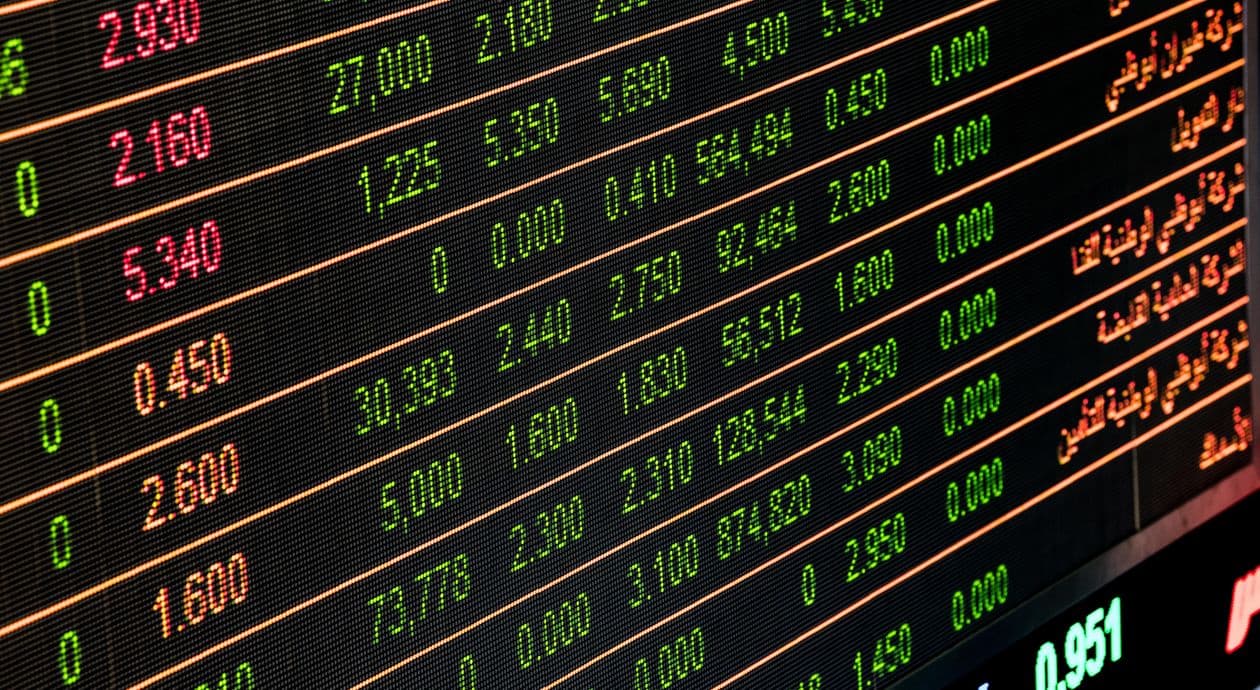
The FTSE 100, the index of the 100 largest companies listed in London, closed at a fresh all time high of around 10982 points, extending a powerful run for UK shares. The record came amid an upbeat mood across global markets driven by a strong corporate earnings season.
The milestone caps months of steady gains for an index that spent years in the shadow of Wall Street. British blue chip companies, many of them banks, miners, energy producers and consumer goods giants, have benefited from resilient profits and a growing appetite among global investors for shares seen as relatively cheap.
The move followed a buoyant session in the United States, where Amazon jumped 12 percent on strong cloud results and helped lift sentiment worldwide. When American markets are confident, that optimism tends to flow into London the same day.
The FTSE 100 is heavily weighted towards a handful of large sectors, so gains in banks, oil majors and mining groups can push the whole index to records even when the domestic UK economy is growing only slowly.
Why it matters
The FTSE 100 is the headline gauge of how UK listed big business is doing, and it sits at the heart of most British pensions. Millions of workers hold FTSE 100 tracker funds inside their workplace pensions, so a record high directly increases the value of their retirement savings.
A rising index also flatters the wider mood. Records make headlines, and confident markets can encourage companies to invest and consumers to feel wealthier, an effect economists call the wealth effect. That said, the FTSE 100 earns most of its money abroad, so it is as much a bet on the global economy as on Britain.
For savers it is a welcome contrast to years when the London market lagged behind New York. The gains show that a portfolio does not have to be packed with US technology names to grow.
Explained simply
Think of the FTSE 100 as a basket holding a slice of the 100 biggest firms in Britain. When the basket is worth more than ever before, that is a record high, and today the basket is fuller than at any point in history.
An index is simply a way of tracking a group of companies with a single number. The FTSE 100 adds up the value of its 100 members, giving more weight to the biggest ones, and boils it down to one figure that rises and falls as those shares move.
When that figure hits a level never seen before, the companies inside the basket are collectively worth more than at any time in the past. Crucially, most of those firms, the oil giants, the banks, the miners, earn the bulk of their money outside Britain.
So a FTSE 100 record does not necessarily mean the UK economy is booming. It means global demand for these large, international, London listed companies is strong, and that a weaker pound can also help by boosting the sterling value of their overseas earnings.
What it means for you
If your workplace or personal pension holds a FTSE 100 tracker, its value has risen in step with the index, and a record high means your UK share holdings are worth more today than ever before. Many default pension funds keep a meaningful slice in UK shares.
For anyone paying into a pension each month, records are a double edged sword. Existing holdings are worth more, which is good, but new contributions now buy shares at higher prices. Over a long career this evens out, and the steady habit of investing regularly matters far more than the level on any single day.
If you have been holding cash in an easy access savings account earning around 4 percent, the FTSE run is a reminder of the long term reward, and risk, of shares. Markets can fall as sharply as they rise, so money you may need within a few years is usually better kept in savings than chased into a rising index.
The bigger picture
The FTSE 100 spent a long time being written off as a stodgy, unloved index full of old economy companies. Its climb to records shows that value can come back into fashion, especially when investors worry that US technology shares have run too far.
The question now is whether the rally can continue without a booming domestic economy behind it. Watch the pound, since a weaker currency lifts overseas earnings, and watch global growth, because that is what ultimately drives the international giants at the top of the London market.