What happened
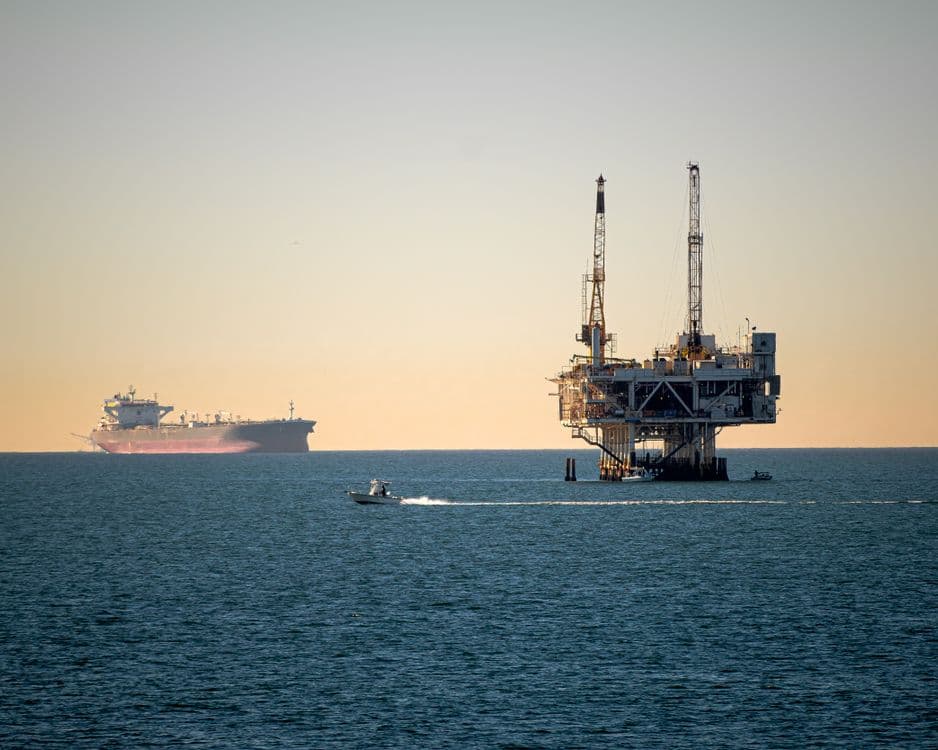
Oil prices fell again on Thursday 6 August after Iranian foreign ministry spokesman Esmaeil Baqaei said Iran and Oman had agreed on the coordinates for a proposed shipping route through the Strait of Hormuz, the narrow waterway through which roughly a fifth of global oil supply passes.
Brent crude futures, the international benchmark, slipped 0.5 percent to 79.08 dollars a barrel, while US West Texas Intermediate fell 0.7 percent to 74.69 dollars. Both benchmarks have now dropped sharply over five trading days — Brent down 10 percent and WTI down 12 percent.
The two countries are reportedly working on a joint statement based on points agreed during negotiations. US officials have separately signalled that a 60 day interim agreement to reopen the waterway without tolls could be announced within days.
The moves unwind part of a dramatic run-up: both benchmarks remain about 24 percent higher than before the conflict involving Iran began on 28 February, when fears of supply disruption sent prices surging.
Why it matters
Oil is the raw material of the world economy. When crude gets cheaper, so — eventually — does almost everything that moves: petrol, diesel, flights, freight and the goods carried on lorries and ships. That is why a 10 percent fall in a week matters far beyond trading floors.
Energy costs are also a key driver of inflation, the rate at which prices rise across the economy. Central banks including the Bank of England and the US Federal Reserve watch oil closely because expensive energy pushes up the cost of nearly everything else.
UK inflation eased to 2.6 percent in June, helped in part by falling fuel prices — diesel dropped 10.7 pence per litre between May and June. A sustained retreat in crude would reinforce that trend and give central banks more room to cut interest rates.
Explained simply
Imagine one narrow canal serving a fifth of the petrol stations on Earth — when the gate jams, prices spike everywhere; when someone finds the key, they fall just as quickly.
The Strait of Hormuz is that canal. It links the oil-rich Gulf to the open ocean, and there is no cheap alternative route for most of the crude that passes through it. Any threat to the strait instantly makes oil scarcer on world markets, so prices jump.
Markets trade on expectations, not just events. Traders are not waiting for tankers to actually sail the new route — the mere likelihood of a deal makes future supply look more secure, so the price of oil for delivery in coming months falls now.
That is also why prices can move so violently in both directions. The same barrel of oil was priced for scarcity in the spring and is being repriced for abundance this week, purely because the odds of disruption have changed.
What it means for you
The most direct effect is at the pump. UK petrol averaged around 155.3 pence per litre in June and diesel 176.4 pence — if crude holds at these lower levels, forecourt prices should drift down further over the coming weeks, since retailers typically pass on wholesale falls with a short delay.
Household energy bills could follow. Gas prices often move with oil, and cheaper wholesale energy would feed into the next round of price cap calculations, easing pressure on winter bills.
For savers and borrowers, the link runs through inflation. Cheaper energy keeps inflation on its downward path, which strengthens the case for the Bank of England to cut rates from 3.75 percent — good news for anyone remortgaging, less good for easy-access savings rates.
The bigger picture
Oil has been the most volatile major market of 2026, swinging from crisis pricing after 28 February to a rapid retreat as diplomacy has advanced. A formal joint statement from Iran and Oman, and the mooted 60 day interim deal, are the next milestones to watch.
Nothing is signed yet. If talks stall, prices could snap back just as fast as they fell. But for now, the direction of travel points towards cheaper energy — and a helpful tailwind for the global fight against inflation.