What happened
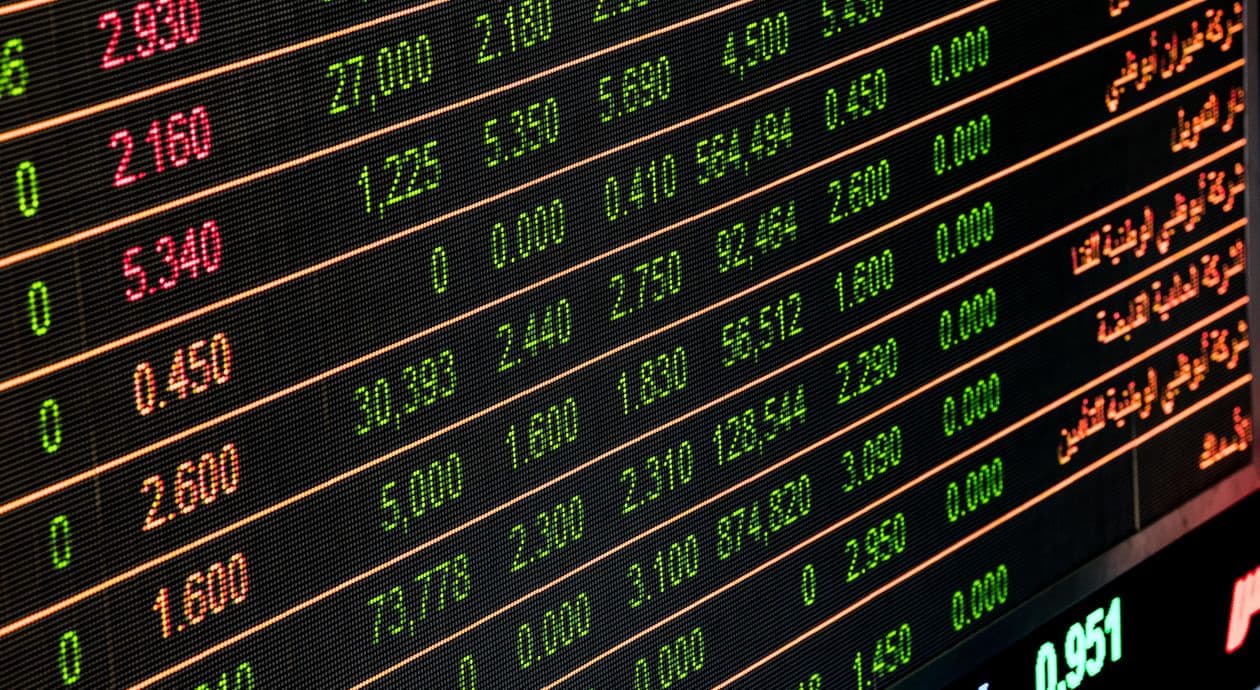
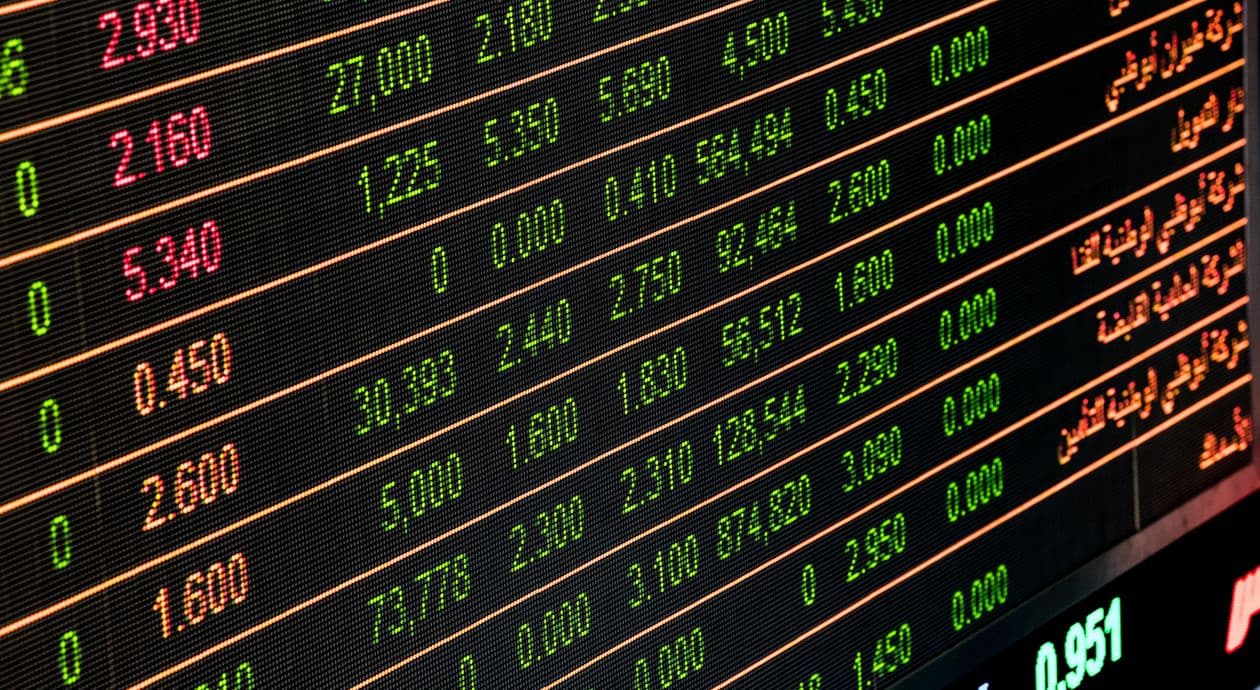
The S and P 500 gained 0.7 percent during the week to end around 7,800, then eased roughly 0.2 percent on Friday as investors took profits after touching a record high. That still left the index with its third consecutive weekly gain, one of the steadier runs of the year. The S and P 500 tracks the 500 largest listed US companies weighted by market value, and is the index most global pension money is ultimately benchmarked against.
The technology heavy Nasdaq Composite advanced 0.8 percent to close at 26,803.03, while the Dow Jones Industrial Average added 69.72 points, or 0.1 percent, to finish at 53,839.99. The most striking move came from the Russell 2000, the index of smaller American companies, which notched a fresh record to cap the week. Small caps had lagged badly through 2025 and early 2026, so a record there signals broadening rather than a narrow rally in a handful of large names.
The immediate drivers were data rather than earnings alone. July producer prices came in flat and July consumer prices rose just 0.1 percent, which together pushed the market implied odds of a September Federal Reserve rate rise down from around 41 percent to 32 percent. Cheaper expected money is worth more to smaller, more indebted companies than to cash rich technology giants, which explains why the Russell outperformed.
In Europe the tone was more mixed. The German DAX rose 181 points to 26,481, while the FTSE 100 slipped 8 points to 10,764, held back by weaker energy and mining names.
Why it matters
A rally driven by small caps as well as mega cap technology is a healthier rally. When only a handful of very large companies drive an index higher, the gains are fragile, because any disappointment from one of them can unwind weeks of progress. When smaller domestic companies join in, it usually means investors believe the broader economy is holding up, not just the artificial intelligence trade.
It also matters because most people are more exposed to this than they realise. A typical global equity tracker holds roughly 65 to 70 percent US shares. UK workplace pension default funds, which is where the overwhelming majority of British retirement money sits, are dominated by exactly these indices. Three consecutive up weeks on Wall Street shows up in a British pension statement.
The direct link to interest rate expectations is the key mechanism here. Share prices are, in essence, the present value of future profits. When the market expects lower interest rates, those future profits are discounted less heavily and shares are worth more today, before a single company reports a better number. That is why an inflation statistic can move an equity index more than an earnings report.
The divergence between a record breaking Wall Street and a flat FTSE 100 is worth noting too. The London index is heavy in energy, mining and banks, and light in technology, so it participates far less in rallies driven by rate expectations and artificial intelligence enthusiasm.
Explained simply
A stock market rally led only by giant technology firms is a table standing on one leg. When small companies join in, you finally get the other three.
Think of the US market as a pub with 500 customers. For much of the last two years, roughly seven very tall people at the bar have been responsible for almost all the noise. Everyone else was quiet. The index rose because those seven kept getting taller, not because the room got busier.
The Russell 2000 is the rest of the pub, the two thousand smaller companies that mostly sell to American households and businesses rather than to the world. They borrow more, they carry more floating rate debt, and they have no overseas cushion. When they do well, it usually means domestic conditions are actually improving.
Interest rate expectations are the reason they moved this week. A small company with a large floating rate loan feels every change in borrowing costs immediately, while a technology giant sitting on tens of billions in cash barely notices. So when the odds of a rate rise fall, the smaller companies get the bigger boost.
None of this means the rally is safe. Records are set on the way up and on the way to the next correction alike. It simply means the current advance rests on more than one story.
What it means for you
If you hold a global tracker such as a FTSE All World or MSCI World fund inside an ISA or pension, three consecutive winning weeks in the US has done most of the work on your balance. Check your allocation rather than your balance, though: after a run like this, your equity weighting has drifted higher than you originally set, and rebalancing back to target is the unglamorous discipline that protects you in the next downturn.
If you are contributing monthly, a rising market means each contribution buys fewer units. That is not a reason to stop. Regular investing works precisely because it buys more when prices fall, and the temptation to pause during strong runs is one of the most reliable ways to damage a long term return.
UK focused investors should note the gap. A FTSE 100 tracker returned very little this week while the S and P 500 hit records, but the FTSE yields roughly 3.5 percent in dividends against about 1.2 percent for the US index. If you rely on investment income, that gap is the trade off you are making.
Anyone within a few years of retirement should treat records as a prompt to check how much equity risk they still carry, rather than as a reason to add more.
The bigger picture
US equities have now spent most of 2026 climbing a wall of worry about tariffs, energy costs and the possibility that the Federal Reserve would have to raise rates rather than cut them. Each of those fears has so far failed to materialise in the data, and the market has repriced accordingly.
The next real test is the Federal Open Market Committee meeting on 15 and 16 September. Markets are currently pricing roughly a two in three chance of no change. If the Fed surprises with a rise, the small cap gains of this week are the most likely to unwind first, because they were built directly on the assumption that it would not.
Watch the breadth of the market rather than the headline level. If the Russell 2000 keeps pace with the S and P 500 through September, the rally has genuine foundations. If it falls away and only the largest technology names hold up, the table is back on one leg.