What happened
UK inflation fell to 2.6 percent from 2.8 percent the month before, the softest reading in more than a year. Consumer price inflation measures how much a fixed basket of goods and services costs today compared with the same basket twelve months ago, so 2.6 percent means the average household is paying roughly 2.6 percent more than last year for the same shopping.
Transport was the single biggest source of the slowdown. Transport inflation dropped to 5.7 percent from 6.8 percent, with the largest downward contribution coming from motor fuels and diesel in particular. Diesel prices matter well beyond the pump, because almost everything sold in a British shop arrived on a lorry, so falling diesel costs work their way through the whole retail chain.
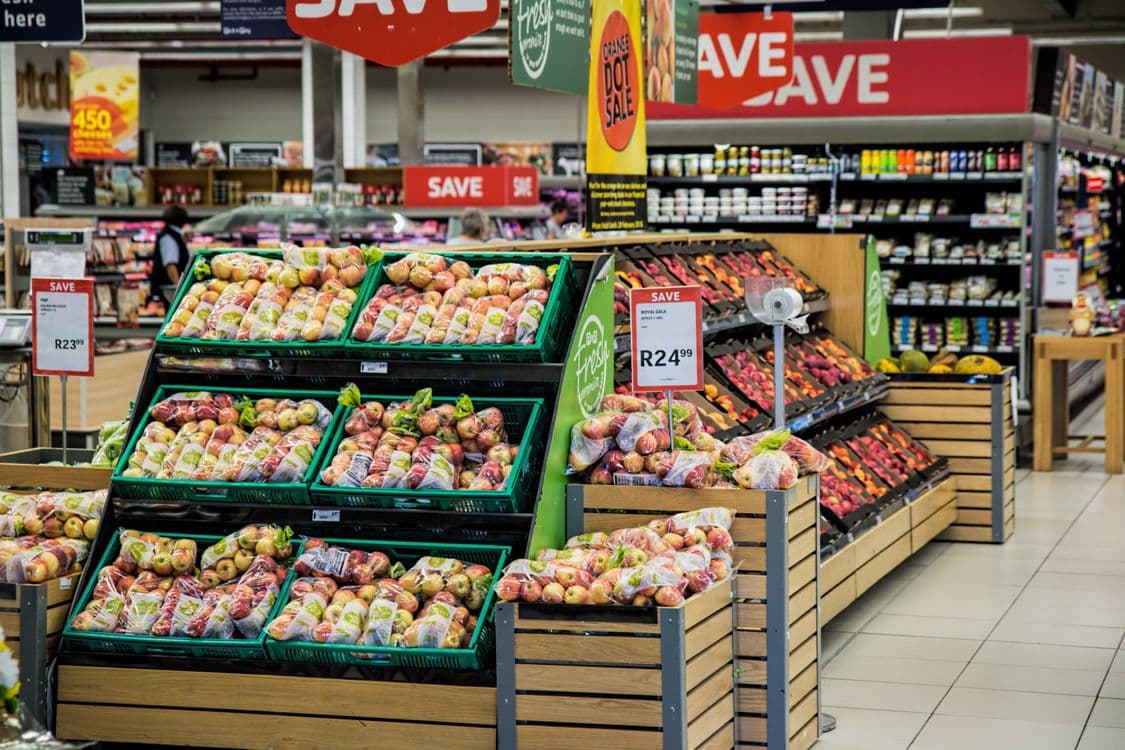
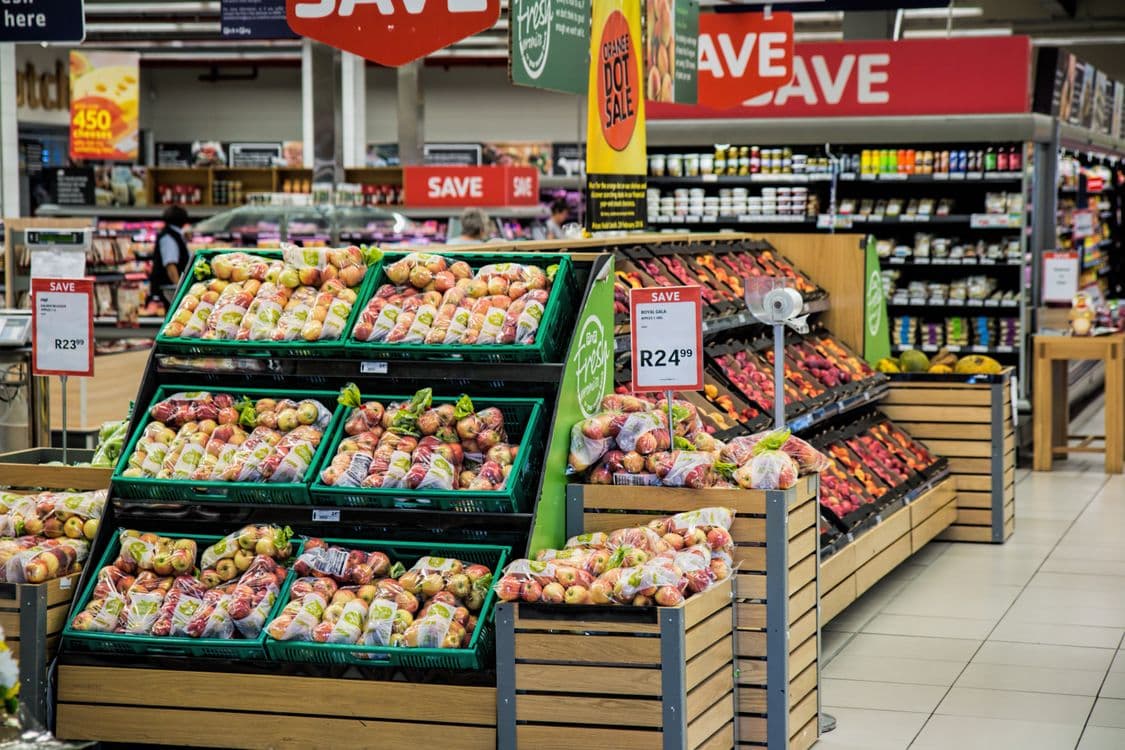
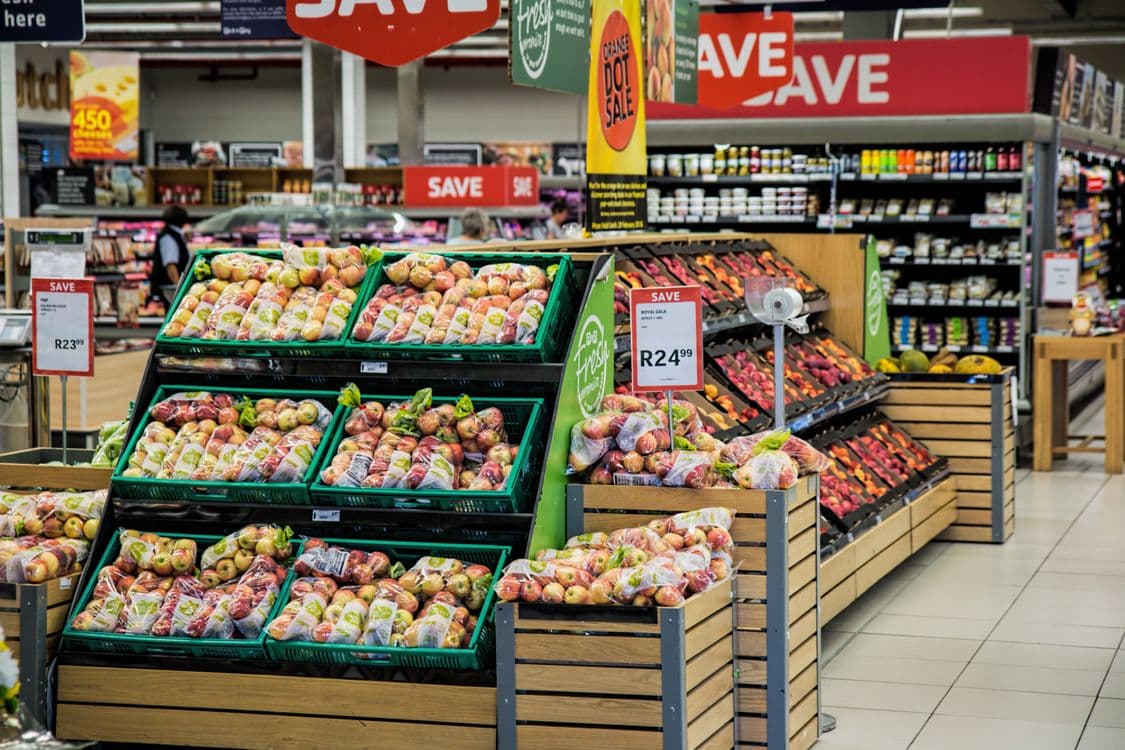
Food inflation also cooled sharply, falling to 1.7 percent from 2.2 percent. That is the lowest food inflation reading since August 2024 and a meaningful relief for lower income households, who spend a far larger share of their budget on groceries than the average consumer the index is built around.
The problem is what comes next. Deutsche Bank expects inflation to peak between 3.3 and 3.5 percent in the final quarter of 2026. The consensus among economists is worse still, with the average forecast pointing to 3.7 percent by the end of the year, driven almost entirely by higher energy bills and geopolitical uncertainty around supply.
Why it matters
Inflation determines whether a pay rise is real. If wages grow 4 percent while prices grow 2.6 percent, living standards genuinely improve. If prices climb back to 3.7 percent while pay settlements stay where they are, that improvement quietly disappears without anyone receiving a pay cut.
It also drives interest rate policy. The Bank of England holds a 2 percent inflation target, and at 2.6 percent it is close enough for the committee to sit on its hands. At 3.7 percent it is not, which is precisely why three Monetary Policy Committee members already voted to raise Bank Rate at the July meeting. A winter inflation spike would strengthen their hand considerably.
The composition of the slowdown matters as much as the level. Falling fuel and food prices are welcome, but both are volatile and driven by global commodity markets rather than domestic demand. Services inflation, which reflects wages and is far stickier, has not fallen nearly as far. That means the underlying inflation problem is less solved than the headline suggests.
For anyone on a pension, benefits or index linked income, the timing is significant. The September inflation figure is the one traditionally used to uprate the state pension and many benefits from the following April, so an autumn spike would actually raise those payments, at the cost of a squeeze in the meantime.
Explained simply
Inflation is not the height of the hill, it is how steeply you are still climbing. At 2.6 percent the slope has eased, but nobody has walked back down to where prices were.
This is the point most people find frustrating. Falling inflation does not mean the shopping is getting cheaper. It means it is getting more expensive more slowly. The price rises of the last four years are locked in permanently.
Picture a weekly shop that cost 100 pounds in 2021. At the peak of the inflation surge it jumped to around 130 pounds. Inflation at 2.6 percent means that this year it becomes roughly 133 pounds, rather than the 140 it would have reached if inflation had stayed high. Better, certainly. But it is never going back to 100.
The forecast rise to 3.7 percent is best understood as the hill steepening again rather than a new hill appearing. It is driven almost entirely by energy, because household energy bills are reset at fixed points in the year through the price cap, so an increase in wholesale gas costs today shows up as a step change in the index several months later.
That is also why the Bank of England often looks through energy driven spikes. They fade out of the annual comparison twelve months later. The danger is if workers respond to higher bills by demanding higher pay, and firms pass that through to prices, which is how a temporary spike turns into permanent inflation.
What it means for you
Your savings need to beat 2.6 percent just to stand still, and 3.7 percent if the forecasts prove right. An easy access account paying 4.2 percent currently gives you a real return of roughly 1.6 percentage points. If inflation hits 3.7 percent while rates hold, that real return shrinks to about 0.5 points, so cash sitting in a current account paying nothing is losing purchasing power fast.
A Cash ISA is worth prioritising for this reason. Interest is tax free, so a 4.2 percent Cash ISA genuinely delivers 4.2 percent, while the same rate in a taxable account leaves a basic rate taxpayer with roughly 3.4 percent after tax, barely ahead of the forecast inflation rate.
On energy, the forecast rise gives a concrete reason to act before winter. Fixed energy tariffs are typically priced off forward wholesale costs, so if the market is expecting higher gas prices, fixed deals available today already reflect part of that and may still beat the cap when it resets.
For longer term money, index linked investments and equities have historically protected purchasing power better than cash over multi year periods. A FTSE 100 tracker yields roughly 3.5 percent in dividends alone, though with the volatility that comes with equity exposure.
The bigger picture
UK inflation peaked above 11 percent in late 2022 and has spent nearly four years grinding lower. Reaching 2.6 percent is a real achievement, and it came without the deep recession that many economists predicted would be necessary to get there.
The 2026 story is different in character. This is not the demand driven, post pandemic inflation of 2022. It is a supply story, driven by energy prices and geopolitical risk, and central banks have far less ability to influence it. Raising interest rates does not produce more gas.
Watch the September consumer price release and the autumn energy price cap announcement. Together they will determine whether the forecast rise to 3.7 percent materialises, and whether the Bank of England spends the winter defending a hold or explaining a rise.