What happened
Two of the most closely watched commodities moved in opposite directions this week. Gold held near 4,400 dollars an ounce, close to its highest level in ten weeks, while Brent crude, the global benchmark for oil pricing, fell more than 5 percent to around 83 dollars a barrel. West Texas Intermediate, the American benchmark, dropped more than 6 percent to roughly 79 dollars.
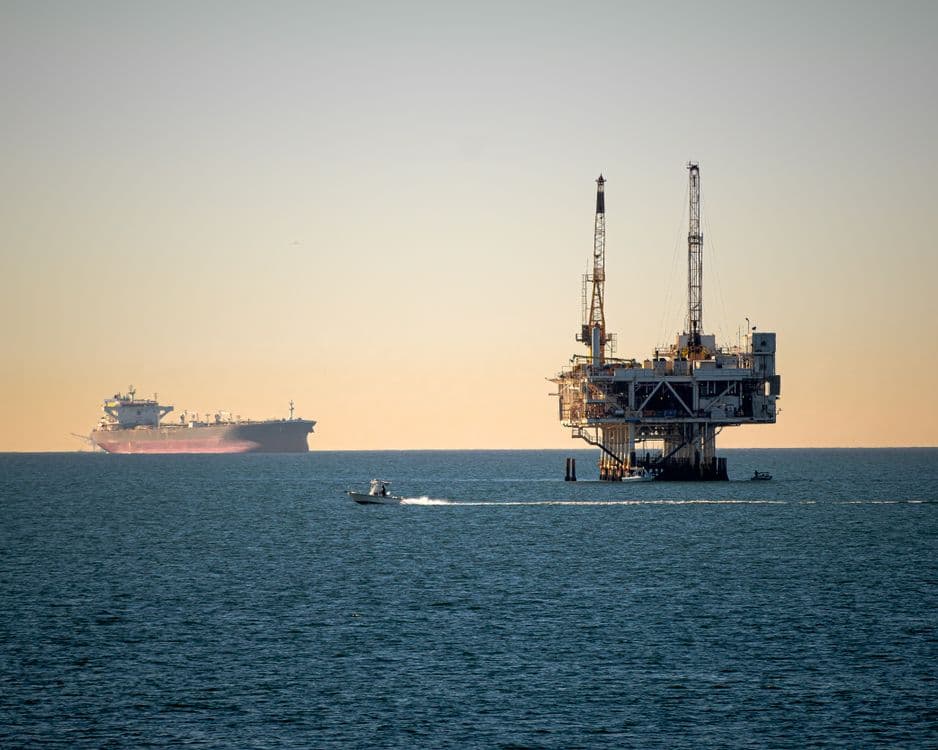
The oil decline has a clear cause. OPEC plus, the group of major producers including Saudi Arabia and Russia that coordinates supply, approved a September production increase of 188,000 barrels per day. Adding barrels to a market that analysts already describe as heading toward oversupply pushed prices sharply lower.
Gold has travelled a very different path this year. It reached an all time high of 5,626.80 dollars an ounce on 29 January 2026 before falling back hard through the spring. The current level sits well above the June lows but remains more than 20 percent below that January peak.
The link between the two runs through interest rates. Cheaper oil reduces energy driven inflation. Lower inflation reduces the pressure on the Federal Reserve to raise rates. Lower expected rates reduce real yields, meaning the return on government bonds after inflation is stripped out, which makes gold more competitive against Treasuries because gold pays no income at all.
Why it matters
Oil is the single most important input price in the global economy. It sets the cost of moving goods, heating homes, making plastics and fertilisers, and flying aircraft. When crude falls 5 percent, that discount eventually reaches the price of almost everything, though the pass through takes months rather than days.
For central banks the fall is welcome news. Energy has been the most volatile component of inflation throughout the war, and the Bank of England explicitly built energy market pricing into its forecast that UK inflation would run just under 3 percent this quarter. Cheaper oil pushes that forecast in a helpful direction.
Gold matters for a different reason. It is the asset investors buy when they doubt the alternatives. Its resilience near 4,400 dollars, even after a 20 percent fall from the peak, suggests a persistent underlying bid from central banks and investors hedging against currency debasement and geopolitical risk.
For UK households the oil move is the one that touches daily life. Petrol and diesel prices track crude with a lag of roughly four to six weeks, and wholesale gas contracts often move in sympathy with oil.
Explained simply
Oil is the thermostat of the world economy and gold is the smoke alarm. This week the thermostat was turned down while the alarm kept quietly beeping in the background.
Oil prices are set by the balance between how much producers pump and how much the world burns. OPEC plus can move that balance directly by agreeing to open or close the taps. Adding 188,000 barrels a day is modest against global consumption of over 100 million barrels, but markets trade on direction as much as size, and the signal was that supply discipline is loosening.
Gold has no earnings, no dividend and no interest payment. Its entire appeal is that it cannot be printed. That makes it a direct competitor to government bonds, which do pay interest. When bond yields after inflation are high, gold looks expensive to hold. When those real yields fall, gold looks relatively better.
So the chain works like this. Cheaper oil lowers inflation. Lower inflation lowers expected interest rates. Lower expected rates lower real bond yields. Lower real yields make gold more attractive. That is why a commodity that produces nothing can rally on news about a completely different commodity.
The complication is that both markets are also trading on the war. Any escalation would reverse the oil move instantly and push gold higher for entirely separate reasons, which is why positioning in both remains nervous.
What it means for you
The most direct effect is at the forecourt. UK petrol prices typically follow crude with a four to six week lag, so a sustained move to 83 dollar Brent would translate into pump prices easing by a few pence per litre into the autumn, assuming sterling holds steady.
On energy bills, the connection is looser because UK domestic tariffs are set by the price cap using wholesale gas contracts bought months ahead. Cheaper oil helps at the margin but will not change your next bill. If you are considering a fixed energy tariff, softer wholesale prices strengthen the case for waiting rather than locking in now.
On gold itself, resist the urge to chase. Most financial planners suggest a strategic allocation of no more than 5 to 10 percent of a portfolio, held through a physically backed exchange traded commodity fund rather than coins, which carry dealer spreads of several percent. Gold held in an ISA avoids capital gains tax on any profit.
If you hold FTSE 100 tracker funds, note that energy majors make up a meaningful chunk of the index, so falling crude is a headwind for UK share performance even as it helps your household budget.
The bigger picture
Commodity cycles are long and violent. The gold move from below 2,000 dollars in 2023 to above 5,600 dollars in January was one of the most powerful bull runs in the history of the metal, driven by central bank buying, war and doubts about the sustainability of government debt. The subsequent 20 percent drawdown is a reminder that nothing rises in a straight line.
For oil, the structural question is whether OPEC plus is defending price or defending market share. Historically, when the group shifts toward volume over price, the result has been extended periods of lower crude, as happened in 2014 and again in 2020.
Watch the next OPEC plus meeting and weekly US inventory data. If stockpiles keep building while output rises, the oversupply that analysts are warning about becomes a reality rather than a forecast, and 83 dollars would not be the floor.