What happened
Minutes of the 28 to 29 July policy meeting, published on 19 August, showed that several members of the Federal Open Market Committee judged a further rate increase would be warranted if inflation failed to resume its decline. The committee left its target range for the federal funds rate unchanged at 3.50 to 3.75 percent.
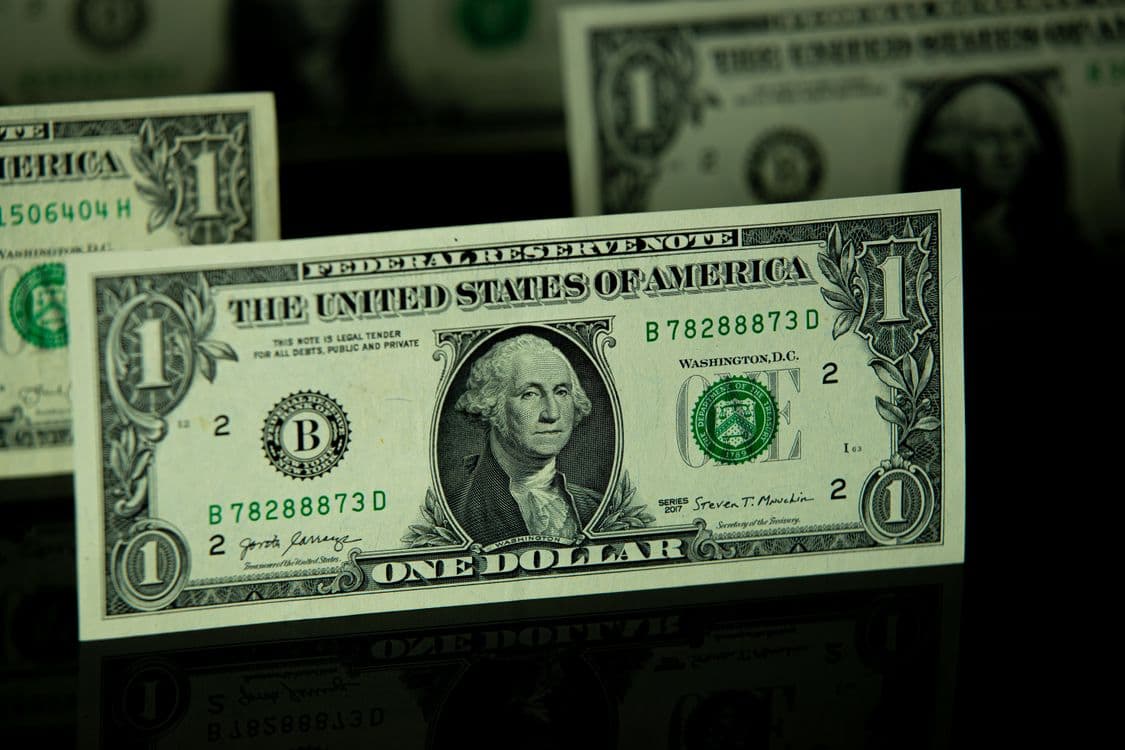
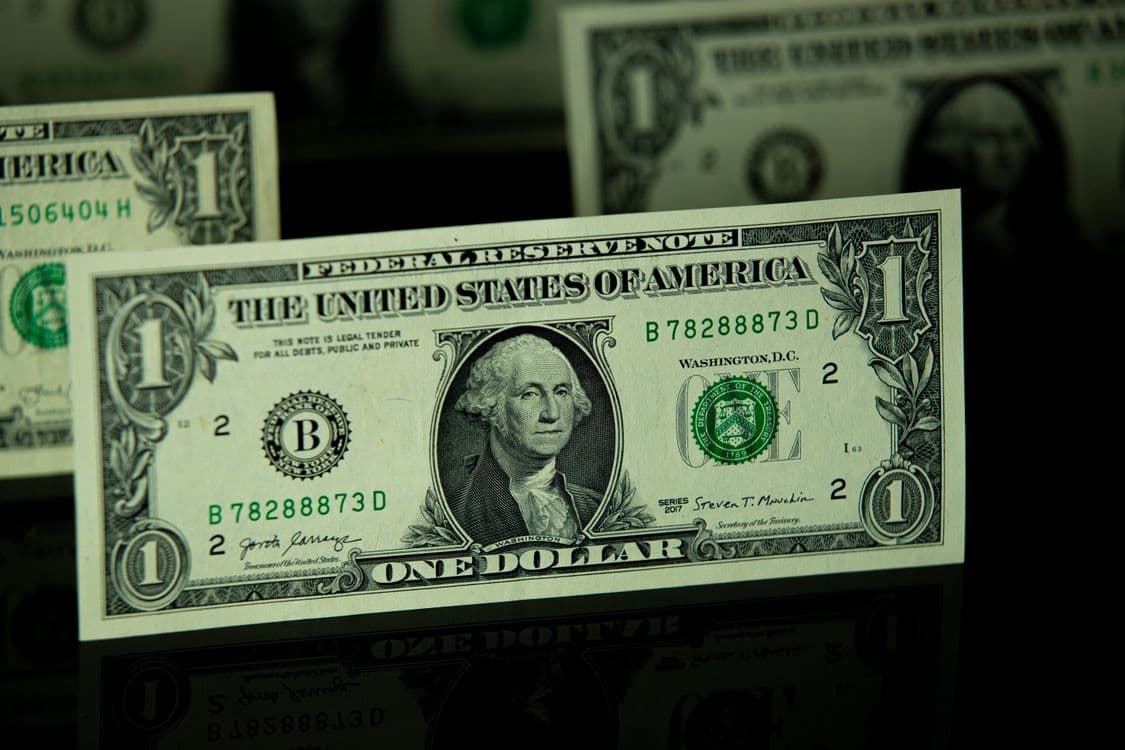
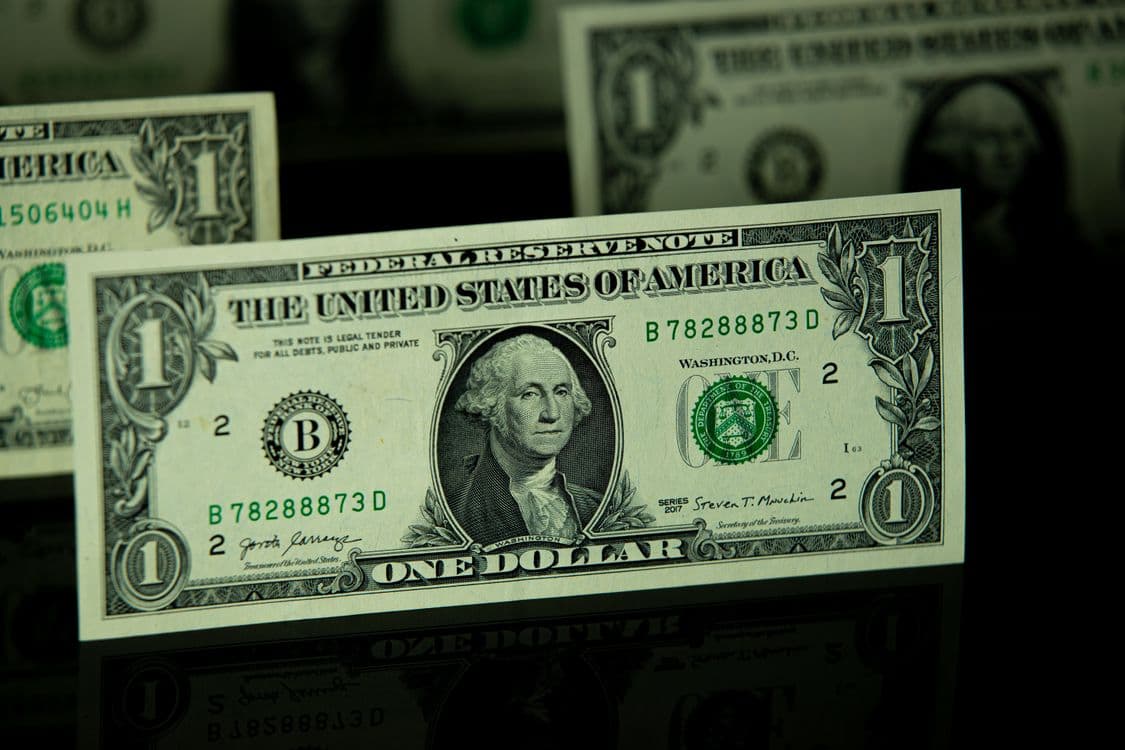
The federal funds rate is the interest rate at which American banks lend to each other overnight. It sounds technical, but it anchors the cost of almost every other loan in the United States, from credit cards to thirty year mortgages, and it sets the tone for borrowing costs worldwide.
The decision to hold drew three dissents. The presidents of the Dallas, Cleveland and Minneapolis regional Federal Reserve banks all voted for an immediate rise of 25 basis points, which is jargon for a quarter of one percentage point. What is more striking than the dissent is the absence of its opposite: according to the minutes, not one participant made the case for lowering rates.
That is a substantial shift. The year opened with markets broadly expecting that cooling inflation would let the Fed ease policy through 2026. Interest rate futures now imply roughly a 65 percent probability that the committee holds again in September, up from something close to a coin flip a few weeks ago. Two more inflation readings and another employment report arrive before that meeting.
Why it matters
The Federal Reserve is not simply the American central bank. Because so much of global trade, debt and corporate funding is priced in dollars, the rate it sets becomes the gravitational pull for the price of money everywhere. When the Fed signals that rates will stay high, borrowing costs rise for a Brazilian exporter and a British homeowner alike.
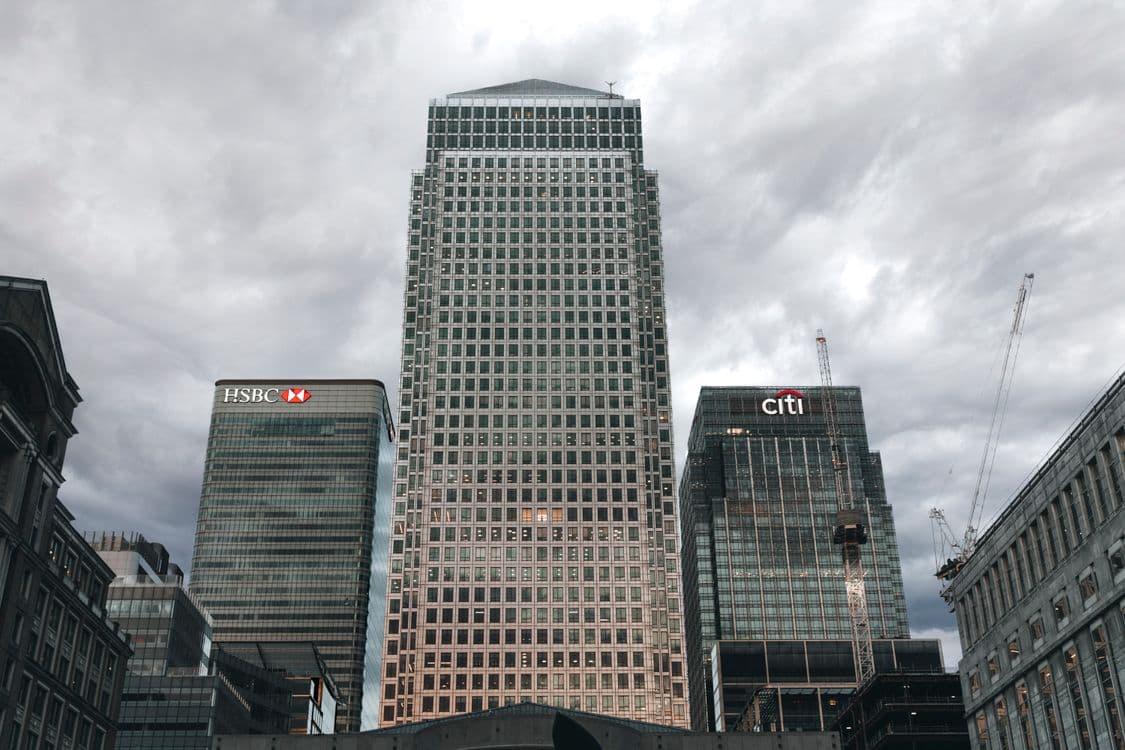
For the United Kingdom the transmission runs mainly through bond markets. When investors conclude that American rates will remain elevated, they demand more yield to hold other government debt too, which pushes up gilt yields, the return the UK government must promise on the money it borrows. Gilt yields, in turn, feed the swap rates that lenders use to price fixed rate mortgages.
There is also a currency channel. Higher expected US rates tend to attract money into dollar assets and strengthen the dollar against the pound. A weaker pound raises the sterling cost of everything Britain imports and prices in dollars, which includes oil, gas, wheat and a great deal of manufactured goods.
Finally, there is the valuation channel. Share prices are, in essence, a judgement about future profits discounted back to today. Raise the rate used to discount them and the same future profits are worth less now. That is why equity markets react so sharply to a change in the tone of a set of minutes.
Explained simply
Picture the Fed as a driver who spent the whole year with a foot hovering over the accelerator, then looked up and saw the road tilting downhill. The question is no longer when to speed up, but whether the brake is needed.
Central banks have essentially one lever. Raising rates makes borrowing dearer and saving more rewarding, which cools spending, and cooler spending eventually cools prices. Cutting rates does the reverse. The lever works slowly, with most of the effect arriving twelve to eighteen months later, so policymakers are always steering by a windscreen that shows the road as it was last year.
Through 2025 and early 2026 the direction of travel seemed settled. Inflation was falling, so the accelerator would be pressed gently, meaning cuts. What the July minutes reveal is that enough officials now doubt the fall will continue. Their worry is that if prices stop falling while rates are already coming down, the whole effort of the past few years unwinds.
So the committee is doing what a cautious driver does on an uncertain road. It is holding a steady speed and watching. Each new inflation and jobs figure is another glance through the windscreen, and only a run of clear readings will settle the argument in either direction.
The three dissenting votes matter because dissent at the Fed is unusual and deliberate. A regional president who breaks ranks is sending a public signal about where the internal debate is heading, and markets read those signals closely.
What it means for you
If you are approaching the end of a fixed rate mortgage, the practical message is that the era of assuming cheaper deals are just around the corner is over for now. Most UK lenders let you lock a new rate up to six months ahead at no cost and switch if better pricing appears, so securing an offer early is close to a free option.
For savers, the flip side is welcome. Prolonged higher global rates support the yields on easy access accounts, fixed rate bonds and cash ISAs. If your easy access account pays less than around 3.5 percent, it is almost certainly lagging the market, and moving it takes an afternoon.
If you hold a global equity tracker, and most workplace pensions do, roughly two thirds of it will be American shares. Repricing of Fed expectations therefore shows up directly in your pension valuation. The sensible response is almost always to do nothing, because these swings are noise inside a thirty year investment horizon.
Anyone planning to spend dollars, whether on a US holiday, a transatlantic flight or goods priced in dollars, should watch the exchange rate rather than the headlines. A firmer dollar makes all of it more expensive in sterling terms.
The bigger picture
The wider story of 2026 is that the last stretch of the journey back to 2 percent inflation has proved far harder than the first. Bringing inflation down from 10 percent was largely a matter of energy prices falling back. Squeezing it from around 3 percent to 2 percent means slowing services prices and wage growth, which is slower, more painful work.
History offers a warning that Fed officials know well. In the 1970s the American central bank eased policy at the first sign of relief, only to face a second and worse inflationary wave that eventually required punishing rates to break. No modern policymaker wants to author a repeat, which is why the balance of risk currently favours patience over cuts.
The next markers are the August and September inflation and payroll releases, followed by the September FOMC meeting. Watch whether the number of officials favouring a hike grows or shrinks, because that count, more than the headline decision, is where the direction of policy is being decided.