What happened
Nvidia reported revenue of 96.2 billion dollars for its second quarter of fiscal 2027 after the closing bell on 26 August, up 106 percent on the same period a year earlier. Earnings came in at 2.22 dollars per share, more than double the figure the chipmaker reported twelve months ago.
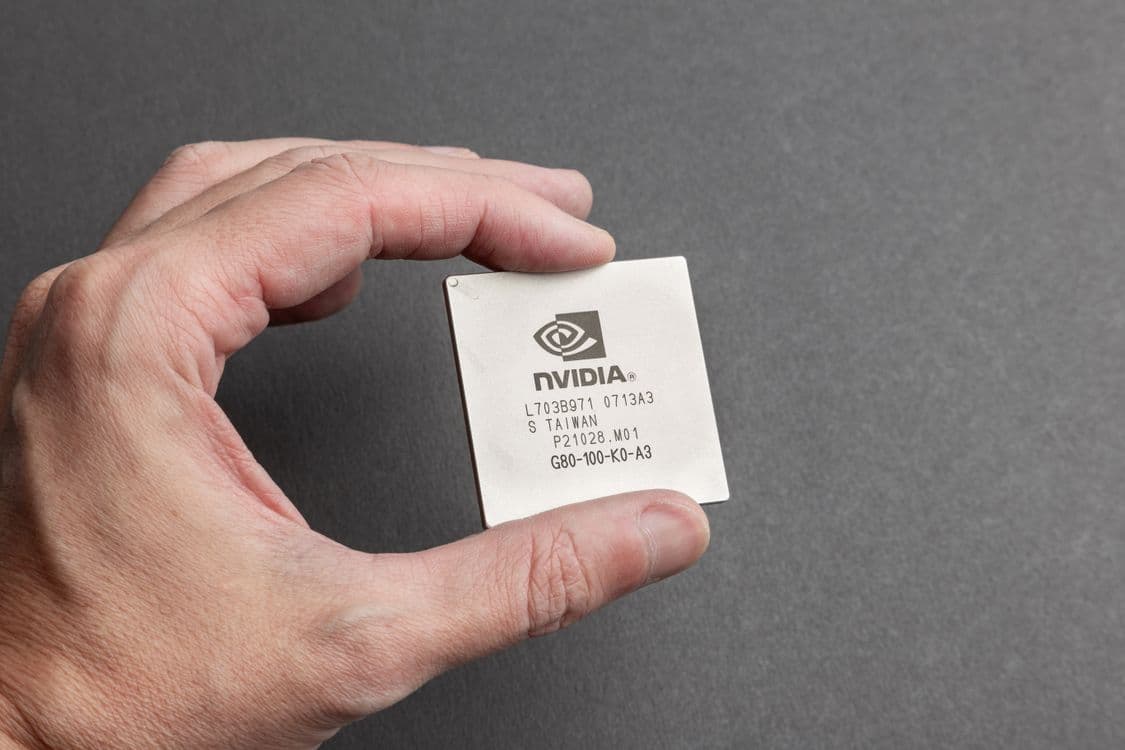
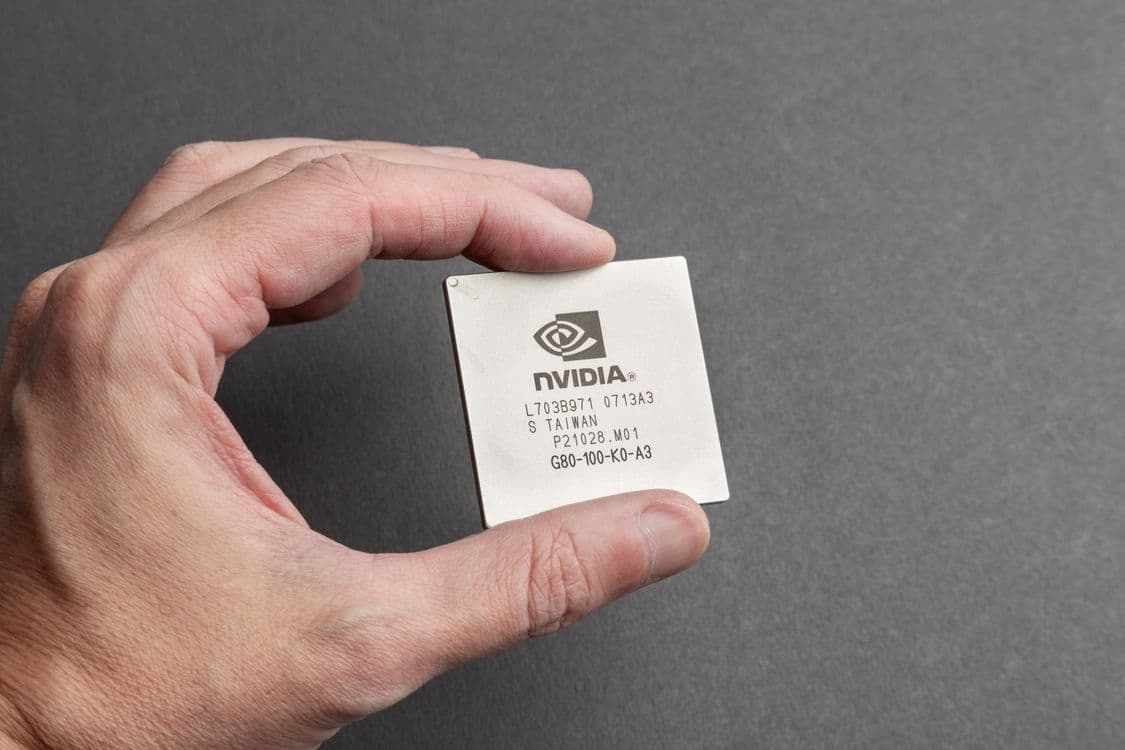
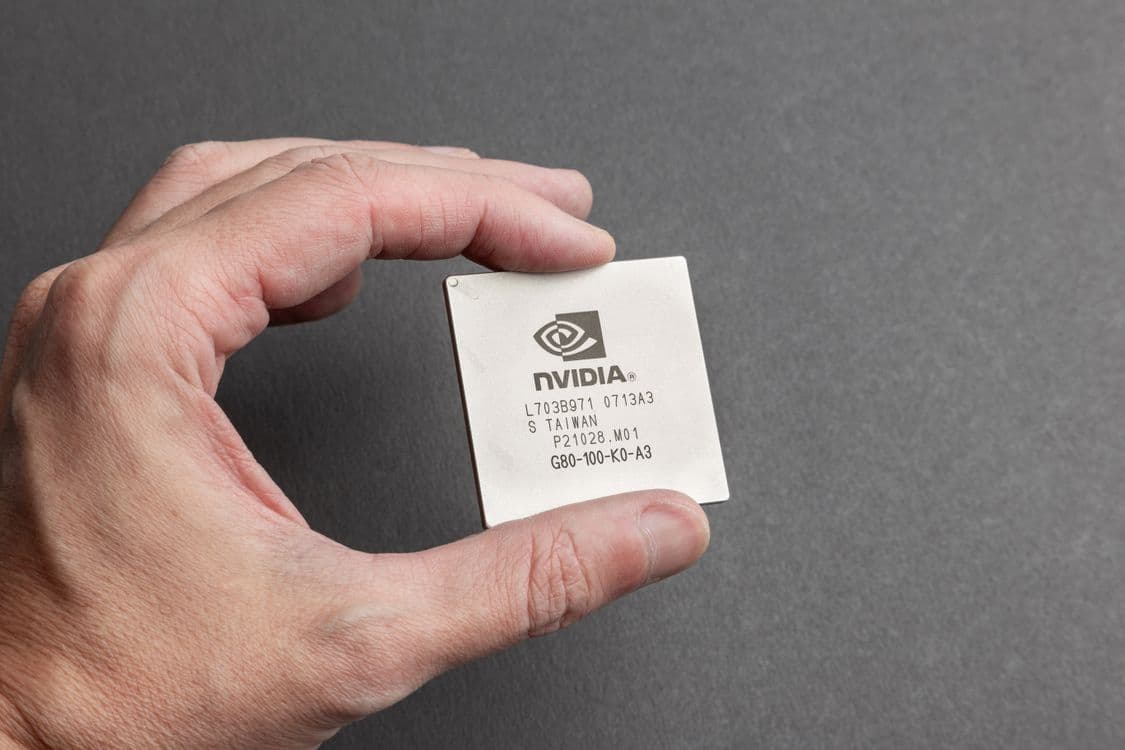
The engine of that growth was the data centre division, which sells the specialised computing systems that train and run artificial intelligence models. Data centre revenue reached a record 89.0 billion dollars, up 117 percent year on year and up 18 percent on the previous quarter alone. Nvidia attributed the jump to the ramp up of Blackwell Ultra, its newest generation of AI infrastructure.
A data centre is simply a warehouse full of computers that other companies rent by the hour. When Microsoft, Amazon or a startup wants to build an AI system, they do not buy their own machines. They rent time on somebody else, and that somebody almost always fills the building with Nvidia hardware.
Nvidia shares rose in after hours trading on the results, even as the broader US market closed slightly lower on the day. The company now accounts for a larger share of the S&P 500 index than any business in the history of that index.
Why it matters
Nvidia has become the closest thing global markets have to a single barometer for the artificial intelligence boom. Because roughly nine tenths of its revenue now comes from AI computing, its quarterly numbers function as a direct readout on whether the biggest technology companies are still spending heavily on AI, or whether that spending has started to cool.
The answer this quarter was emphatic. Spending is not cooling. An 18 percent increase from one quarter to the next, on a base of 75 billion dollars, means Nvidia added roughly 14 billion dollars of quarterly sales in three months. That money comes overwhelmingly from a handful of enormous customers, which is both the strength and the fragility of the story.
For the wider economy, that capital spending is real. It funds construction workers building data centres, electricians wiring them, and power companies supplying them. In the United States, AI related construction has become one of the few reliably growing pockets of business investment at a time when higher interest rates have slowed almost everything else.
It also matters because of concentration. When one company grows this fast, index funds mechanically buy more of it. A saver who thinks they own a diversified global portfolio may in practice have a meaningful slice of their retirement riding on whether AI spending continues.
Explained simply
Think of the AI boom as a gold rush and Nvidia as the only shop in town selling shovels. It does not matter which prospector strikes gold, because everybody has to buy a shovel first.
Every artificial intelligence system, from a chatbot to a fraud detection model, has to do an enormous amount of arithmetic very quickly. Ordinary computer chips do this one calculation at a time, quite fast. Nvidia chips do thousands of calculations simultaneously, more slowly each, but with a vastly higher total. For the kind of maths AI needs, that trade is overwhelmingly worth it.
Over twenty years Nvidia also built the software that lets programmers actually use those chips. Rivals can now match the raw hardware, but they cannot easily match two decades of software that every AI researcher already knows how to use. That is why customers keep coming back even when cheaper alternatives exist.
The result is a company that captures value from the entire industry rather than betting on any one part of it. If a well funded AI startup fails, its rival succeeds and buys the same chips. Nvidia is paid either way, which is why its revenue has grown while many of its customers are still losing money.
The obvious question is how long that lasts. Shovel sellers do very well early in a gold rush and considerably worse once prospectors work out how much gold is actually there.
What it means for you
If you hold a mainstream global equity fund, you already own Nvidia. In a typical FTSE All World or MSCI World tracker, the company now represents somewhere in the region of 6 to 8 percent of the entire fund, making it the largest single position by a wide margin. Check the top ten holdings page of your fund factsheet and you will almost certainly see it first.
That concentration cuts both ways. It has flattered returns considerably over the past three years, and it means a sharp reversal in AI sentiment would hit a supposedly diversified portfolio harder than most savers expect. If you want less exposure, an equal weighted global index fund or a deliberate tilt toward value stocks are the usual routes.
UK investors should also note the currency angle. Nvidia earns in dollars, so a strengthening pound reduces the sterling value of those gains regardless of what the share price does. Unhedged global funds carry that risk quietly.
For anyone tempted to buy the shares directly after a result like this, the arithmetic is worth pausing on. At current levels the market is pricing in continued rapid growth for years. A merely good quarter, rather than a spectacular one, would be enough to trigger a sharp fall.
The bigger picture
Nvidia has now delivered more than a dozen consecutive quarters of extraordinary growth since the launch of ChatGPT in late 2022 turned AI computing into a global procurement race. Very few companies in market history have sustained triple digit revenue growth at this scale, and none have done so indefinitely.
The number to watch is not revenue but the capital spending guidance of Nvidia biggest customers, the large cloud providers. Their budgets set the ceiling on what Nvidia can sell. Any signal that those budgets are flattening would matter far more than a single quarterly figure.
The second thing to watch is power. Data centres of this scale need electricity on a utility grid scale, and in several regions the binding constraint on AI expansion is no longer chips but the availability of grid connections.