What happened
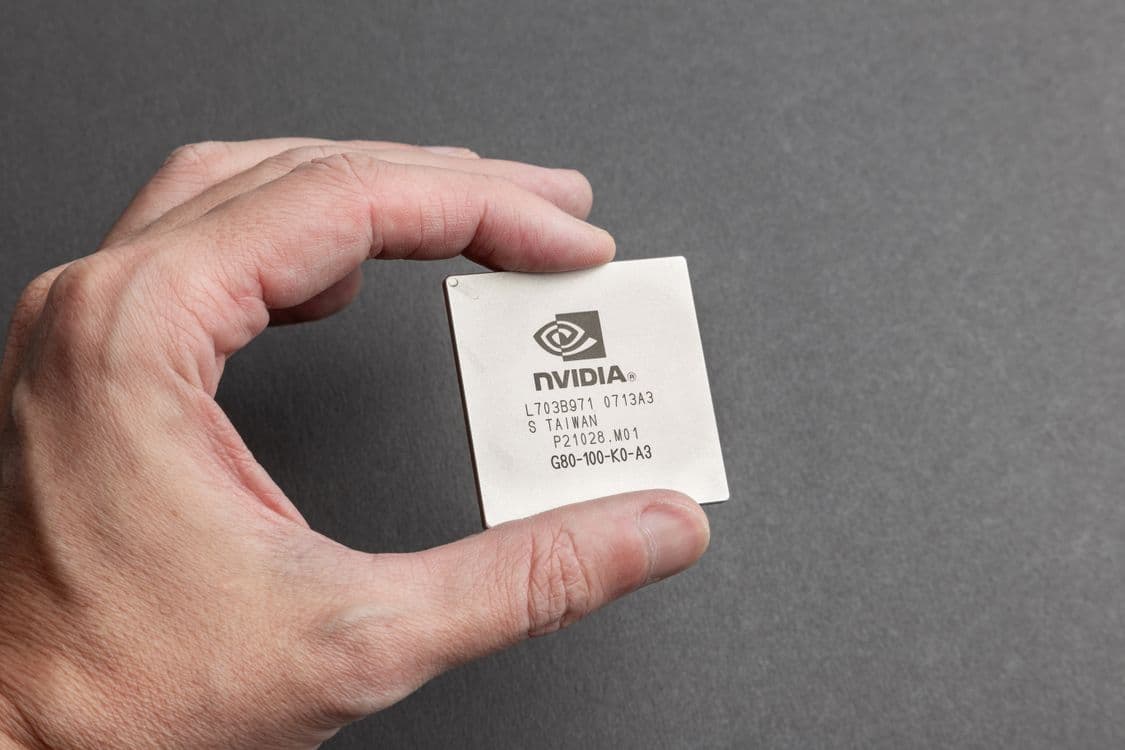
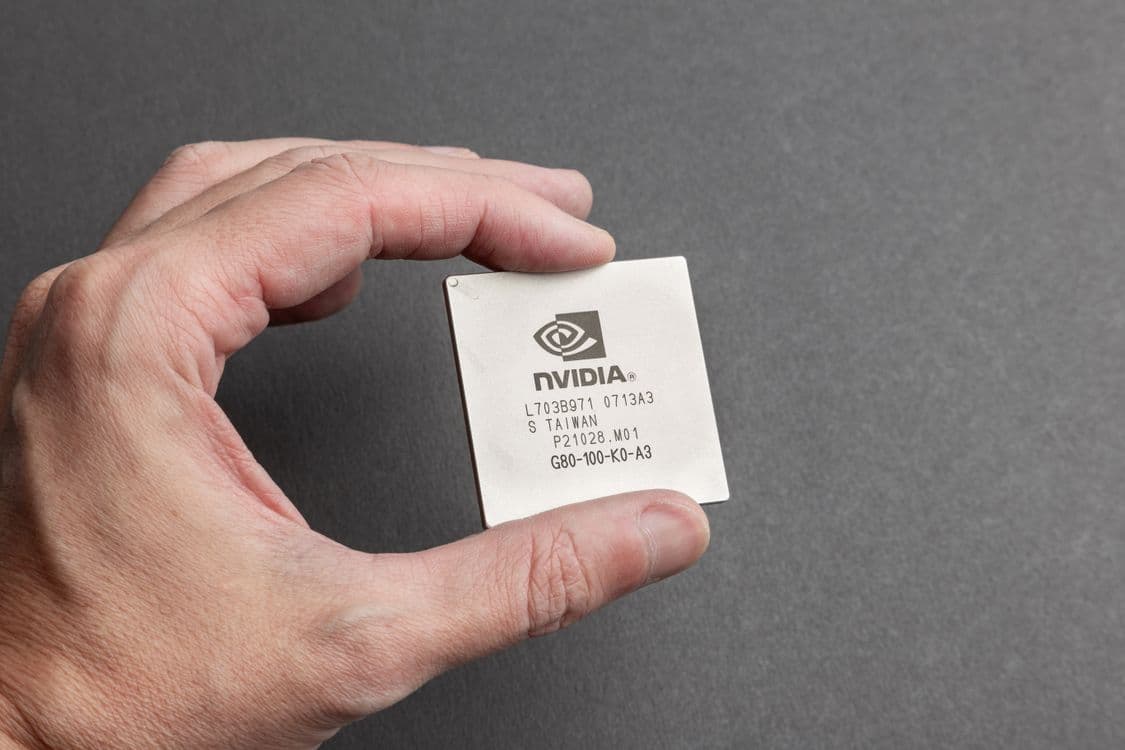
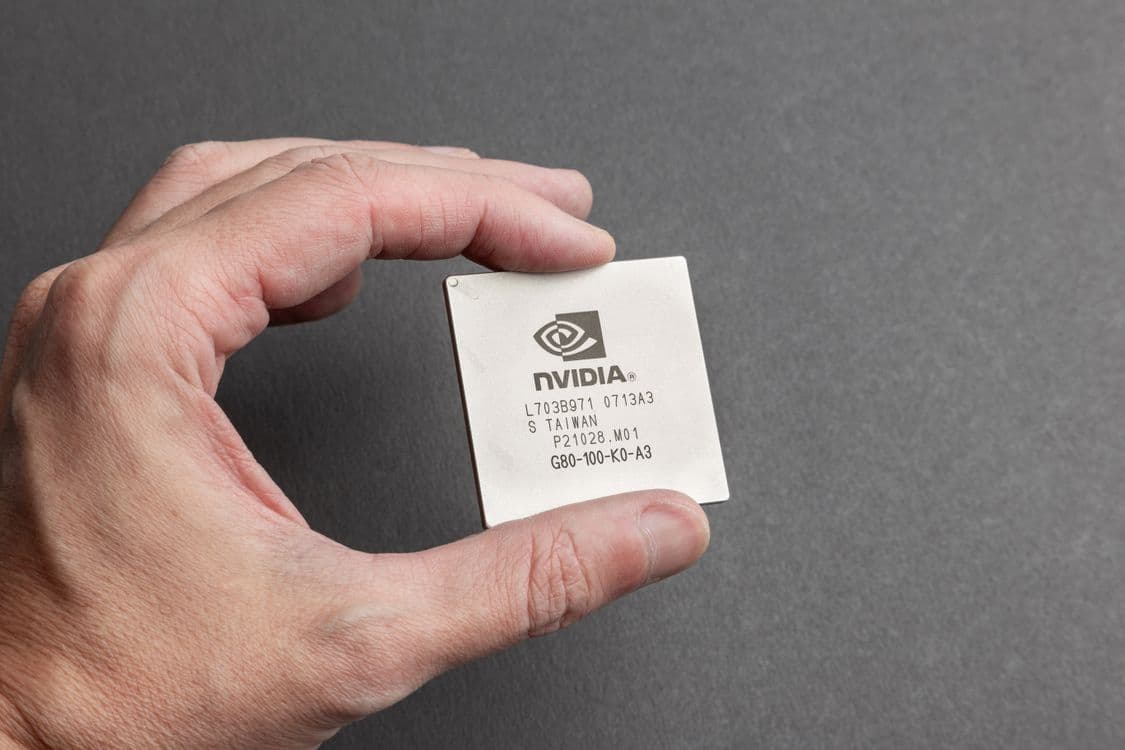
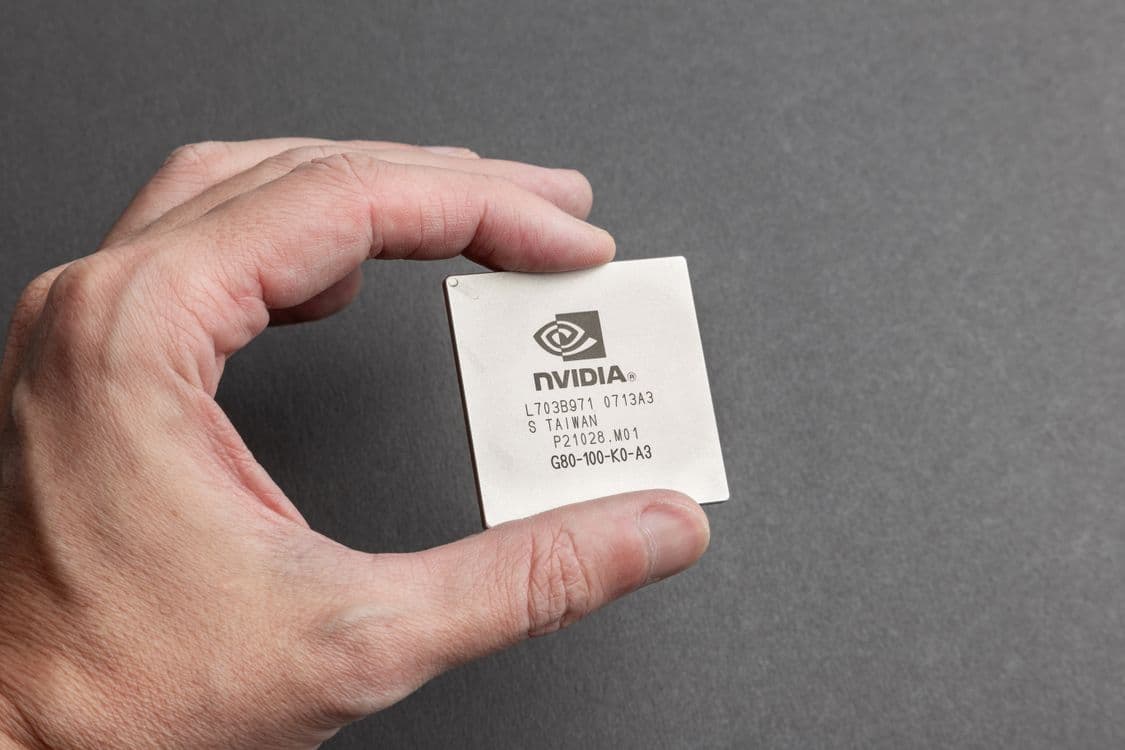
Nvidia shares fell more than 3 percent, giving back a large part of the previous session gains. The move came without any company-specific bad news, which is itself informative: it reflects positioning and profit-taking rather than a change in the business.
Marvell, which designs semiconductors for data centres and networking equipment, posted second-quarter revenue of 2.74 billion dollars, narrowly ahead of the 2.72 billion dollars analysts had forecast. Beating by roughly 20 million dollars on a 2.7 billion dollar base is a beat of well under 1 percent, which in the current market is closer to meeting expectations than exceeding them.
Salesforce was the standout. The customer relationship management software group beat estimates on both revenue and earnings, and booked a 2.6 billion dollar gain on strategic investments including its stake in AI company Anthropic. Shares gained a further 3 percent, adding to an advance of more than 22 percent the previous day.
The broader market was calm by comparison. The S&P 500 rose 0.1 percent shortly after the open and the Dow Jones Industrial Average climbed 92 points, or 0.2 percent, with attention turning to the Jackson Hole symposium.
Why it matters
The divergence is the story. For two years technology stocks moved largely together, driven by a single AI narrative. Nvidia falling while Salesforce surges signals that investors have started discriminating between companies selling AI infrastructure and companies demonstrating AI revenue.
Index concentration makes this everyone problem. The largest technology companies account for an outsized share of the S&P 500 by market value, so a 3 percent fall in one of them moves the whole index and therefore moves most pension portfolios.
The Salesforce investment gain deserves scrutiny. A 2.6 billion dollar gain on stakes in private AI companies is a paper valuation, not cash from selling software. It flatters reported earnings without reflecting the underlying operating business, and it can reverse if private valuations fall.
Marvell result matters for the supply chain. Its chips sit alongside Nvidia processors in data centres, so its revenue is a read on whether the AI buildout is still accelerating or merely continuing at pace. Narrowly beating a forecast points to the latter.
Explained simply
During a gold rush the first fortunes go to the people selling shovels. Nvidia sold the shovels. The market is now asking which prospectors have actually found gold, and Salesforce is holding up a nugget.
Nvidia makes the processors that train and run AI models. Every company wanting to build AI has had to buy them, which is why its revenue and share price rose so far so fast. That is the shovel business, and it pays first.
Marvell sells the surrounding equipment — the networking and data movement chips that connect those processors. Also shovels, slightly further down the aisle.
Salesforce is a prospector. It sells software to businesses and has been adding AI features to it. When Salesforce beats expectations, it suggests customers are paying more for AI-enhanced products, which is evidence that the technology generates revenue rather than just consuming investment.
The market is shifting from rewarding anyone touching AI to rewarding companies that can show the money. Beating forecasts by less than 1 percent, as Marvell did, no longer clears the bar it once did — expectations have caught up with the story.
What it means for you
If you hold a global tracker such as a FTSE All-World fund, roughly a fifth of your money sits in a small group of US technology companies. That is a concentration decision you made by default. Checking the top ten holdings of your fund takes two minutes and is worth doing.
If you are contributing monthly to a workplace pension, this volatility works quietly in your favour. Fixed monthly contributions buy more units when prices fall, which is why the standard advice for anyone more than a decade from retirement is to keep contributing and ignore daily moves.
If you are within five years of drawing your pension, concentration risk matters much more. Most default pension funds shift toward bonds automatically as you approach your target retirement date, but that shift is only as good as the date recorded on your account. If yours is wrong, the glide path is wrong.
If you are tempted to buy an individual name after a fall, size the position as money you can afford to lose entirely. A 3 percent daily move in a single stock is normal, and single-stock exposure carries risk that a diversified fund does not.
The bigger picture
Every technology cycle follows a similar arc: an infrastructure phase where the picks and shovels sell, then an application phase where the winners are the businesses that use the technology profitably. The railway boom, the personal computer, and the internet all ran this pattern, and in each case the infrastructure suppliers peaked before the eventual application winners emerged.
The current market appears to be at the transition. Infrastructure names now need genuine surprises to rise, while software companies showing AI-driven revenue are being rewarded generously.
Watch the next round of large-cap technology earnings, and watch whether AI-related revenue is disclosed as a separate line rather than folded into general growth. Companies confident in the numbers tend to break them out.