What happened
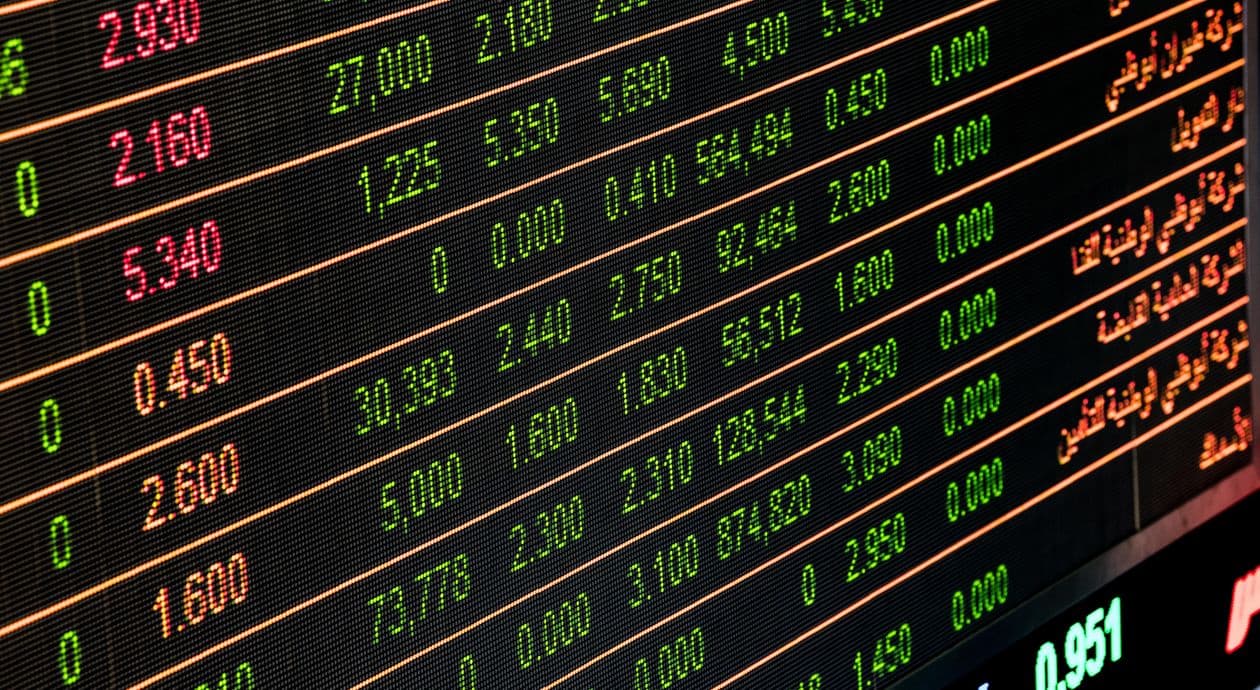
The S&P 500 rose 0.46 percent to close at 7,666.60 on Wednesday, snapping a two day losing streak. The Nasdaq Composite gained 0.45 percent to 26,217.83 and the Dow Jones Industrial Average added 295.07 points, or 0.56 percent, to finish at 53,061.95.
The S&P 500 is an index tracking the five hundred largest listed companies in the United States, weighted by size, and it is the single most widely used benchmark for global shares. The Nasdaq Composite is more heavily weighted toward technology, while the Dow tracks just thirty large companies and is weighted by share price rather than company size, which makes it the least representative of the three.
The immediate driver was relief in the bond market. Long dated government bond yields eased slightly after two sessions of sharp rises that had rattled equity investors worldwide, including the move that pushed UK thirty year borrowing costs to their highest since 1998. The dollar also weakened, which typically supports the earnings of large American companies that sell heavily overseas.
Underneath the index move, the market remains split. Companies tied to artificial intelligence infrastructure and cloud computing continue to beat expectations and get rewarded. Companies that miss on forward guidance are being punished hard, even when the quarter just reported was a beat. That is a market rewarding future growth and showing very little patience with anything else.
Why it matters
The link between bond yields and share prices is the story running underneath almost every market move at the moment. When government bonds pay more, investors have a genuinely attractive risk free alternative to shares. Money shifts, and the price investors are willing to pay for a pound of company earnings falls. When yields ease, that pressure lifts. Wednesday was a small example of exactly that mechanism.
For British savers, the American market is not a foreign story. A typical global index fund holds roughly seventy percent United States exposure, because that is the American share of world stock market value. Most UK workplace pension default funds sit largely in exactly that kind of global tracker. When the S&P 500 moves, so does the number on your pension statement.
The narrowness of the gains matters too. When index returns are driven by a small group of very large technology companies, a global tracker becomes less diversified than its name suggests. Investors who believe they are spread across thousands of companies may in practice have a large concentrated bet on a handful of them.
Finally, share prices feed back into the real economy. Higher markets make households with investments feel wealthier and more willing to spend, and they make it cheaper for companies to raise money by issuing shares. Falling markets do the reverse, which is one reason central banks watch equities even though they do not target them.
Explained simply
Shares and bonds are two rides at the same fairground, and interest rates are the price of a ticket. When the safe ride gets cheaper to enjoy, the queue for the thrilling one gets shorter.
A share entitles you to a slice of a company future profits. Nobody knows what those profits will be, so investors estimate them and then decide what those uncertain future pounds are worth in todays money. That conversion depends heavily on the interest rate available on safe assets.
If a government bond pays you 5 percent for taking essentially no risk, then a company promising uncertain profits years from now has to offer a great deal more than 5 percent to be worth the worry. To make that work, its share price has to be lower. If the safe bond only pays 2 percent, the same uncertain future profits suddenly look far more appealing, and investors will pay much more for them.
This is why a modest move in bond yields can swing share prices so sharply, and why it hits fast growing technology companies hardest. Their value is concentrated in profits expected far into the future, and the further away a profit is, the more its present value shrinks when the discount rate rises. A steady dividend paying utility barely notices. A company priced for a decade of growth notices a great deal.
What it means for you
If you hold a global tracker. Wednesday was a good day, but the wider pattern is a market that has become more volatile and more dependent on bond yields staying calm. If you invest monthly through a stocks and shares ISA, this environment is not a problem. Regular contributions buy more units when prices dip, which works in your favour over a decade.
If you are worried about concentration. Check what your fund actually holds. A FTSE All World or MSCI World tracker will show its top ten holdings, and that group may account for a quarter or more of the fund. If that feels uncomfortable, an equal weighted index fund or a small allocation to a FTSE 100 tracker adds genuine diversification, since the UK index is weighted toward banks, energy and consumer staples rather than technology.
If you are close to retirement. Volatility matters far more when you are about to start drawing money out, because selling units after a fall locks in the loss permanently. Most workplace pensions automatically shift toward bonds in the final years. It is worth confirming yours has done so, and understanding that bonds have had their own difficult run this year.
If you are tempted to time this. Two down days followed by an up day is noise, not a signal. The cost of sitting out even a handful of the strongest days in a decade is substantial, and those days cluster around exactly the periods that feel most alarming.
The bigger picture
The S&P 500 near 7,666 reflects several years of exceptional returns driven largely by artificial intelligence spending and by a small number of very large companies. That has been a genuine earnings story rather than pure speculation, but it has left the index expensive relative to its own history and unusually concentrated.
The tension now is straightforward. Bond yields at these levels argue for lower share valuations. Corporate earnings, particularly in cloud and AI infrastructure, keep coming in strong enough to argue the other way. Wednesday, earnings won by a small margin. On Monday and Tuesday, bonds had won.
Watch long dated government bond yields as the primary signal in the weeks ahead, and watch whether market gains broaden out beyond the largest technology names. A rally that spreads into industrials, financials and smaller companies is a much healthier one than a rally carried by five stocks.