What happened
Economists expect September 2026 to mark the high point of the current UK inflation cycle, with headline consumer price inflation topping out at about 3.6 percent. That is well above the Bank of England target of 2 percent and a marked deterioration from the 2.6 percent recorded earlier in the year. Headline inflation measures the change in the overall cost of a representative basket of goods and services over twelve months.
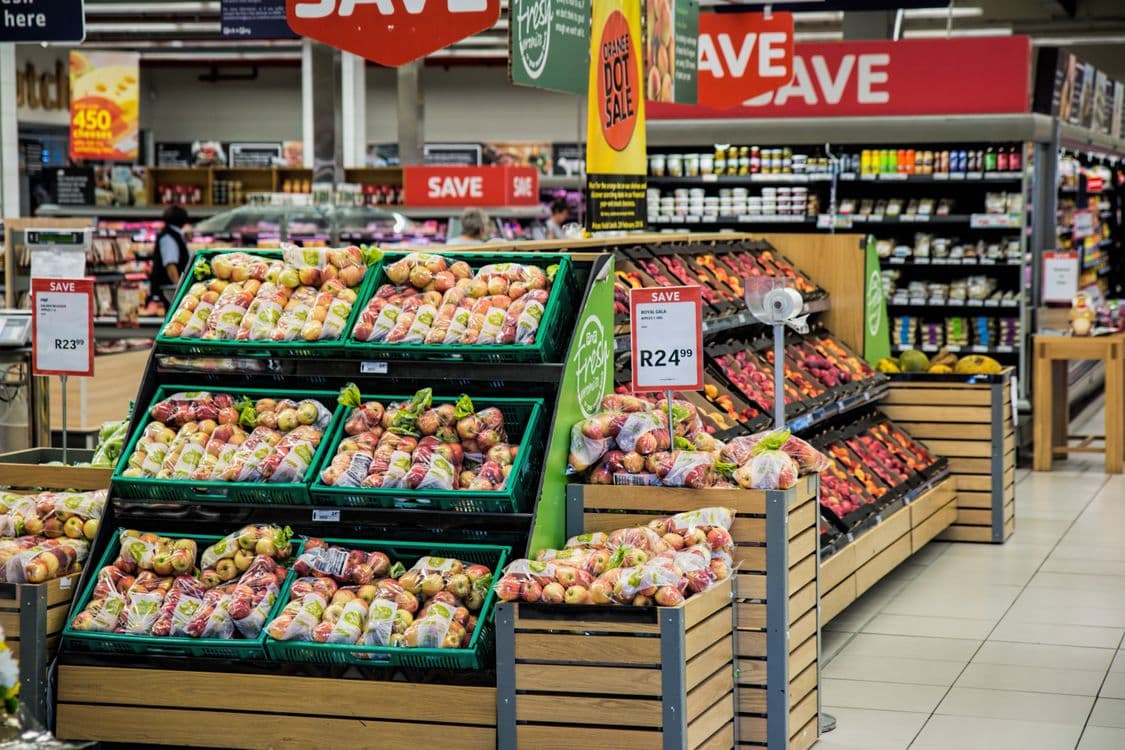
Food is doing much of the damage. Consumer food price inflation is forecast to reach 4.6 percent by this month, driven by higher energy costs for both imported and domestically produced food. Growing, processing, refrigerating and transporting food are all energy intensive, so a wholesale energy shock lands on the supermarket shelf with a lag of several months.
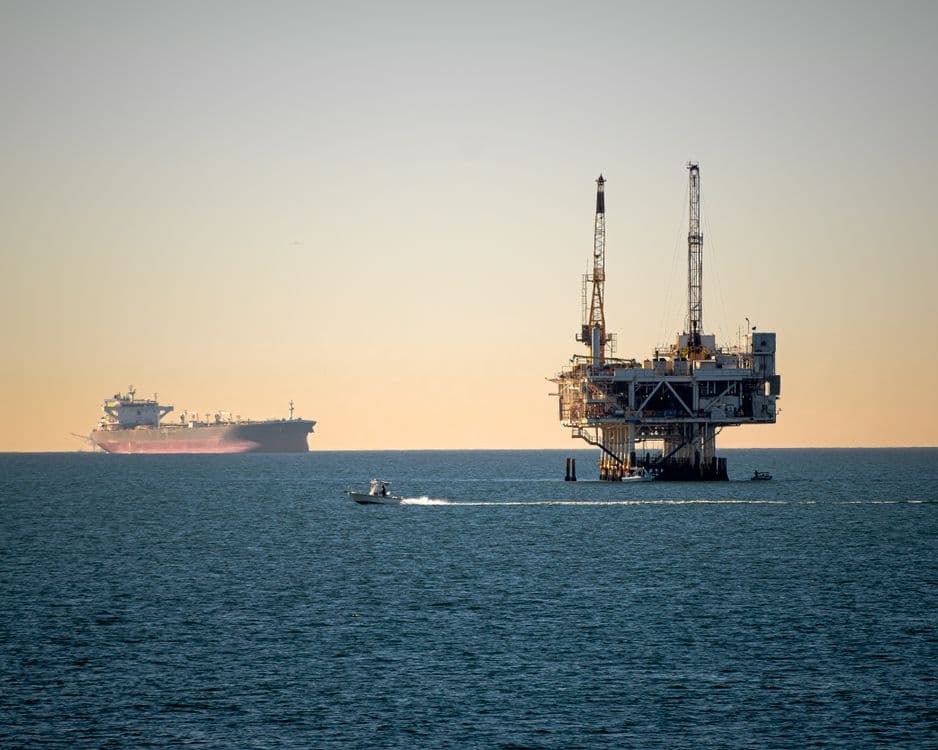
The root cause sits outside Britain. Wholesale energy prices have surged on the conflict affecting Middle East supply, pushing Brent crude around 30 dollars a barrel higher than a year ago. The International Monetary Fund has upgraded the UK near term inflation outlook by more than any other G7 economy, by a cumulative 1.5 percentage points in the two years to the end of 2027.
The economy is slowing while this happens. UK GDP is forecast to grow just 0.7 percent in 2026, down from 1.3 percent in 2025, which leaves the Bank of England holding Bank Rate at 3.75 percent and facing pressure from three of its nine policymakers to raise it.
Why it matters
Inflation of 3.6 percent means that money loses value at nearly twice the rate the Bank of England considers acceptable. Anyone whose pay rise this year came in below that figure has taken a real terms pay cut, whatever the number on the payslip says.
Food inflation hits hardest at the bottom of the income distribution. Households on lower incomes spend a much larger share of their budget on food and energy, so a 4.6 percent rise in grocery prices is far more painful for them than the headline figure suggests. Averages conceal a widening gap.
For the Bank of England the combination is close to the worst available. Inflation is rising for reasons monetary policy cannot address, since raising interest rates does not lower the price of oil, while growth of 0.7 percent means the economy cannot easily absorb tighter policy. That is the shape of a stagflationary squeeze, meaning weak growth alongside persistent price rises.
The consequences reach into government finances too. Higher inflation raises the cost of index linked debt and of pensions and benefits uprated in line with prices, at a time when gilt yields have already touched a 19 year high.
Explained simply
Energy costs move through the economy like water through a house. You see the leak in the ceiling months after the pipe burst upstairs, and the plumber fixing it today does nothing about the damage still working its way down.
When the wholesale gas or oil price jumps, almost nothing changes in the shops that week. What changes is the cost base of every business that uses energy, which is effectively all of them. Those businesses hold their prices for a while, absorbing the hit, then raise them when contracts renew or margins get too thin.
Food shows this most clearly because the chain is so long. Fertiliser is made from natural gas. Tractors run on diesel. Greenhouses are heated. Produce is refrigerated, then shipped, then stored in a chilled warehouse, then displayed in a lit and heated supermarket. Every link adds an energy cost, and each link passes it on with its own delay.
This is why inflation is expected to peak in September specifically. Forecasters can trace the wholesale price surge from earlier in the year and estimate when it finishes flowing through. The peak is not a prediction that energy prices will fall, only that the pass through will be complete.
It also explains why the Bank of England has been reluctant to act. A rate rise takes roughly a year to eighteen months to affect prices. Tightening policy now, aiming at an inflation peak already in progress, risks depressing an already weak economy just as the price pressure fades on its own.
What it means for you
On groceries, 4.6 percent food inflation means a shop that cost 100 pounds a year ago now costs about 104.60 pounds. Over a year, a household spending 120 pounds a week faces roughly 290 pounds in additional cost. Own brand switching typically saves 20 to 30 percent on comparable items and is the single most effective response available.
On savings, the real test of any account is whether it beats 3.6 percent. Easy access accounts and Cash ISAs paying around 4 percent are only just ahead, while anything paying 2 percent is losing you purchasing power every month it sits there. Check what your current account pays, because most pay nothing at all.
On pay, if you are negotiating a rise, 3.6 percent is now the floor for standing still rather than a good outcome. Any offer below it is a cut in real terms.
On borrowing, inflation at this level and markets pricing a Bank of England rate rise by December mean fixed rate mortgage pricing is more likely to rise than fall in the near term. If your deal expires within six months, reserve a rate now, since UK lenders allow this at no cost and you can abandon it if better pricing appears.
The bigger picture
Britain has now had an unusually long stretch of inflation above target, and each new energy shock resets the clock. The concern among policymakers is not this peak but whether repeated overshoots change what households and businesses expect, because expectations tend to become self fulfilling through wage and price setting.
If the September peak arrives as forecast, the path through 2027 should be downward, assuming energy prices stabilise. That is a substantial assumption, and it rests on geopolitics rather than economics.
The dates to watch are the monthly consumer price index releases from the Office for National Statistics and the November Monetary Policy Report, which will contain the updated Bank of England forecasts and show whether the internal split over raising rates has widened.