What happened
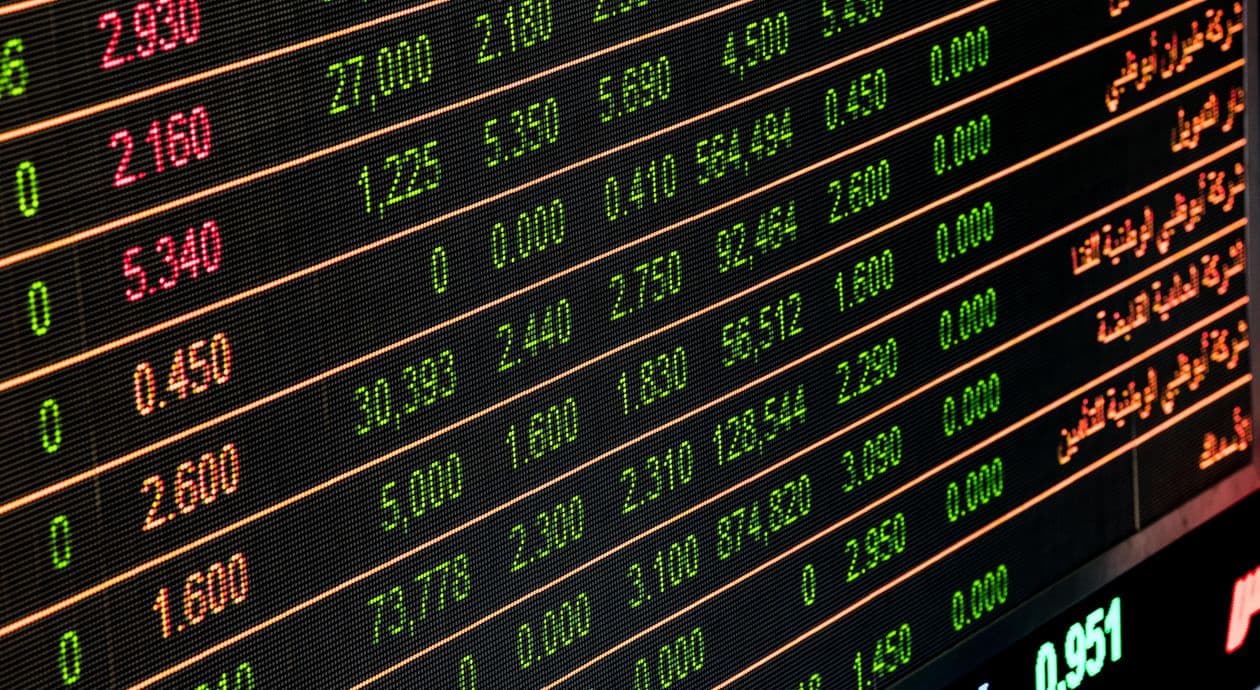
US stock futures surged on Monday as the United States and Iran stepped back from a near two week exchange of strikes, triggering a broad relief rally across world markets. Futures on the Dow Jones Industrial Average climbed 1 percent, the S&P 500 added 0.9 percent and the technology heavy Nasdaq 100 jumped roughly 1.4 percent.
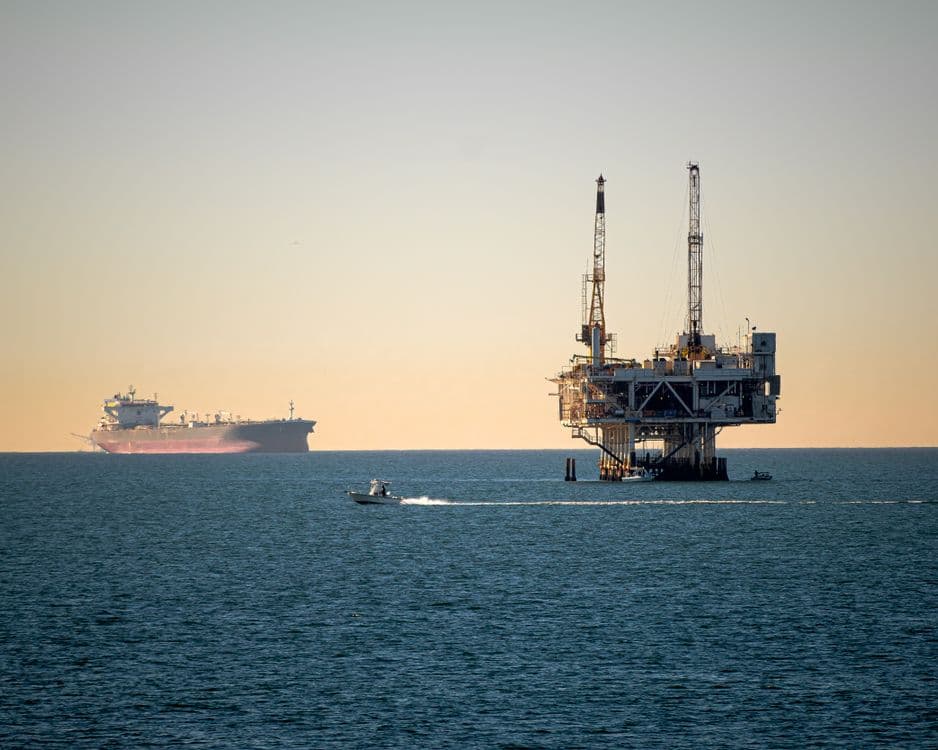
The move followed news that Washington had paused its campaign of strikes against Iran, calming fears that the conflict could spread across the Middle East and choke off oil supplies. Brent crude, the global oil benchmark, tumbled as much as 7.4 percent to below 90 dollars a barrel.
Safe haven assets also rose. Gold gained ground and government bonds strengthened, an unusual combination that shows investors buying both risky shares and protective assets at the same time as they repositioned for a calmer week ahead.
The rally set an upbeat tone for what analysts have called the busiest week of the quarter, with a Federal Reserve interest rate decision on Wednesday and earnings from several of the largest technology companies due in the coming days.
Why it matters
When two nations trade military strikes near the Gulf, markets worry about oil. Roughly a fifth of the world oil supply passes through the region, so any threat to those shipping routes pushes up the price of crude and, with it, the cost of petrol, transport and manufacturing everywhere.
A pause in the fighting removes some of that risk premium, the extra amount traders add to prices as insurance against disruption. As that fear fades, oil falls and shares in airlines, retailers and manufacturers that depend on cheap energy tend to recover.
For ordinary savers the connection is direct. Most UK workplace pensions hold a large slice of global shares, so a broad rally lifts the value of retirement pots. A lower oil price also feeds through to the petrol pump and to the price of goods that have to be shipped or made using energy.
Explained simply
Think of geopolitical risk as a storm cloud over the market. When it drifts away, everyone rushes back outside at once, and prices bounce as the mood lifts.
Markets hate uncertainty far more than they hate bad news. A conflict that might block oil tankers is frightening precisely because no one knows how far it will spread. That fear pushes investors to sell shares and buy protection, which drags prices down.
When the two sides step back, the storm cloud lifts. Investors who had been sitting on the sidelines pile back in, and the assets that were sold off most heavily often bounce the hardest. That is why a single headline about a pause in strikes can move trillions of dollars in a morning.
The twist this time is that gold rose too. Normally gold falls when shares rise, because investors no longer need a safe hiding place. Both climbing together suggests traders are optimistic but still cautious, keeping one foot near the exit ahead of a data heavy week.
What it means for you
If you hold a FTSE 100 tracker or a global index fund inside an ISA or pension, the Monday rally will have nudged the value of those holdings higher. A fund tracking world shares would have risen broadly in line with the roughly 1 percent gain in major indices.
The clearest everyday effect is at the petrol pump. Brent below 90 dollars, if it holds, typically feeds through to lower forecourt prices within two to four weeks, saving a driver filling a typical family car a few pounds per tank.
Savers should not expect any immediate change to easy access savings accounts or Cash ISA rates from this news alone, as those are driven by Bank of England policy rather than daily market swings. But a calmer oil price makes it easier for central banks to keep cutting rates over time, which tends to lower savings returns and mortgage costs together.
The bigger picture
Geopolitical shocks tend to hit markets hard and fast, then fade almost as quickly once the immediate threat passes. History is full of oil spikes tied to Middle East tension that reversed within weeks when supplies kept flowing.
The risk is that the pause proves temporary. If strikes resume, oil could climb back above 100 dollars and unwind the Monday gains just as fast. Investors will be watching the Federal Reserve on Wednesday and the coming technology earnings for the next big steer on where markets head from here.