What happened
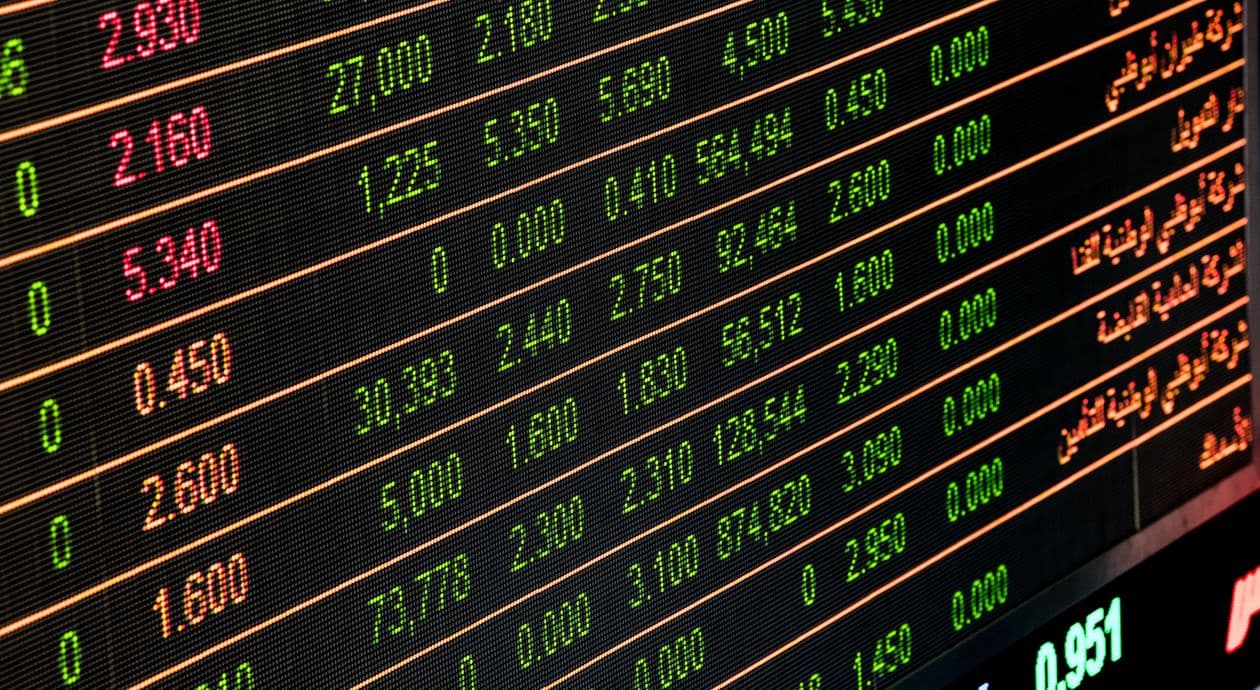
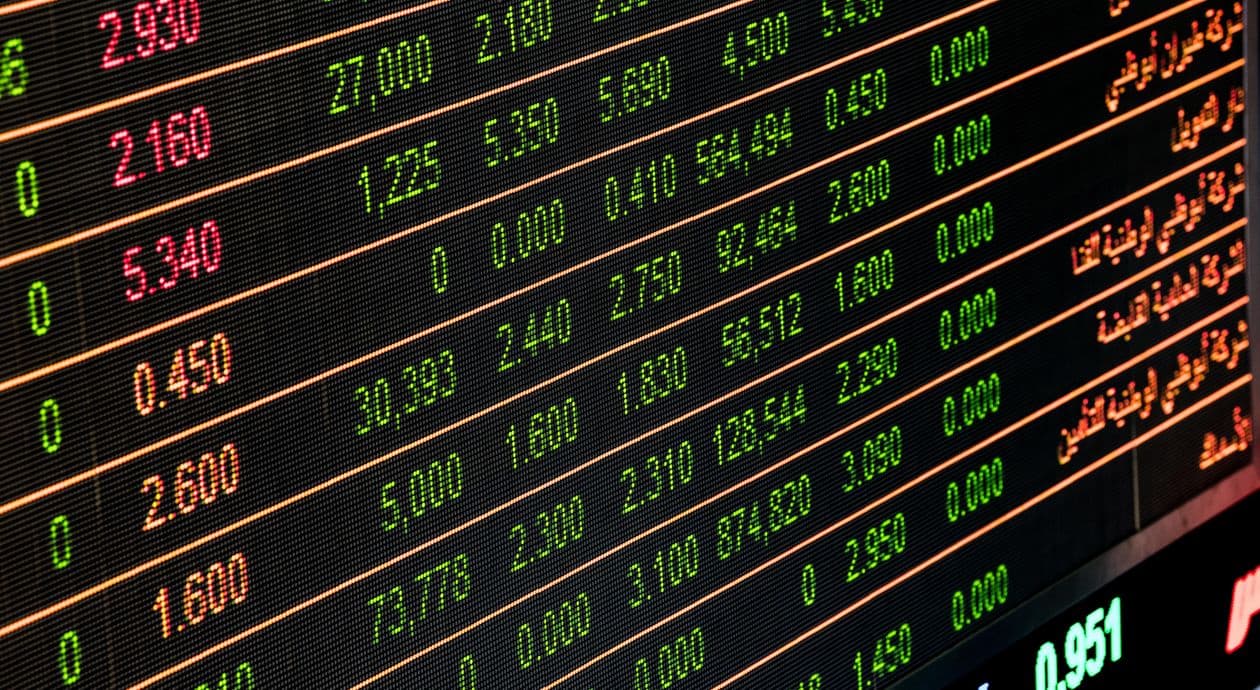
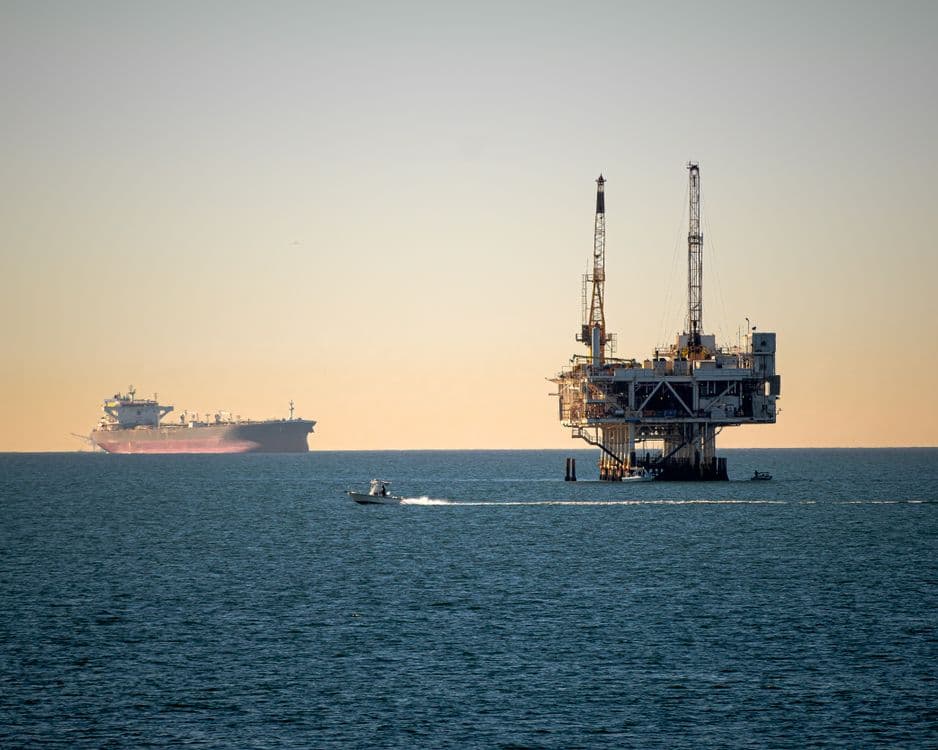
Oil prices fell hard at the start of the week after Washington and Tehran signalled that a deal to reopen the Strait of Hormuz may be within reach. By Tuesday, Brent crude had clawed back part of the drop, trading toward 81.8 dollars a barrel, as traders weighed how real the breakthrough is.
President Donald Trump said a new round of talks would begin Monday and described the proposal as the final opportunity for Tehran to reach a deal, adding that he expects the strait to reopen soon. Iran, for its part, denied that any direct talks with the US are underway — a reminder that this diplomacy is fragile.
The market reaction spread well beyond oil. Government bonds rallied as crude sank, with the yield on the UK 10-year gilt falling by around 20 basis points to 4.65 percent after an earlier ceasefire — a basis point is one hundredth of a percentage point. Stock markets in the US pushed toward record highs as cheaper energy eased inflation worries.
The strait had been at the centre of the recent Middle East conflict, with attacks on tankers in early July sending prices sharply higher before hopes of a settlement reversed the move.
Why it matters
Oil is the single most important price in the world economy. It feeds into petrol, diesel, plastics, fertiliser, air fares and the cost of shipping almost everything. When crude falls, inflation pressure eases across the board — and that changes what central banks do with interest rates.
The recent conflict pushed UK inflation expectations up just as the Bank of England was trying to bring price rises back to its 2 percent target. UK inflation stood at 2.6 percent in June. A sustained fall in oil makes rate cuts easier to justify; a reversal makes them harder.
The move also shows how much of the recent energy scare was about one narrow waterway. Markets are not pricing in more oil being produced — they are pricing in oil that already exists being able to reach buyers.
Explained simply
The Strait of Hormuz is the busiest doorway in the global oil trade — roughly a fifth of all seaborne oil squeezes through it. Block the doorway and prices jump; prop it open and they slide.
Think of the global oil market as a supermarket supplied through a handful of delivery entrances. The goods exist, the trucks exist — but if the main entrance is blocked, shelves empty and prices on those shelves rise, even though nothing was actually destroyed.
That is why diplomacy moves oil prices faster than drilling does. A deal that reopens the strait releases supply instantly, while a new oil field takes years to develop. Traders therefore trade the probability of the doorway opening, which is why prices whipsaw on every headline from Washington or Tehran.
The rebound toward 81.8 dollars on Tuesday is the market saying: we believe the door might open, but we have been disappointed before, so we will not price in peace until tankers are actually moving.
What it means for you
Cheaper crude reaches the forecourt with a lag of two to four weeks, so if the slide holds, UK petrol prices should drift lower through August — typically a few pence per litre for a move of this size. Diesel and home heating oil follow the same path.
Lower oil also cools inflation, which supports the case for the Bank of England to cut from the current 3.75 percent base rate later this year. That would eventually mean cheaper fixed-rate mortgages when deals are repriced, but also lower returns on easy-access savings accounts and Cash ISAs, so savers may want to lock fixed-term rates while they last.
Air fares and package holiday surcharges are also tied to fuel costs, so a calmer oil market helps late bookers this autumn.
The bigger picture
Energy markets have lived through a violent few months: conflict, tanker attacks, a revoked US authorisation for Iranian sales, then sudden hopes of a settlement. The lesson of past cycles is that geopolitical premiums deflate quickly once shipping resumes — but they return just as fast if talks collapse.
Watch three things: whether direct US-Iran talks are confirmed, tanker traffic through the strait, and the next UK inflation print. Together they will decide whether this slide in oil is a blip or the start of a lasting repricing.