What happened
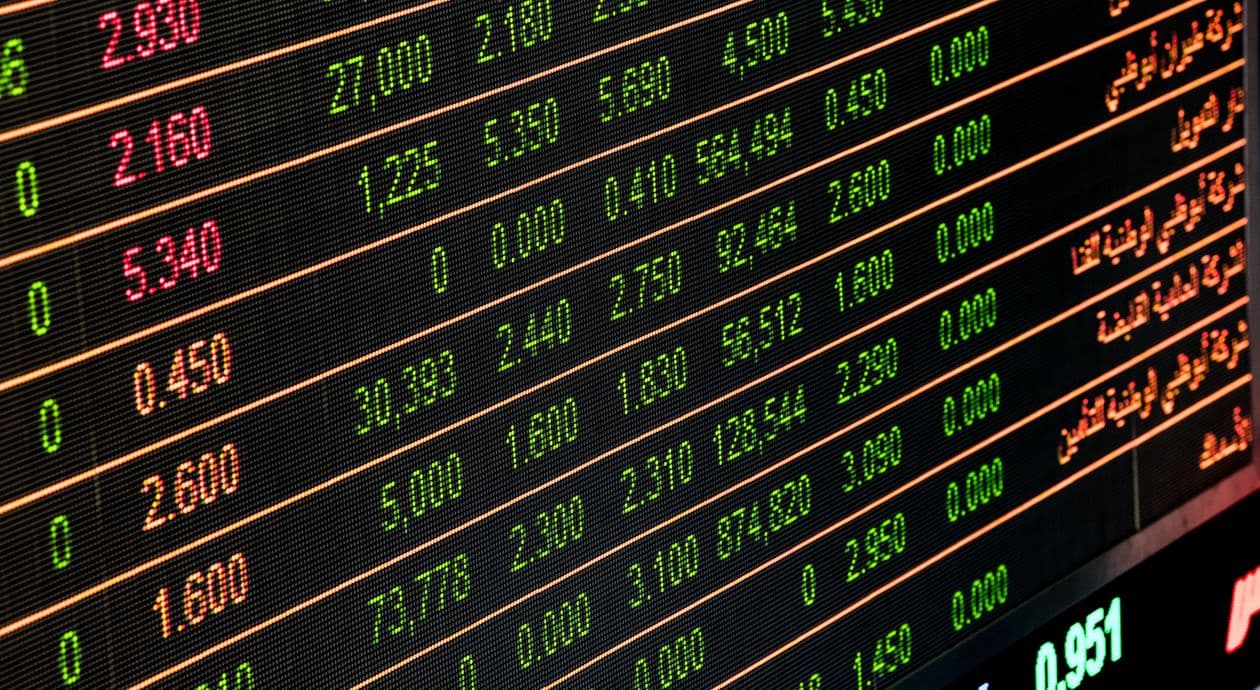
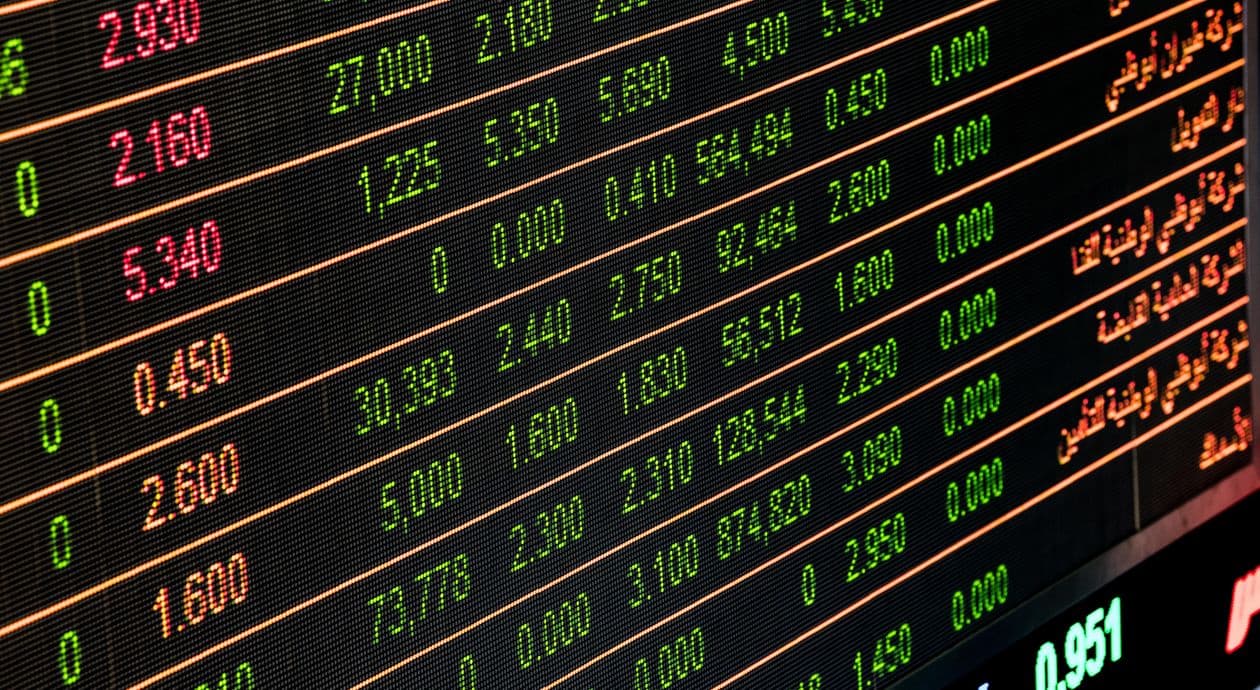
The FTSE 100 was set to open around 35 to 39 points higher on Tuesday 4 August, with futures pricing a positive start as results from HSBC gave investors a reason to buy British blue chips again after a soft start to the month.
HSBC, the largest bank in Europe by assets and the biggest single weight in the London index for much of the past decade, reported earnings that reassured investors about the health of its lending business across the UK and Asia. Bank results matter disproportionately in London because financials make up a large slice of the index.
The gains came despite pressure on the pharmaceutical sector, where AstraZeneca shares weighed on the index. Rising corporate profits and falling oil prices were enough to counter that drag, according to market reports.
The move in London followed a strong session on Wall Street, where the S&P 500 topped its June closing record, adding to the sense that global risk appetite is returning.
Why it matters
Earnings season is the health check of the corporate world. When the biggest bank on the index beats expectations, it says something not just about that bank but about the millions of households and businesses it lends to. Loans being repaid on time, deposits growing, trade finance flowing — these are signs the underlying economy is holding up.
It also matters for the direction of UK markets more broadly. The FTSE 100 has lagged American indices for years, and periods when bank earnings lead the index higher tend to be periods when value hunters return to British shares.
For the Bank of England, resilient bank profits are quietly reassuring: they mean the financial system can absorb the current level of interest rates without stress, giving policymakers freedom to move rates for economic reasons rather than financial stability ones.
Explained simply
A big bank reporting earnings is like a doctor reading the pulse of the whole economy — money flows through millions of its accounts, so its results tell you how healthy the patient really is.
Banks sit in the middle of everything. Wages land in their current accounts, mortgages go out of them, businesses borrow from them to pay suppliers. So when HSBC publishes its numbers, analysts are not only asking whether the bank made money — they are reading it as a giant survey of economic behaviour.
Three things matter most in bank results. First, net interest income — the gap between what a bank charges borrowers and what it pays savers, which is the engine of profit. Second, loan loss provisions — money set aside for loans that may go bad, which rises when banks smell trouble ahead. Third, deposit trends, which show whether customers are saving or spending.
When results reassure on all three, as they broadly did here, investors conclude the economy is neither overheating nor stalling — and they buy.
What it means for you
Bank profitability feeds directly into the rates you are offered. When banks are earning comfortably, competition for deposits stays alive: easy access savings accounts at major banks are currently paying in the region of 4 percent, and healthy bank margins make it less likely those rates get cut aggressively ahead of any Bank of England move.
On the borrowing side, confident banks price mortgages more keenly. If you are remortgaging this autumn, strong sector earnings are a mild tailwind for competitive fixed rate deals.
If you hold a FTSE 100 tracker in a pension or Stocks and Shares ISA, HSBC is one of your largest holdings whether you chose it or not — typically several percent of the index. Days like today are how those funds quietly grind higher.
The bigger picture
London has spent years fighting a perception problem: cheap valuations, few technology giants, and a steady trickle of companies moving listings to New York. A strong earnings season led by its flagship bank is exactly the kind of evidence London bulls need.
Watch the rest of the week: with BP also reporting and the market digesting its North Sea exit plan, the FTSE has plenty of tests before it can claim a genuine August recovery.